12 Home Repairs Contractors Say People Put Off Too Long


When it comes to home issues, minor problems can escalate into big—and expensive—problems if you don’t address them promptly. Maintaining home repairs is crucial to long-term home health. Once upon a time, I failed to recaulk my guest room shower. A clogged drain caused the basin to fill, and the kitchen ceiling began leaking quickly. Thousands of dollars of drywall damage and repairs later, the problem was solved. But if I had gotten ahead of it, it would have cost me a tube of caulk. What issues are the most common and easy to fix, according to experts? Here are 12 home repairs contractors say people put off too long.
1
Small Plumbing Leaks
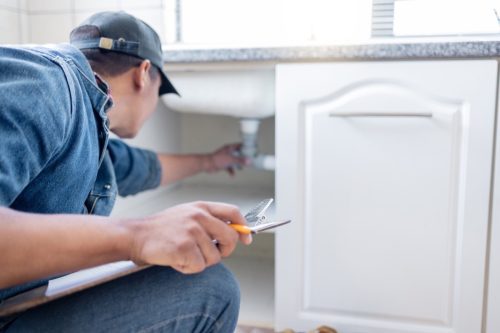
Ivan Volovenko, a New York City contractor and owner of Ivenko, Inc., maintains that small plumbing leaks are among the biggest culprits. “Small leaks under sinks, inside walls, or below floors are often ignored because there’s no visible damage at first. Over time, they cause rot, mold, and damaged subfloors. By the time stains appear, the damage is done,” he tells us.
RELATED: 11 Best New Walmart Home Finds Hitting Shelves This Week.
2
Interior Water Damage Behind Walls
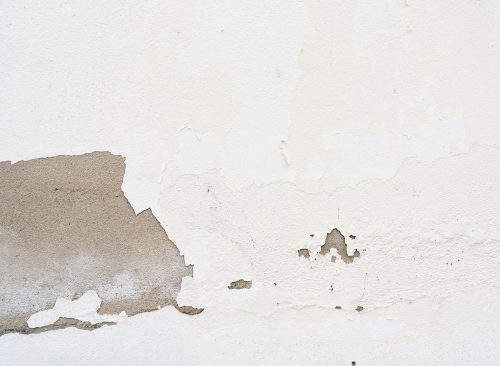
Interior water damage behind walls is another overlooked issue. “Discoloration, peeling paint, or a faint musty smell inside rooms are often ignored because the wall still looks intact,” says Volovenko. “Contractors frequently discover long-term moisture damage behind drywall caused by slow leaks or condensation. Waiting turns a simple localized repair into drywall removal, mold remediation, and finish restoration.”
3
Bathroom Waterproofing Failures
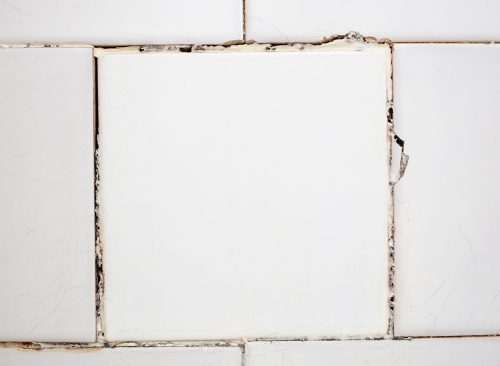
Like I learned the hard way, bathroom waterproofing failures are another common mishap. “Missing grout, loose tiles, or cracked caulking in bathrooms are signs of waterproofing failure. Ignoring them leads to moisture damage behind walls and under floors, could turn a minor repair into a major bathroom restoration,” says Volovenko.
4
Sagging or Damaged Subfloors
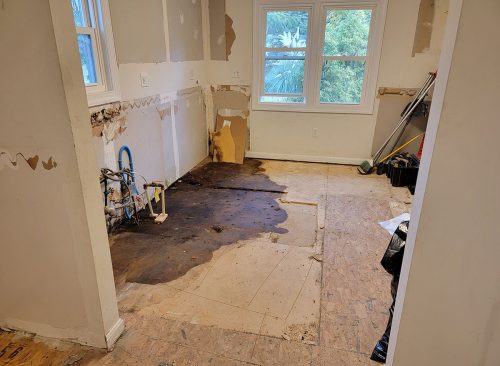
Sagging or damaged subfloors are another issue he commonly sees. “Uneven floors or squeaking are often dismissed as cosmetic issues. In reality, they could indicate structural problems,” says Volovenko.
5
Poorly Sealed Interior Windows
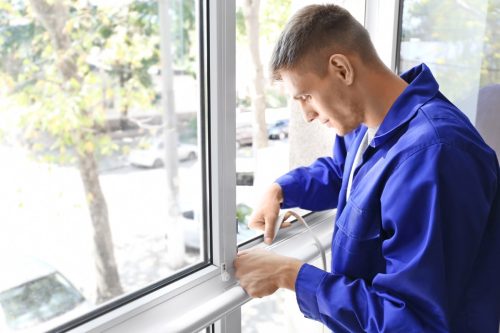
Another mistake? Poorly sealed interior windows. “Drafty windows or condensation inside the glass are commonly ignored. Over time, this leads to moisture damage around window frames and interior walls,” he says.
6
Waterproofing Around the Kitchen Countertop
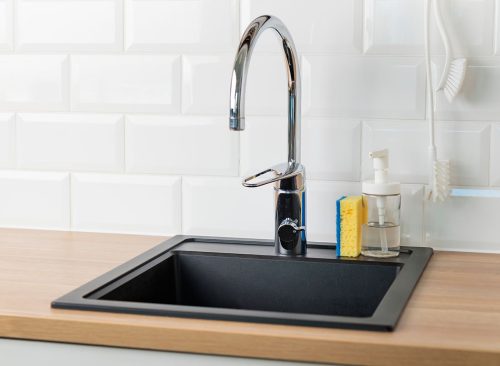
Waterproofing the kitchen countertop is often overlooked. “Leaks around the sink or backsplash usually go unnoticed inside cabinets. Delaying repairs can lead to swollen cabinetry, damaged finishes, and mold growth, which may require complete cabinet replacement,” says Volovenko.
7
Small Interior Fails
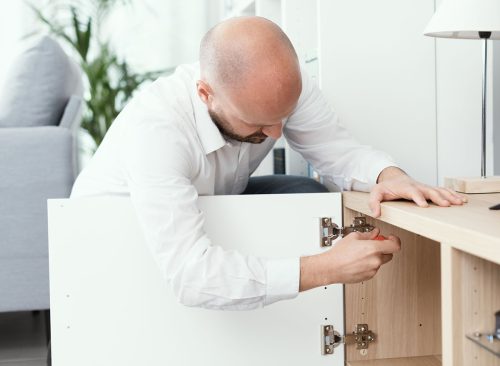
Small interior hardware failures are another issue. “Loose door hinges, failing cabinet hardware, or missing door stops are often ignored because they seem minor. In fact, a sagging door can begin scratching hardwood floors, leading to costly repairs such as re-sanding and refinishing large floor areas,” says Volovenko. “Worn cabinet hinges or drawer slides can cause doors and drawers to rub, chip, or damage cabinet fronts. Missing or damaged door stops allow doors to slam into walls, breaking drywall or plaster and damaging the door hardware itself.”
8
Failing to Address Plumbing Pressure Issues or Maintain the Hot Water Heater

Paul Dashevsky, Co-CEO at GreatBuildz.com, an online platform that matches homeowners with highly vetted, pre-screened general contractors for home renovation, repair, and improvement projects, notes that many people neglect to address plumbing system pressure issues and upgrade the water heater. “An old water heater tends to accumulate sediment, so the water pipes could decay with time, leading to leakage and reduced efficiency. You may also be affected by damaged walls or floors caused by rusted pipe fittings, combined with high water pressure in your plumbing system,” he says. “Upgrading an old water heater system before it completely fails is likely to range from $1,500 to $2,500. Again, a costly proposition for many, which causes them to put it off. However, if the problem progresses from leakage to flood levels, repairs could exceed $10,000.”
9
Not Cleaning the Roof and Gutters
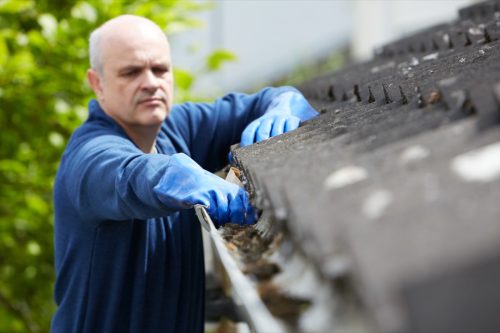
Cleaning the roof and gutters is crucial, says Dashevsky. “Asphalt roofing tends to show its wear and tear after many years. Especially areas with flashing, valleys, and vent boots in particular. Additionally, your gutters might begin to drop or clog with debris and loose screws. Customers often delay this because it may cost a couple of thousand dollars, but if you neglect to repair the cracked areas on top and maintain the flashing, you can face attic mold and structural issues down the road,” he says.
10
Not Replacing and Upgrading Heating and Cooling Units
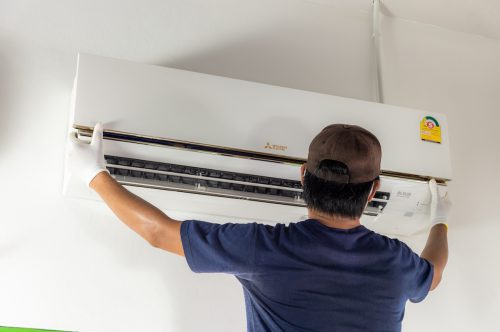
Failing to replace and upgrade existing heating and cooling units is another mistake. “Overall, regarding life expectancy, most air conditioning systems last for many years. But as time progresses, efficiency declines: dust collects in the pipes, and motors must work harder,” says Dashevsky. “Doing a comprehensive maintenance to lengthen the lifespan and even retain energy efficiency (and cost savings in kind) can be expensive – between $500 to $1,000 – which is a deterrent for many. But, this is better than waiting for these units to completely malfunction, which would likely require an immediate replacement costing between $8,000 to $15,000.”
11
Making Small Repairs Instead of Updating a Kitchen
Justin Caballero, President at Revive Design and Renovation, headquartered in Tampa Bay, says that many people make the mistake of doing small kitchen repairs instead of updating an aging kitchen. “Many homeowners keep repairing outdated kitchens piece by piece, but at a certain point it becomes more expensive than planning a strategic renovation. Layout issues, failing cabinets, and old plumbing usually indicate it is time to address the space holistically,” he says.
12
Not Updating Your Electrical System
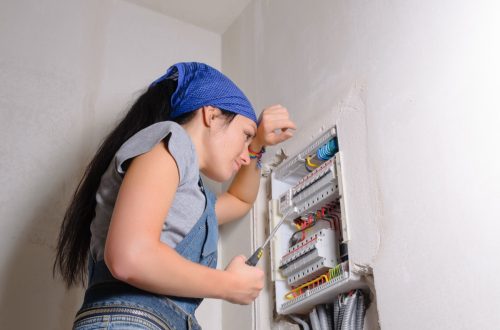
Outdated electrical systems are another issue. “Just because an electrical system still works does not mean it is safe. Older panels and wiring were not designed for today’s electrical loads, and we often see homeowners forced into upgrades instead of planning them proactively,” says Caballero.