5 Most Common Car Problems Caused by Winter Weather


Even if you’re driving a very reliable car, the winter months can become a trickier time for auto issues. Those frigid temperatures can cause problems literally out of thin, cold air. But while car chaos might typically mean a costly visit to the mechanic, many of these hiccups can be solved on the spot if you know what to look for. Read on for the most common car problems caused by winter weather and what you can do about them.
RELATED: Mechanics Reveal the #1 Worst Driving Mistake That Destroys Your Car.
1. Battery failure

Even if your engine is in tip-top shape, you can’t get very far without a functioning battery. Unfortunately, frigid conditions tend to bring about a spike in motorists calling for help with dead batteries, according to AAA.
While you can’t change the weather, the roadside assistance agency recommends being proactive and checking your battery periodically, especially if it’s within the three- to five-year window when its lifespan typically ends.
Otherwise, the easiest solution is to try to park your car in a garage or invest in a block heater to avoid getting frozen out. Lastly, try to avoid parking with your front end facing the wind, as snow blown into an engine can create other temperature issues.
2. Low tire pressure

As lower temperatures settle in, those pumped-up tires will also likely begin to deflate as the molecules inside slow down and begin to take up less space. In fact, you can expect there to be one to two pounds of pressure drop within your wheels for every 10 degrees the temperature drops, according to AAA.
Similar to your battery, the best thing to do in this case is to regularly check your tires—especially when new, frigid weather moves in. This can help prevent a blowout or reduced driving ability.
3. Thickened engine and transmission fluids

Just like the air in your tires, the liquids that are essential to making your vehicle run are also affected by cold, becoming more viscous as the temperature drops. Unfortunately, this is one instance where running your car may cause lasting damage, as increased friction in your vehicle’s transmission can cause wear and tear.
If you live in an area where colder weather is a given, you might want to consider a cold-temperature additive to your vehicle’s fluids to ensure they’ll flow properly when needed. Or, you could get your transmission fluid flushed and replaced to make sure it’s up to snuff for the season.
RELATED: Never Say These 4 Things at a Car Dealership: “They’ll Cost You Thousands”
4. Fuel-line freezing
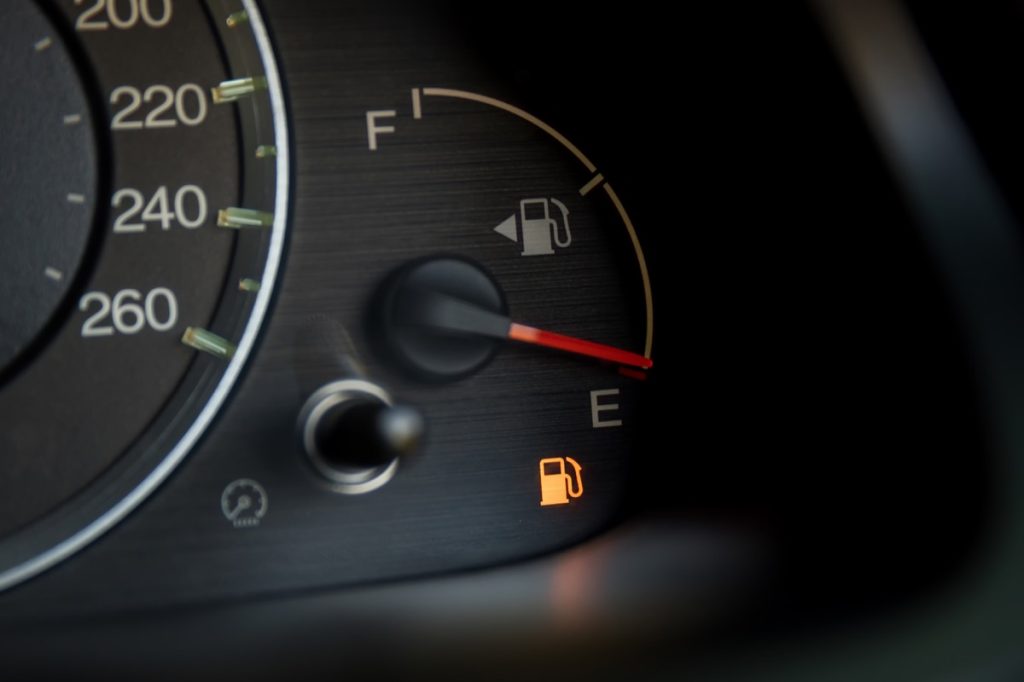
Even though gasoline itself only freezes in the most frigid of conditions, it doesn’t mean you can’t experience an issue with your fuel line when the temperature drops. Typically, this happens when moisture that has built up freezes and prevents fuel intake to keep the engine running, according to AAA.
If you can’t get your car into a garage for overnight parking, one of the easiest ways to avoid this issue is to keep your tank as full as possible. Typically, this means at 50 percent or more during the winter to avoid any unpleasant surprises on that next frigid morning.
5. Windshield damage

Besides gumming up its inner workings, cold weather can also do a number on the exterior of your car. Frigid temperatures can make your windshields more brittle and increase the likelihood of chips or cracks, according to AAA.
Hoping to avoid a trip to the auto shop? Resist the temptation to dump hot or boiling water on your frozen windshield, which can cause instant cracking. In fact, even running a super-hot mega defroster can lead to the same issue, according to AAA.
Instead, use alcohol sprays or other ice removal products (along with cold-temperature-ready windshield wiper fluid) to deglaze your windshield.