Doctors Sound Alarm on Weight-Loss Drugs and Death Risk

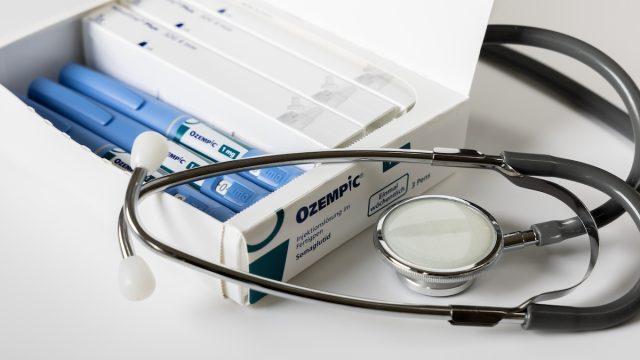
One of the most popular new drug classes in America—GLP-1 medications such as Ozempic, Wegovy, and Zepbound—has helped a reported 12 percent of Americans lose weight or manage their type 2 diabetes. However, the benefits of these game-changing medications don’t stop there.
Besides aiding in fat loss and stabilizing blood sugar, they can also improve heart, kidney, liver, and brain health, enhance sleep, and reduce inflammation and chronic joint pain. Taken together, these advantages can amount to a longer lifespan.
However, GLP-1s also come with certain risks. The most common side effects are gastrointestinal: Some patients report experiencing nausea, vomiting, diarrhea, and constipation. According to Harvard Health Publishing, there are also a handful of “less common but more serious side effects” associated with the use of GLP-1 agonists. These include pancreatitis, gastroparesis, bowel obstruction, and gallstone problems.
Adding to that list, a new study is now warning of two additional “serious concerns” that doctors have about the effects of these drugs—and both could increase one’s risk of mortality.
RELATED: Doctors Warn That Drugs Like Ozempic Are Making You “Skinny Fat.”
Researchers are concerned about lean muscle loss.
Any time a person suddenly loses weight, they are also at risk of losing lean muscle mass. Not only can this affect strength, mobility, and balance, but it can also affect the immune system, metabolism, and more.
Since GLP-1 drugs can trigger rapid weight loss, many people taking them report muscle loss and reduced muscle function. In fact, between 40 and 50 percent of the total weight loss associated with GLP-1 drugs may be the result of muscle loss.
“Some patients literally told me that they felt that they were losing muscle or muscle was slipping away from them while they were on these medications,” researcher Zhenqi Liu, MD, Professor of Medicine and James M. Moss Professor of Diabetes at the University of Virginia School of Medicine and former chief of UVA Health’s Division of Endocrinology and Metabolism, said via the study’s press release.
“This is a serious concern. Muscle, especially axial muscle, is essential for posture, physical function, and overall well-being,” Liu continued. “Losing lean body mass can increase the risk of cardiovascular disease, all-cause mortality and diminished quality of life. We need to make sure that patients prescribed these medications aren’t already at risk for malnutrition or low muscle mass.”
RELATED: Pharmacist Says This One Side Effect Makes the Most People Quit Ozempic and Mounjaro.
They also warn that cardiorespiratory fitness may not improve.
While studying the long-term effects of GLP-1 drugs, the team flagged another concern, this time regarding the medicines’ effects on cardiorespiratory fitness (CRF or VO2max). They explain that while a person taking GLP-1 drugs will almost certainly see their weight decrease, they will not necessarily experience improved markers of this particular health metric.
“Cardiorespiratory fitness is a potent predictor of all-cause and cardiovascular mortality risk across a range of populations, including obesity, diabetes, and heart failure,” said Siddhartha S. Angadi, PhD, a cardiovascular exercise physiologist with UVA’s Department of Kinesiology.
“In a recent study by our group that examined mortality outcomes from almost 400,000 individuals across the world, we found that CRF was far superior to overweight or obesity status for predicting the risk of death. In fact, once CRF was factored in, body weight failed to predict the risk of mortality. This is why it’s so important to understand the effects of this new class of drugs on it,” he added.
How their concerns are interconnected:
Measuring a person’s cardiorespiratory fitness reveals how well the body can use oxygen during exercise, offering clues into the functionality of the heart, lungs, muscles, and blood vessels. It is a strong predictor of both cardiovascular and all-cause mortality.
People living with obesity often have low levels of cardiorespiratory fitness, due to high levels of fat and reduced muscle mass, a condition known as sarcopenic obesity. Though the researchers note that GLP-1 drugs improve several measures of heart function, CRF did not improve since muscle loss further decreased in many of the patients.
RELATED: Ozempic and Wegovy May Have Landed 25,000 People in the ER—Here’s the Scary Reason Why.
Here’s what to do if you’re taking GLP-1s.
To prevent muscle loss and its effects, experts say it’s important to incorporate strength-building exercises into your GLP-1 plan. Whether you opt for dumbbells, kettlebells, gym machines, or resistance bands, you should aim to target all of your various muscle groups at least two times per week.
“This is an area of active research, and we are hopeful that better solutions are coming soon,” Liu said. “But for now, it is important that patients prescribed GLP-1 drugs have conversations with their healthcare providers about strategies to preserve muscle mass.”
“The American Diabetes Association recommends screening for malnutrition and low muscle mass risk before starting these medications and promoting adequate protein intake and regular exercise throughout treatment,” he concluded.
- Source: https://jamanetwork.com/journals/jama/article-abstract/2819949
- Source: https://www.health.harvard.edu/staying-healthy/glp-1-diabetes-and-weight-loss-drug-side-effects-ozempic-face-and-more
- Source: https://academic.oup.com/jcem/advance-article-abstract/doi/10.1210/clinem/dgaf335/8158597?redirectedFrom=fulltext