8 Foods That Raise Your Diabetes Risk the Most, Doctors Warn


Diabetes, a condition in which your body’s blood sugar (or glucose) is too high, currently affects 11 percent of the U.S. population, increasing the risk of heart attack, stroke, coronary artery disease, and atherosclerosis. As Cleveland Clinic explains, “It develops when your pancreas doesn’t make enough insulin or any at all, or when your body isn’t responding to the effects of insulin properly.”
Though diabetes can be caused by genetics or certain medications, it can also be brought on by lack of physical activity or obesity—which makes the foods you eat extremely important.
“Foods that raise the risk of diabetes the most tend to be sugary, ultra-processed, low in fiber, and high in refined carbohydrates or unhealthy fats,” Shikha Broker, MD, a physician at Mochi Health, tells Best Life. “In short, they are foods that have a high glycemic index (GI), which is a measure of how quickly a food will cause your blood sugar to rise.”
“When blood sugar remains elevated for a long period of time, it can cause your body to become less responsive to insulin, which in turn may lead to insulin resistance, aka type 2 diabetes,” she adds.
Ahead, hear from Broker and other experts about the worst offenders when it comes to foods that raise your diabetes risk—some of which may surprise you.
RELATED: This Is the No. 1 Diabetes Symptom People Ignore, Doctors Say.
1
French fries
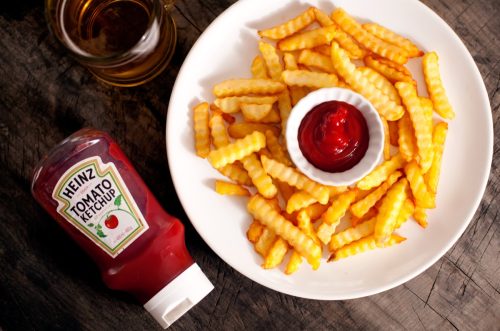
“Not all forms of potatoes are created equal when it comes to diabetes,” says Avery Zenker, RD, a registered dietitian at MyHealthTeam.
A study published this month in the journal BMJ found that consuming three or more servings per week of French fries was associated with a 20 percent higher risk of type 2 diabetes. The same was not true for baked, boiled, or mashed potatoes.
“French fries tend to be high in fat, carbohydrates, and sodium, while being low in fiber, protein, and micronutrients,” Zenker notes. “This is a perfect storm for metabolic health issues, like type 2 diabetes and factors that contribute to its risk, like obesity, inflammation, and disrupted gut health.”
“Additives like dextrose, deep-frying in repeatedly heated and cooled industrial oils, and the formation of compounds like acrylamide all contribute to oxidative stress and insulin resistance over time,” she adds.
Potatoes in their natural form, however, are a good source of vitamin C, potassium, and vitamin B6, Julia Zumpano, a registered dietitian at Cleveland Clinic, told The Washington Post. And if you leave the skin on, they have a decent amount of fiber.
2
White rice
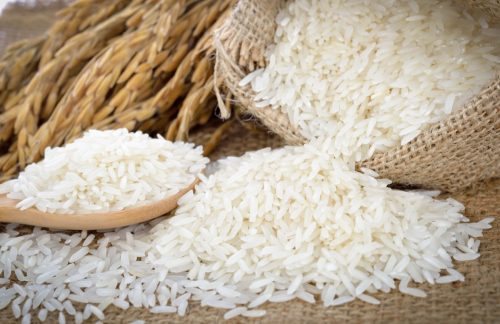
White rice is the base of so many types of cuisine, but to lower your diabetes risk, you’ll want to consider swapping it for brown rice.
Along with other refined carbohydrates like white bread, pastries, and bagels, Zenker refers to white rice as a “naked carb.”
“Naked carbs are carbohydrate sources that lack other nutritional qualities that help slow the glucose response, like fiber and protein,” she explains. “They’re absorbed quickly and broken down into sugar, leading to high blood sugar spikes and more abrupt drops.”
“This is particularly harmful when paired with a sedentary lifestyle, since exercise can significantly improve the glucose response after eating carbohydrates,” she continues. “Frequent consumption of refined carbohydrates contributes to insulin resistance over time.”
RELATED: Eating These 7 Foods Can Lower Your Blood Sugar, Doctors Say.
3
Coffee drinks

You probably know that soda and fruit juices are packed with sugar. But a sugar-loaded beverage that tends to sneak by undetected is one of the many fun coffee concoctions available today.
For example, Eat This, Not That! recently unveiled the sugar content of many popular coffee beverages. A Starbucks Iced Peppermint White Chocolate Mocha contains 66 grams of sugar in a medium size. Even more startling, a medium-sized Dunkin’ Frozen Coffee with Mocha Swirl has 129 grams of sugar!
To put this in perspective, the American Heart Association (AHA) recommends that men consume no more than 36 grams of sugar per day and women no more than 25 grams.
In general, sugar-sweetened beverages (SSBs) are the category from which Americans consume the most sugar, and they’re the most closely tied to diabetes risk.
“A large meta-analysis of prospective cohort studies found that each additional 250 mL (about 8 oz) daily serving of SSBs increased diabetes risk by 21 percent,” Broker points out. “This link remained significant even after adjusting for body mass index, meaning the effect isn’t explained by weight gain alone.”
“A 2025 review in Nature Medicine also reaffirmed that habitual SSB consumption contributes directly to obesity and metabolic diseases, including type 2 diabetes,” she adds.
4
Granola bars

For decades, granola bars have been marketed as a healthy, on-the-go snack or breakfast food. But in most cases, they have a high GI and are made with added sugars and refined grains, says Broker.
“Without enough fiber or protein to balance the carbs and sugar, they can still lead to the same blood sugar swings as more obvious food snacks,” she notes.
Instead, she suggests making your own granola bars at home or looking for those without additives that are made with whole grains, nuts, and seeds.
5
Cereal

Like granola bars, most commercially produced cereals on grocery store shelves are far from the healthy foods they claim to be.
“Even cereals that look healthy and are only marketed as such more often than not contain lots of added sugar and very little fiber,” Broker explains. “A bowl of cereal in the morning can cause a sharp rise in blood sugar, followed by a sharp drop, which can lead to more hunger and snacking shortly after.”
RELATED: Eating This Sweet Treat Daily Can Lower Your Diabetes Risk by 27%, New Research Shows.
6
Bacon and sausage

Hot dogs, cold cuts, bacon, sausages, and ham are all considered processed meats—and they’re all associated with a significantly increased risk of developing diabetes and obesity.
“Processed meats contain high amounts of saturated fat, sodium, preservatives (such as nitrates/nitrites), and heme iron,” explains Zenker. “These factors can contribute to diabetes risk by increasing inflammation, worsening insulin resistance, impairing pancreatic beta cell function (the cells that produce insulin), and contributing to weight gain.”
To this point, Broker points to a 2017 study published in the European Journal of Epidemiology that found that consuming 50 grams per day of processed meat was linked to a 37 percent increased risk of type 2 diabetes.
“The authors concluded that the relationship appears dose-dependent, meaning the more you eat, the greater the risk,” Zenker notes.
For context, one hot dog is between 45 and 60 grams, while 50 grams of bacon is just two or three slices.
7
Steak

There’s nothing quite like sinking your teeth into a juicy steak, but no matter how delicious, red meat should be majorly limited (if not avoided altogether) in a healthy diet.
Like processed meats, red meat in the form of beef, pork, or lamb tends to be high in saturated fat and heme iron.
“One reason saturated fat is a concern is that it contributes to excess fat in the liver, which is a common condition that increases diabetes risk,” Zenker explains. “Excess saturated fat intake is also linked to increased insulin resistance, inflammation, and fat gain, particularly visceral fat.”
A 2023 study published in The American Journal of Clinical Nutrition found that eating just two servings of red meat per week increases diabetes risk. Moreover, the researchers concluded that those who ate the most red meat had a 62 percent higher risk of developing type 2 diabetes compared to those who ate the least.
8
Fried chicken

French fries are not an exception: All deep-fried foods, including fried chicken, donuts, and chips, pose a diabetes risk.
“Data suggests that eating fried foods as little as once per week increased the risk of developing type 2 diabetes,” Zenker tells us. “Consuming fried foods 4-6 times weekly was linked to a 39 percent increased risk, and 7 times or more weekly was linked to a 55 percent increased risk of diabetes.”
Why is this the case? She explains, “Deep-fried foods increase diabetes risk because the frying process can create harmful compounds like advanced glycation end products (AGEs) and trans fats, which promote inflammation and impair insulin sensitivity. They’re also calorie-dense and often replace more nutrient-rich foods, leading to weight gain and metabolic issues that accelerate insulin resistance.”
“Deep-fried foods also typically lack fiber, which helps reduce blood sugar impact and improves gut microbiome health in ways that help reduce inflammation and support glucose control,” she adds.
- Source: Cleveland Clinic: Diabetes
- Source: BMJ: Total and specific potato intake and risk of type 2 diabetes
- Source: AHA: How Much Sugar Is Too Much?
- Source: BMJ: Consumption of sugar sweetened beverages, artificially sweetened beverages, and fruit juice and incidence of type 2 diabetes
- Source: Nature Medicine: Burdens of type 2 diabetes and cardiovascular disease attributable to sugar-sweetened beverages in 184 countries
- Source: European Journal of Epidemiology: Food groups and risk of type 2 diabetes mellitus
- Source: The American Journal of Clinical Nutrition: Red meat intake and risk of type 2 diabetes in a prospective cohort study of United States females and males
- Source: Harvard T.H. Chan School of Public Health: Eating fried foods tied to increased risk of diabetes, heart disease