4 Trees and Shrubs You Should Not Prune Until Spring


Garden work certainly slows down once autumn hits, but it’s not over entirely. Besides cleaning up your yard of debris and moving any sensitive plants indoors for the season, you’ll want to prune certain plants before winter to prepare them for their next bloom. However, you shouldn’t use your shears on just anything you have planted in your yard if you want them looking their best when temperatures start rising again. Before you make a major winter mistake, these are the trees and shrubs you should not prune until spring.
RELATED: 3 Plants You Should Prune Before Winter Begins.
1. Lilac
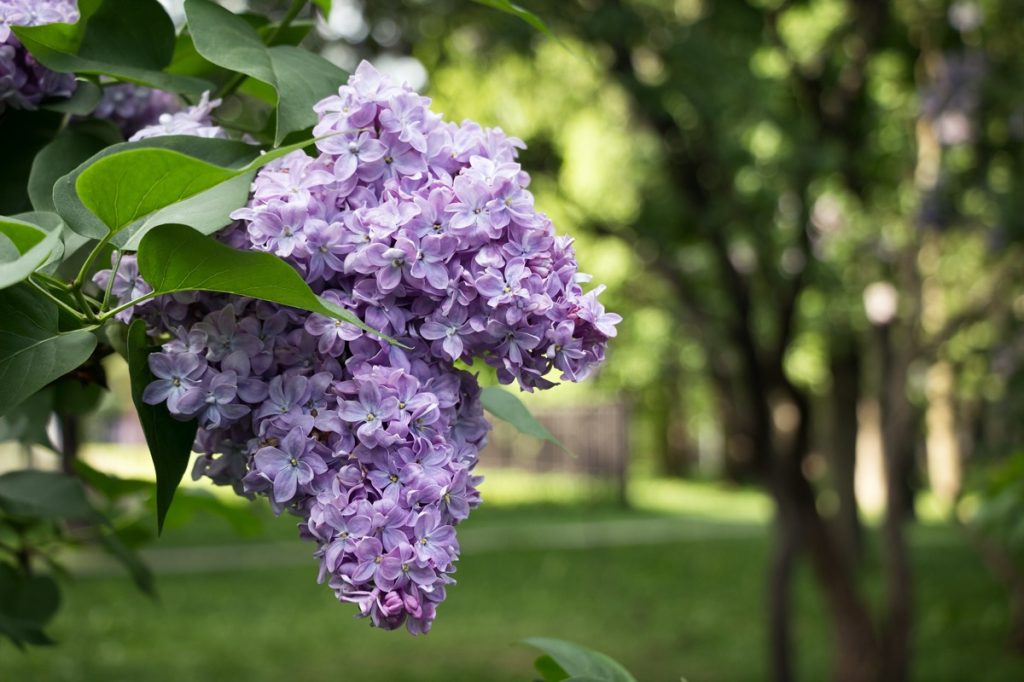
The first sign of these pretty purple flowers blooming is one of the best reminders that spring has arrived. However, you might not have as many colorful flowers in your garden if you start clipping them during autumn or winter.
That’s because, as a spring-flowering shrub, lilac bushes actually start showing their buds late during the summer or early fall, according to BobVilla.com. This makes it very easy to mistake a fully functioning branch as dead wood and cut it off, resulting in many fewer blooms come springtime. In this case, it’s best to wait until everything has begun flowering to remove any excess with your shears.
2. Forsythia
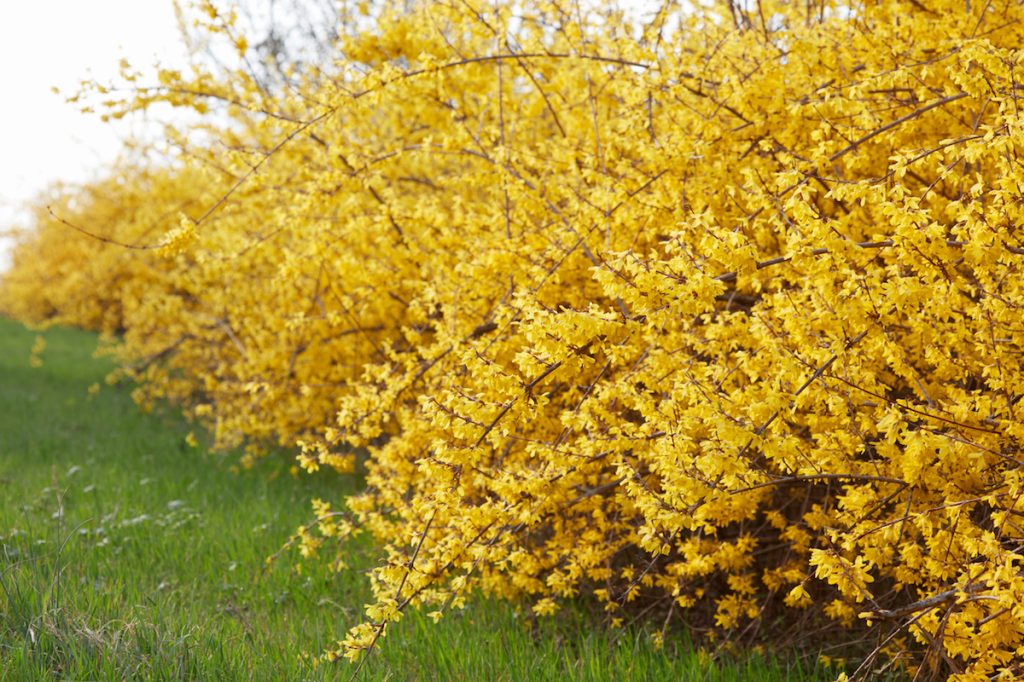
Much like lilacs, forsythia bushes also begin preparing for next year’s bloom sometime before mid-autumn. According to HGTV, the species produces buds on old wood, which means a seemingly defunct branch could be carrying plenty of potential flowers.
Also similar to lilacs, you should plan to prune your forsythia bushes until after the season’s flowers have already faded. This will make it easier to see which parts have actually stopped growing, not to mention reduce the likelihood of missing out on all those brilliant yellow blooms.
RELATED: 4 Common Yard Mistakes That Can Kill Your Lawn Over Winter.
3. Viburnum
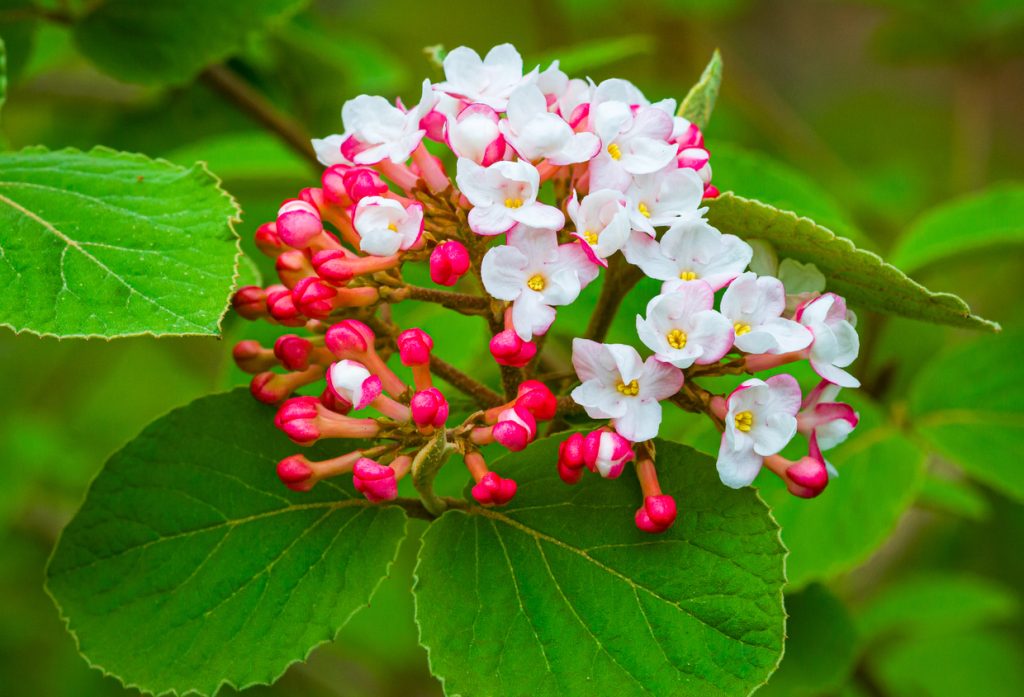
Many gardeners choose to plant viburnum shrubs for their gorgeous early spring and summer flowers that give way to brightly colored berries later in the season, and stark foliage in the fall. However, if you’re not careful, you might miss out on this spectacular display.
Some varieties of viburnum are similar to lilacs and forsythia in that they form buds on old wood, according to Gardening Chores. This includes the popular Korean spice viburnum (Viburnum carlesii), doublefile viburnum (V. plicatum f. tomentosum), and snowball viburnum (V. opulus ‘Roseum’). Instead of ruining their appearance next year, mark your calendars to prune them during late summer.
4. Red- and Yellow-Twig Dogwood
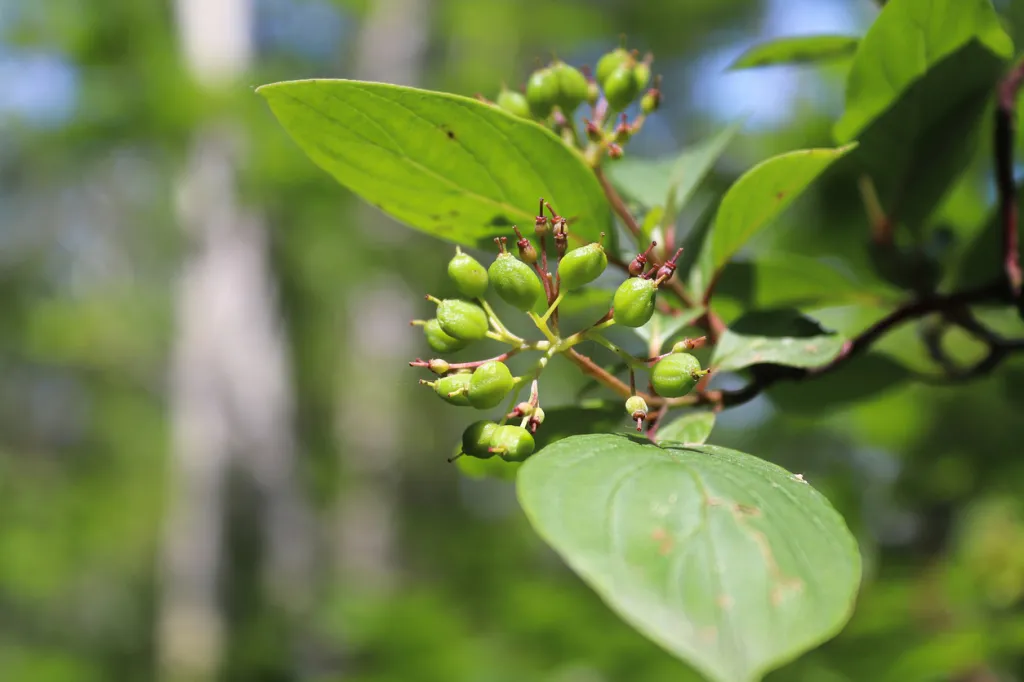
Dogwood trees are beloved for their hardy, adaptable nature and their brilliant flowers that arrive as early spring blossoms. However, depending on what species you’re dealing with, you might want to hold off on clipping their branches over the fall or winter.
According to HGTV, red-twig and yellow-twig dogwoods are best left uncut until their dazzling spring flowers have already faded. Ultimately, you can keep them looking their most colorful by ensuring you remove any branches that are more than three years old.