5 Plants You Should Move Indoors Before Winter


There’s plenty of work that goes into gardening ahead of the arrival of cold weather, from pruning your perennials to overseeding your lawn. But you’ll also want to think about which of your outdoor plants won’t be able to survive freezing temperatures. Instead of sacrificing your precious plantings, you can bring them into comfortable conditions for the next few months. Here are a few plants experts say you should move indoors before winter.
RELATED: 3 Plants You Should Prune Before Winter Begins.
1. Herbs
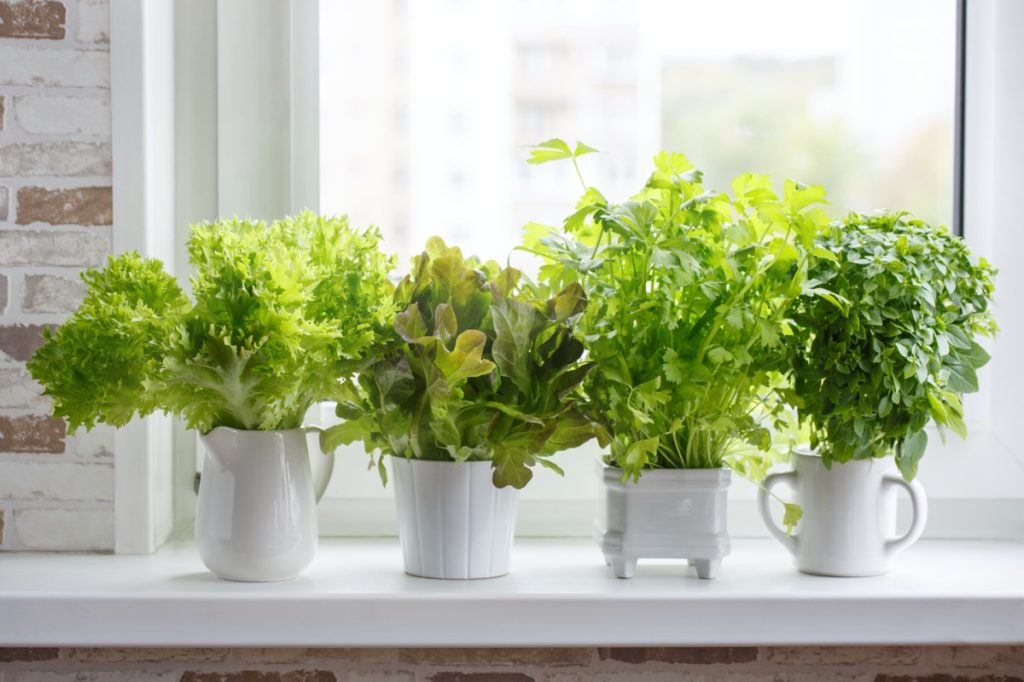
Having an herb garden you can pluck from all spring, summer, and autumn long is a great way to save money and ensure you’re never caught without that crucial sprig of basil you need for the recipe you’re whipping up. However, you might want to consider bringing your operation inside if you don’t want to replace them come spring.
Even if you don’t live in an area with a particularly harsh winter climate, delicate herbs like basil, oregano, sage, rosemary, thyme, and lavender will be more likely to survive the season if they’re not battling the elements—especially if a surprise frost or hard freeze comes through.
According to Gardenary, it’s best to dig up the items using a trowel, check them for any pests, and place them in pots that are large enough to accommodate their roots. Then, give them a solid watering and place them somewhere with plenty of light, such as a kitchen windowsill. This way, you’ll still be able to get the benefits of having your essential ingredients at hand without having to gamble with the weather.
2. Citrus Trees
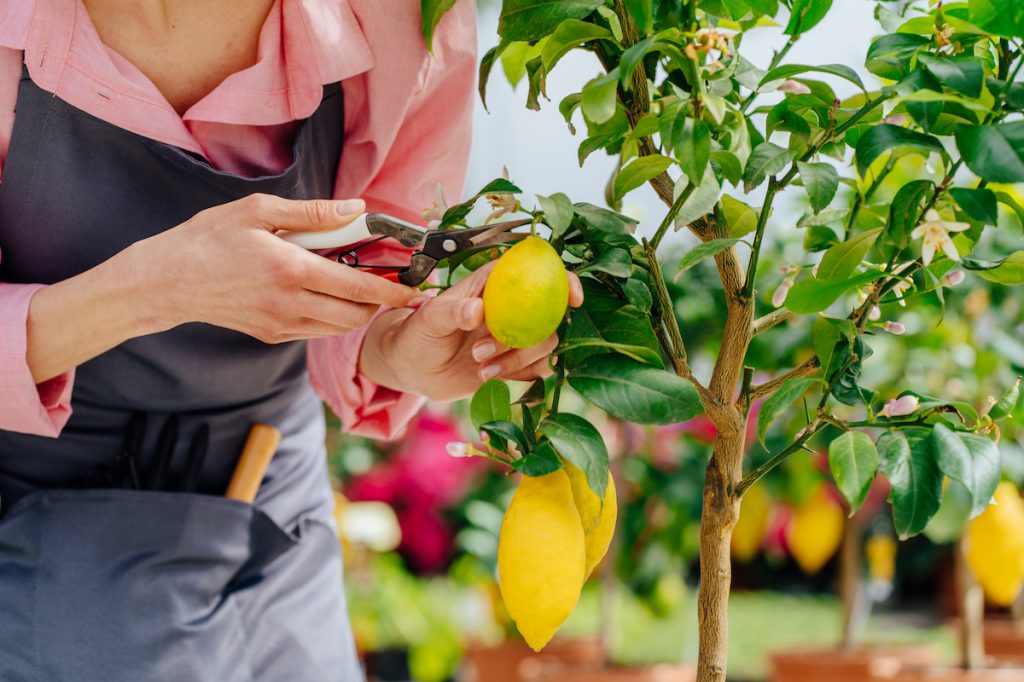
Even at the deepest latitudes where they can typically survive outdoors year-round, bringing your citrus trees in from the cold can be one of the only ways to ensure they’ll see another harvest. The best way to do this involves moving your orange, lemon, or lime tree into a shaded area once fall starts, or at least two weeks before you’re planning on taking it indoors, according to Four Winds Growers.
Once it’s had time to acclimate, check it for any pests and remove them with soap and water before plopping your plant down inside in as bright a spot as possible (ideally, a south-facing window) away from drafts or harsh heaters.
It’s also best to place their pot on top of a tray filled with gravel and water to help provide the higher humidity they crave. Once spring arrives, you can reverse the process and slowly move it back outdoors.
RELATED: 11 Best Deer-Resistant Plants to Protect Your Yard This Fall.
3. Begonias and Geraniums
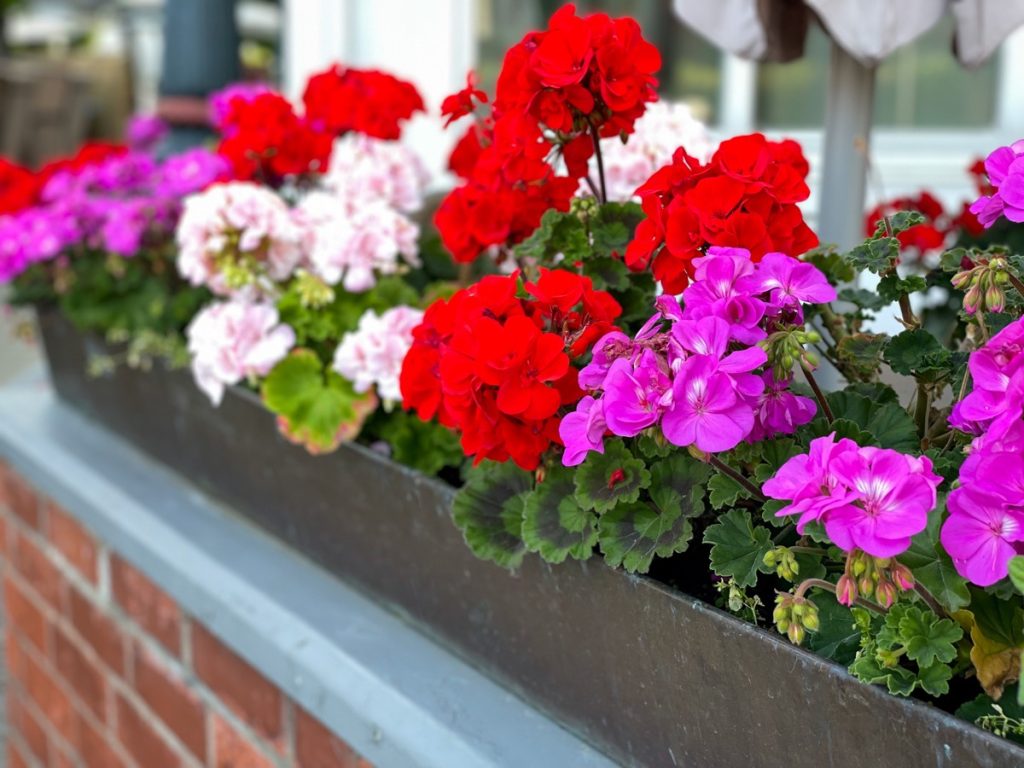
Thanks to their bright, beautiful flowers, these perennial plants are popular picks for porches and gardens everywhere. But unless you want to replace them each spring, you’ll want to consider giving them a winter away from the chilly outdoor conditions that can damage or kill them.
Of course, this process is easiest if you already have your geraniums and begonias set in separate planters you place around your yard. But if not, simply dig up and transfer the flowers ahead of the first frost of the season, check them for pests or infestations, and trim the stems back by about one-third or one-half before taking them inside, per The Spruce.
Once they’re indoors, it’s best to find a place where they can get plenty of sunlight and ideally stay around 60 to 65 degrees Fahrenheit. Once winter has passed, put the plants back outdoors away from any direct sunlight to help them harden before putting them back where you’d like them.
4. Succulents and Cacti
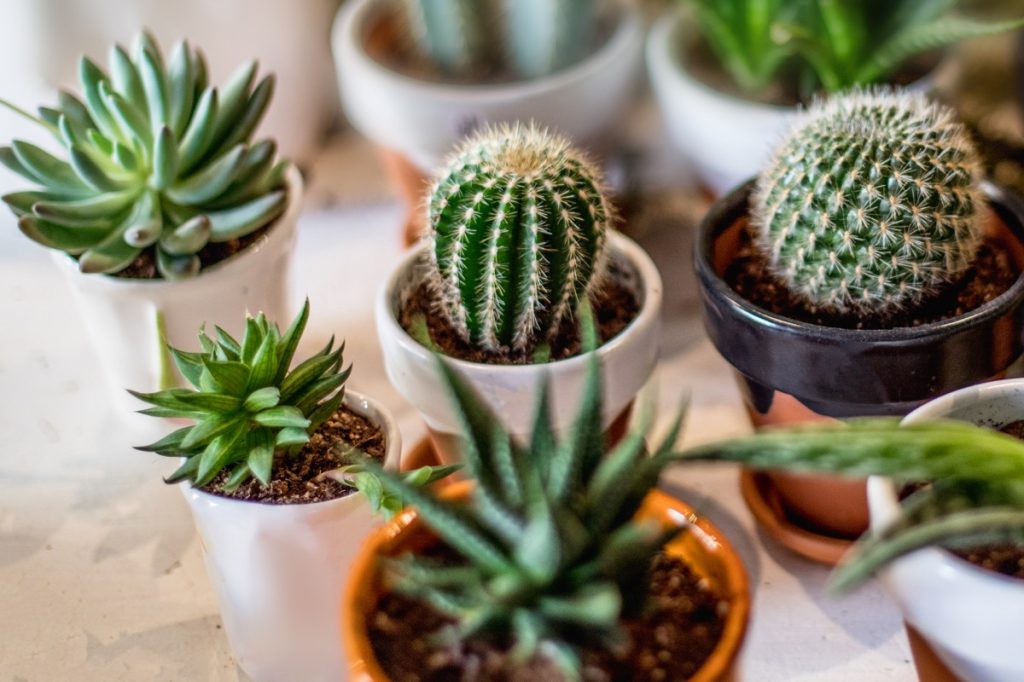
While there are a few of these plants that are native to northern latitudes, the vast majority are susceptible to extreme cold. Bringing them inside involves holding back from watering for a bit before checking them for pests and infections, and removing any fallen leaves or dead material to help ensure their soil can stay dry, according to Plath Hill Nursery.
From there, what you need to do will depend on which type of plant you’re working with. While some require plenty of light and will be best perched on a windowsill, some will go dormant and require low light and even less watering than usual. Aloe vera, on the other hand, works in reverse, going dormant in the summer and waking back up again in fall and winter to grow. In either case, ensure you’re not overwatering your plants by allowing their surface soil to completely dry out between dousings.
Wondering about what to do with your cacti? In some cases, moving them to a garage with minimal light and holding back on watering to just once every month is ideal, according to Chinle Cactus and Succulent Society.
RELATED: The #1 Tree to Plant in November for Stunning Spring Blossoms.
5. Tropical Plants
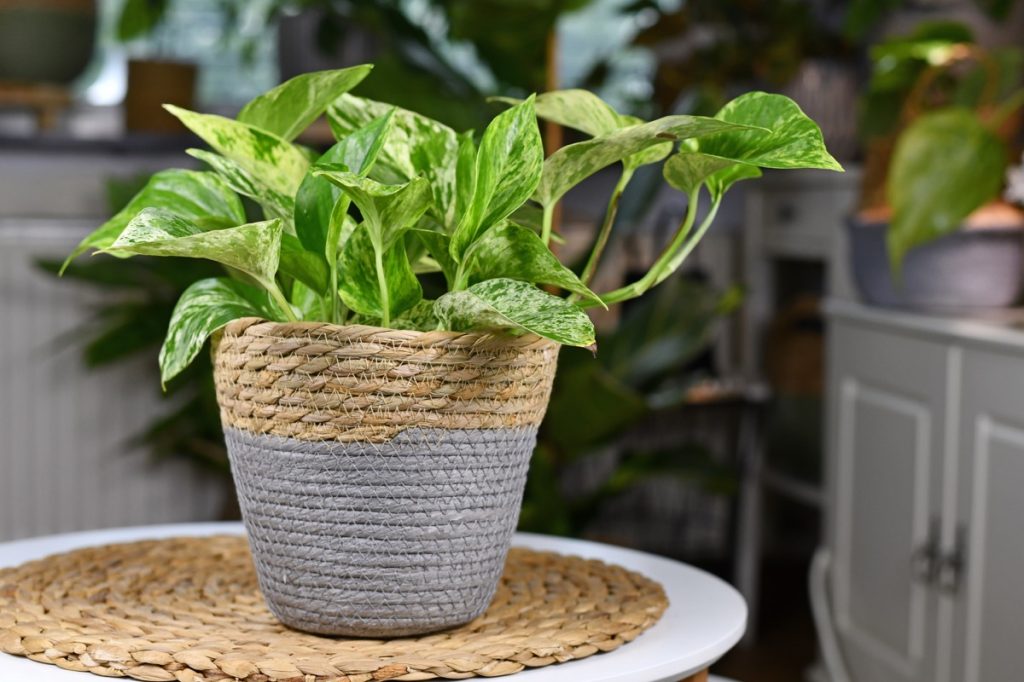
Some tropical plants are perfect even in milder climates, due to the fact that many thrive in lower light conditions and make fantastic houseplants. Because of this, taking them inside for the winter can be ideal for protecting the plant and a relatively easy transition.
In many cases, you might notice that outdoor tropical plants like birds of paradise will start struggling when temperatures dip to 50 degrees and below, per Gardening Know-How.
Once you get them into your home, check to see if the plants will require indirect light or more direct sunlight near a window or in a brighter room. Regardless, it’s also best to try to keep conditions as close to their native habitat as possible by picking a room with temperatures that are 65 degrees and above (and away from drafts or harsh heaters, naturally).