8 Groceries Getting More Expensive in 2026, According to Analysts

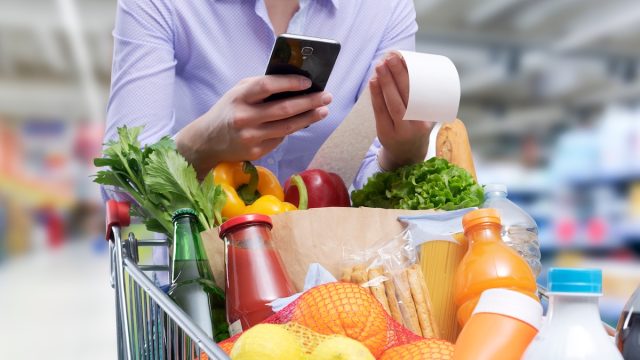
If it feels like every trip to the grocery store comes with a side of sticker shock, you’re not alone: Analysts say a mix of climate pressures, disease outbreaks, and stubbornly high production costs has set the stage for noticeable price swings across the supermarket aisles.
Even as inflation cools, some grocery items are expected to see sharper increases than shoppers are used to, while others could stabilize or fluctuate week to week. Here’s what experts are watching closely—and why your weekly grocery total may have you rethinking your shopping list.
RELATED: 10 Best Grocery Stores in America, According to Shoppers.
1
Beef and other red meats
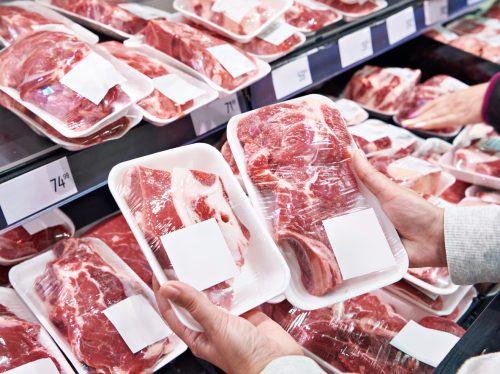
Thanks to persistent droughts and shrinking herd sizes, beef and other red meat prices are on the rise. Additionally, high input costs and changes in trade and production conditions are pushing meat prices upward—tightening supplies as consumer demand remains strong.
The Economic Research Service (ERS), a branch of the USDA, forecasts that moving forward, beef and veal prices will grow faster than their historical average, contributing to higher overall red meat costs.
2
Eggs and poultry
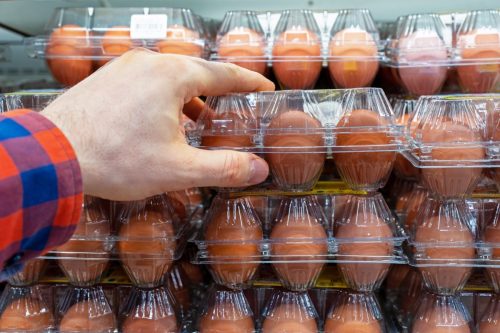
Egg and poultry prices have also taken a volatile trajectory over the past year and will likely continue to rise, the ERS notes.
Those experts attribute the change to a recent outbreak of avian flu, which spread throughout the U.S. in 2024 and 2025. As farmers cull affected flocks, supplies have diminished while demand remains high, ultimately affecting grocery store prices.
3
Dairy products
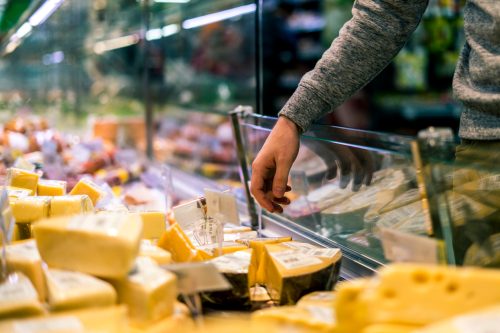
Other dairy products, such as milk and cheese, have also seen recent price increases since bird flu has affected not only chicken flocks, but also herds of dairy cattle. In fact, in August 2025, Forbes reported the butter price index at an all-time high, naming “tighter global milk supplies and rising input costs, including labor and packaging” as “key drivers of the surge.”
However, according to True Grade Foods, things may improve soon—especially for select dairy products, such as cheese: “Animal products may stabilize if livestock cycles improve and disease pressures ease,” they write.
4
Coffee and soda
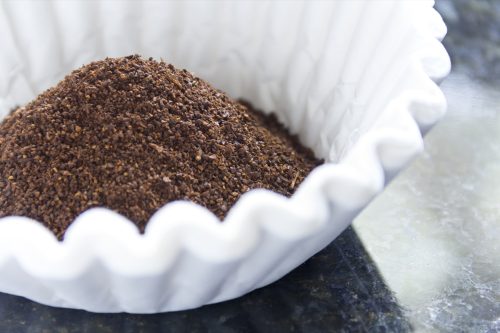
According to an analysis by True Grade Foods, the prices for nonalcoholic beverages have recently risen faster than most other grocery categories—and climate change could be to blame.
“Coffee and sugar markets felt the effects of weather disruptions in major producing countries, which led to higher import and processing costs,” they explain. “Alcoholic beverages followed a different path, moving at a slower and more stable rate.”
RELATED: 5 Self-Checkout Mistakes That Are Costing You Big.
5
Snacks and sweets
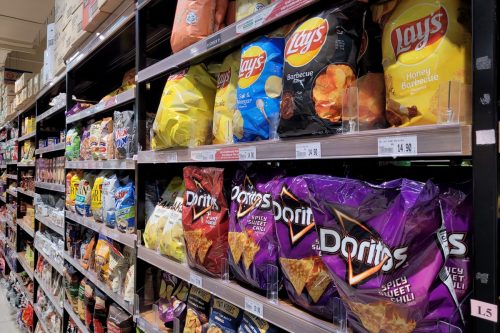
Thanks also to the rise in sugar costs, you can expect your snacks and sweets to cost more year-over-year. The ERS notes that this category is one of four “predicted to grow faster than their 20-year historical average rate of growth,” along with eggs, red meat, and non-alcoholic beverages.
6
Canned and packaged staples
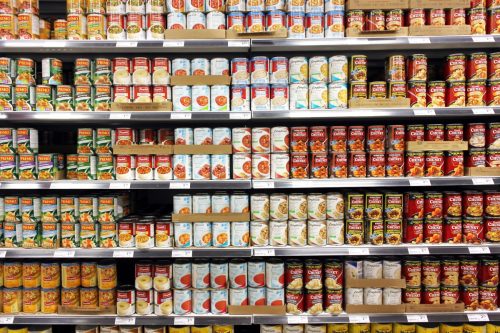
Sometimes grocery prices rise not because of the foods themselves, but because of the costs associated with their packaging. Experts are anticipating a price spike in canned and pre-packaged goods, thanks to inflation driving up the cost of metal and shipping costs.
This means you can expect common pantry staples—think soup, tuna, and beans—to drive up your total at the register. Americans are likely to feel the increase, given that stocking up on these basics is usually a way to keep grocery spending down.
7
Fresh Produce
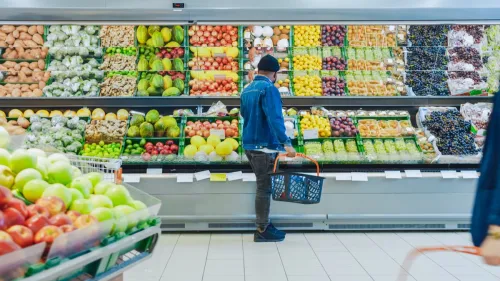
If you’ve noticed major price fluctuations in the fruit and veggie aisle, you haven’t gone bananas: Changes in weather patterns are affecting not only the supply chain, but subsequently, cost.
In fact, according to Food & Wine, produce was responsible for the “most significant restaurant cost swings in 2025, with items like cauliflower and lettuce experiencing extreme volatility.” They explain that “weather disruptions, concentrated growing regions, and import dependence created major supply constraints for vegetables and fruits, pushing prices up for months at a time.”
8
Bread and cereal grains

Even the prices of basics like bread and cereal grains have become unpredictable in recent years, thanks to volatile input costs such as fuel and fertilizer. Climate change—also a result of fossil fuels—is further disrupting the supply chain and edging costs ever higher, according to the Center for American Progress.