5 Regions Most at Risk for Droughts This Fall


As a “bumper” season, fall weather can be pretty difficult to predict. Hot summer weather can sometimes linger well into the season, even as the leaves begin to change. But while everyone is hoping for plenty of sunshine to make the most of those crisp autumn days, going too long without rain can lead to its own set of problems. Now, scientists are warning that some areas could get pretty dry in the run-up to winter. Read on to see which regions are most at risk for droughts this fall.
1
The Southwest & Central Texas
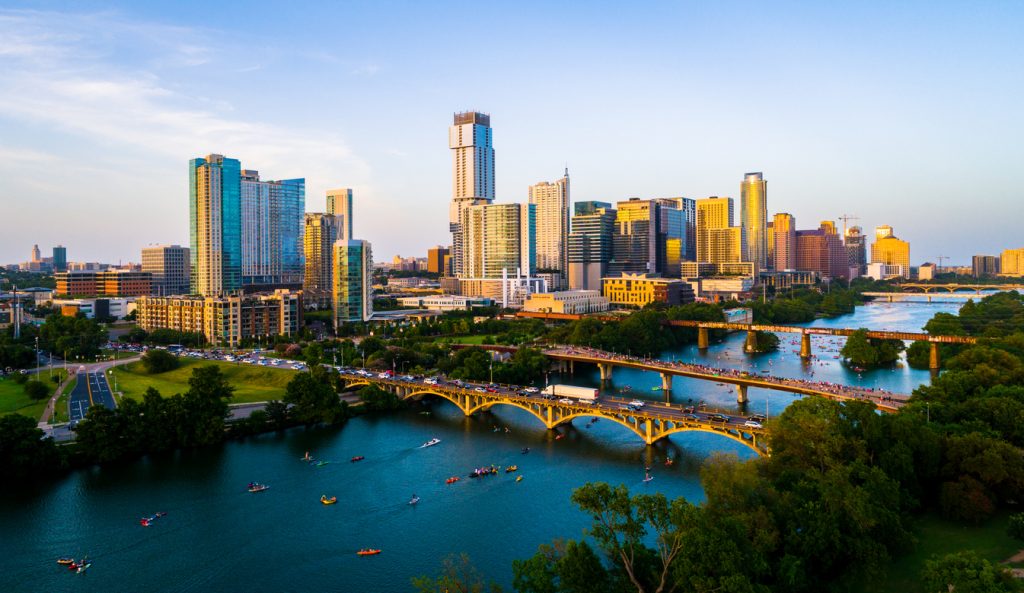
La Niña and El Niño cycles can be significant predictors of what’s to come for the weather. As summer winds down, scientists warn that another shift could be on the horizon, potentially drying out a significant part of the U.S.
Last month, the Climate Prediction Center issued a La Niña watch, saying they now expect the weather-altering phenomenon to return by the end of the year, local Austin NBC affiliate KXAN reports. The announcement overrides a previous forecast that the ocean water temperature change would only briefly dip into La Niña territory. By the time meteorological winter arrives in December, the chance of La Niña conditions lingering falls back to about 50 percent.
When the slightly cooler water replaces the neutral normal temperatures, the Southwestern U.S., including areas like Central Texas, tends to become drier and warmer. The Lone Star State experienced La Niña conditions last winter, which led to decreased rainfall but failed to bring the higher-than-average temperatures typically associated with it, according to KXAN.
2
Texas’ Edwards Aquifer area
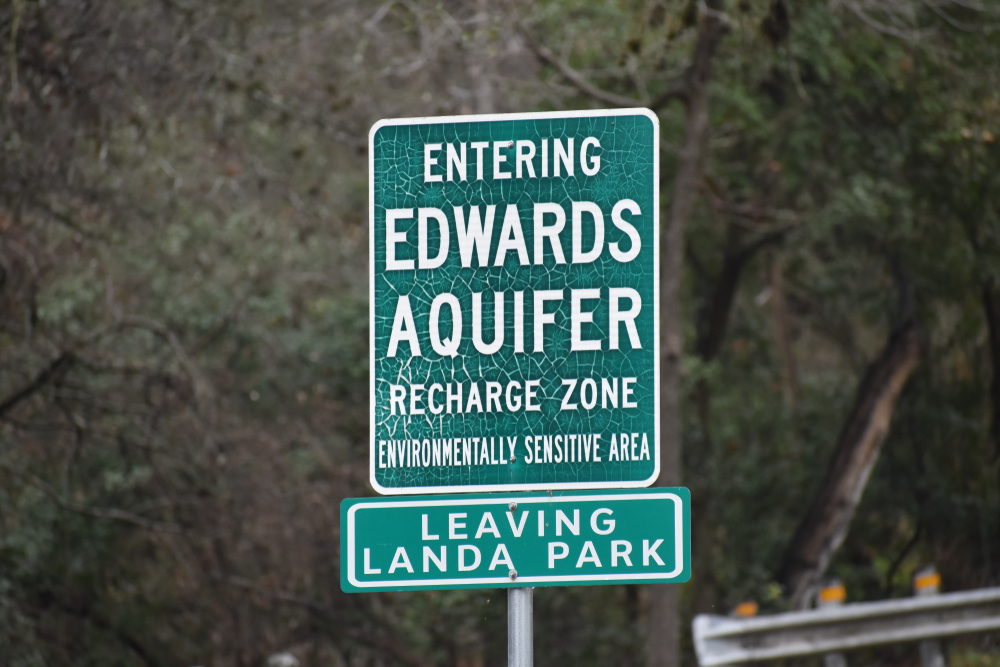
That’s not the only area of Texas that could see less rain this fall. Just months after the devastating floods hit Hill Country, rivers and lakes in the region are already showing signs of falling water levels, The Texas Standard reports.
The recent drop in rain is already causing problems for local reservoirs and the vital Edwards Aquifer, which has already seen its level dip 29 feet below average compared to this time during other years. As a result, the Edwards Aquifer Authority has instituted controls and restrictions to 60 percent of typical usage in an effort to conserve supplies.
“So it’s a 40 percent cutback, which is pretty substantial,” Liz Teitz, an environmental reporter for the San Antonio Express-News, told The Texas Standard. “For an average person watering their lawn, turning on the sink, they won’t notice an immediate impact. But water utilities, like the San Antonio Water System or New Braunfels Utilities that get water from the Edwards Aquifer, they’ll have to make changes in their sourcing to make sure they’re complying and reducing their use from the aquifer.”
RELATED: 6 Regions Where Fall Foliage Will Peak This Month.
3
Arizona & Nevada’s Colorado River Basin
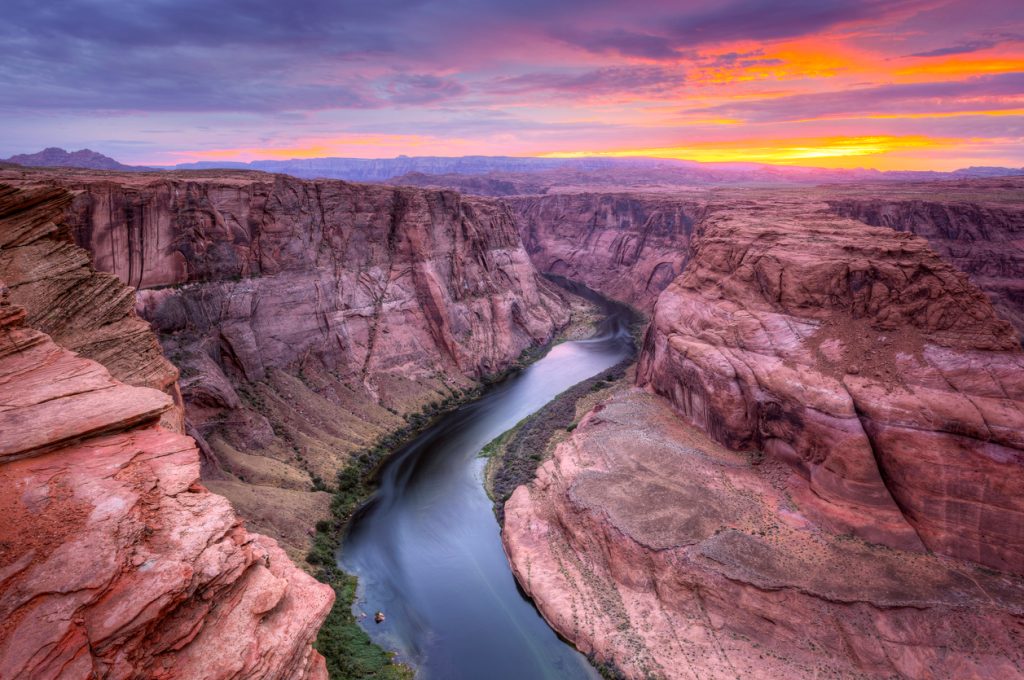
Besides its stunning beauty, the Colorado River is a vital water source for a significant portion of the Southwestern U.S. Unfortunately, residents across seven states who rely on it for water could face another fall of struggles due to drought, the Associated Press reports.
This fall, an ongoing drought brought on by climate change in the region, which has strained water allocation since the beginning of the decade, is expected to continue. As a result, Arizona will see a sustained 18 percent reduction in its allotment, while Nevada will again see a 7 percent cut, AP reports.
The news doesn’t get much better for Nevada, either: In a report issued last month, officials at the Bureau of Reclamation estimate that essential reservoirs Lake Mead and Lake Powell (which are both fed by the Colorado River) will reach historically low levels, SFGate reports. The agency currently estimates that while both are only 31 percent full, Lake Powell will be 35 feet lower than last year by the end of the year, which officials say will put it in “danger zones for electricity generation.” Meanwhile, Lake Mead will drop to seven feet lower than last year’s low and continue to drop another seven feet over the following two years.
Officials in the states that rely on the river for water face an uphill battle in coming up with a new agreement over usage, which could see further cuts. “This comes at a time when there’s a lot of uncertainty about how California and the other Colorado River Basin states will be managing their water in the future,” Kyle Roerink, executive director of the watchdog organization Great Basin Water Network, told SFGate. “Key management agreements expire in 2026, and there’s ongoing infighting that has been well documented between the Colorado River Basin states about who is going to cut and when.”
4
Florida
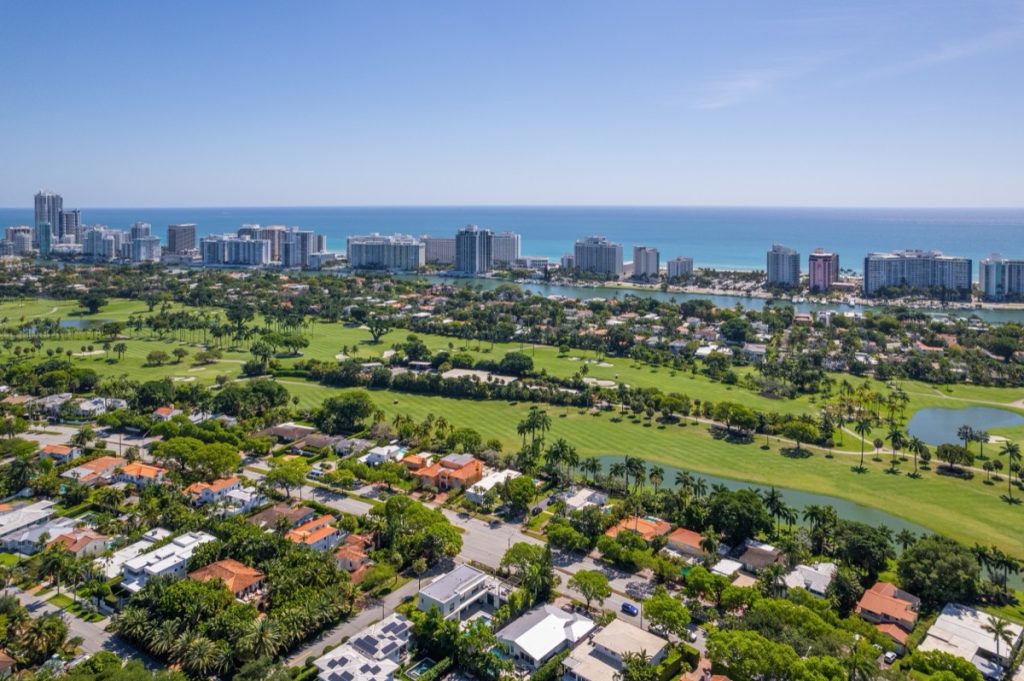
The Sunshine State will be seeing a little but too much of its namesake this fall. Climate scientists say that “severe” droughts that have been affecting Florida through the summer will likely continue through the rest of the year, the South Florida Sun Sentinel reports.
Records show that Palm Beach County is currently seeing its fourth driest year over the last 131 years, while Broward County is seeing its tenth driest with just 68 percent of the expected rainfall. Miami-Dade County is also roughly a quarter shy on rainfall so far this year, too.
According to the National Weather Service (NWS), the dryness can be attributed to the “Bermuda High,” which is a subtropical high that sits over the Atlantic and affects winds over the state. “When we have that onshore flow across the east coast, that pushes the bulk of the thunderstorms for the day across to Southwest Florida, into Collier, Hendry, and Glades Counties,” George Rizzuto, a meteorologist with the NWS, told the South Florida Sun Sentinel.
The one upside to this dry weather? The current Bermuda High strength and placement could help protect Florida from approaching hurricanes, according to Rizzuto.
RELATED: 4 Regions Where Hurricane Season Will Be the Worst This Year.
5
The Northeast
The Northeast might be a prime destination for leaf peeping and a classic fall aesthetic, but things could be especially dry this time around.
In Vermont, livestock farmers are struggling amid a lack of rain, AP reports. The U.S. Drought Monitor says the entire state is currently under a severe drought, forcing them to transport water and food to dairy cattle. The conditions are actually an overlap of a lingering two-year drought and a recent drought that began in early June—but effects will likely be felt for a good time to come.
“It took us a while to get into this drought,” Lesley-Ann Dupigny-Giroux, the Vermont state climatologist, told AP. “It’ll take us a while to get out, barring tremendous amounts of rain.”
Meanwhile in New York, the Capital Region surrounding Albany is currently experiencing “abnormally dry” conditions amid higher-than-normal temperatures, the Times Union reports. The area has received three inches less of rain since the beginning of summer, and officials are warning that wildfire risks across the Adirondack region are currently elevated.
“If we don’t get any rainfall soon, those types of concerns will become bigger concerns as the month goes on,” Brian Frugis, a meteorologist with the NWS, told the Times Union.
And the Nation’s Capital is also going through a drought of its own. Records show that Washington, D.C., had its driest August in over a century and a half, The Washington Post reports. Meteorologists expect the drought to linger, especially as September and October approach, which are already typically the driest months of the year for the city.