7 Best Protein Supplements for Weight Loss, According to Dietitians

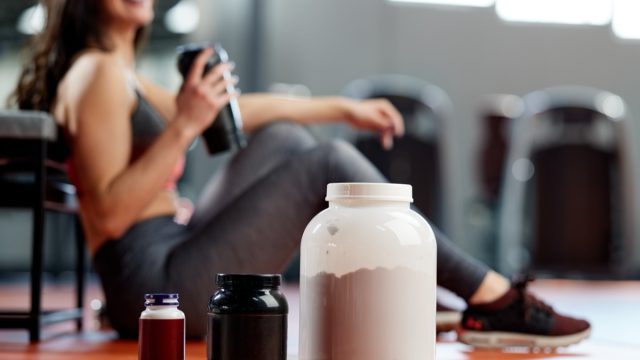
When it comes to losing weight, getting enough protein is key—not just for building muscle while slimming down, but also for keeping you full and energized throughout the day. While the bulk of your protein should come from whole, natural foods, protein powders can be a convenient and effective way to boost your intake, especially when you’re short on time or cutting calories.
Done right, protein powders can improve overall nutrition, increase muscle mass, assist in workout recovery, and aid in weight loss—all while still adhering to your intended calorie intake. For plenty of fitness enthusiasts, the right product can provide the extra edge needed to finally achieve even the most challenging goals at the gym.
However, with so many options on the market—including some that harbor dubious or even dangerous ingredients—it’s important to choose carefully. Supplements, including protein powders, are largely unregulated by health authorities, meaning there’s a wide gulf between products that truly enhance health and those that can actually harm it.
To ensure you’re getting the most out of every scoop, experts recommend looking for products that contain between 20 and 30 grams of high-quality protein per serving, and sidestepping products containing artificial dyes, fillers, sweeteners, or additives. Reputable brands that have undergone third-party testing for heavy metals or other contaminants should also take top priority.
Ready to pick the best protein powder brand for your own weight loss journey? These are the seven top choices, according to dietitians.
RELATED: 9 High-Fiber Foods for Weight Loss That Will Keep You Full and Satisfied.
Here’s How Much Protein You Need for Weight Loss

The first thing you should do when deciding to add dietary protein or protein powder to your regimen is calculate how much your body needs.
“The International Protein Board recommends ensuring 1.4 to 1.6 grams of protein per kilogram body weight for overweight people as part of their calorie management,” explains Rob Wildman, PhD, RD, a fitness and sports nutrition expert. “As total daily calories go down, the percentage of calories coming from protein will go up. Protein becomes your best nutritional weapon to fight hunger as well as losses in muscle and metabolism during the body transformation.”
Katie Robinson, PhD, RD, a medical science liaison manager at Abbott Laboratories, says that the more you exercise, the more protein your body likely needs.
“As the weight decreases, muscle may also be lost,” Robinson tells Best Life. “Research suggests that 11 to 50 percent of weight loss can be from lean mass. To offset this loss… people pursuing weight loss may need at least 50 percent more protein than normal to maintain muscle mass,” she advises.
Robinson adds that beyond helping you reach your weight loss goals, consuming the recommended protein levels can have far-reaching effects on your health.
“If you don’t get enough protein through your diet, your body may break down muscle to supply the protein it needs, but this muscle plays an important role in daily activities, movement, energy metabolism, and overall health,” the dietitian explains.
Speaking with a doctor or nutritionist can help you establish how much you need, taking into account age, weight, health conditions, fitness goals, and more.
RELATED: When Your Weight Loss Will Plateau, Science Says—And How to Fight Back.
7 Best Protein Powder Options
1. Best Overall Protein Powder: BioHealth Nutrition Precision Blend
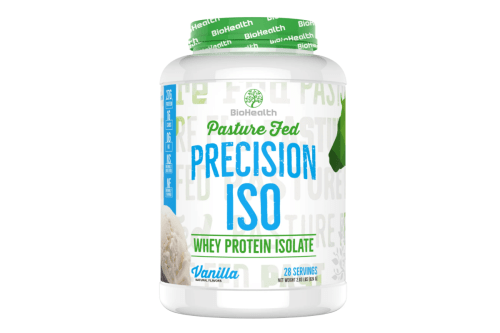
Packed with between 27 and 31 grams of protein per scoop, Sarah Herrington, MS, CNC, a nutritionist at Brio-Medical, recommends BioHealth Nutrition Precision Blend as her favorite pick overall. This simple, four-ingredient formula is sugar-free, low-carb, fat-free, and devoid of synthetic additives and fillers.
“It is also sourced from grass-fed cows, free of any unnecessary ingredients, sweetened only with stevia, has added digestive enzymes to help with protein and lactose breakdown, and comes in many delicious flavors. You can’t go wrong here!” she adds.
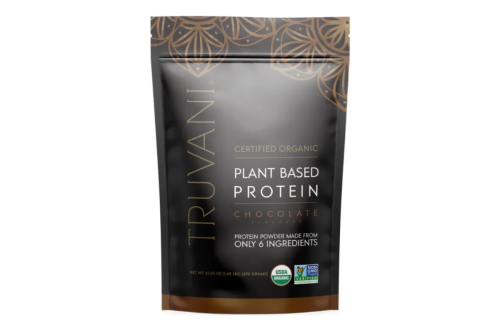
2. Best Vegan Protein Powder: Truvani Plant Based Protein
When it comes to protein, the source matters greatly, Harvard Health Publishing notes. Their experts recommend significantly cutting back on meat- and dairy-based sources—especially red meat and processed meat—opting instead for lean and plant-based sources.
If you’re already following a plant-based diet, a vegan protein supplement could help you reach your intake goals. Herrington recommends Truvani Plant Based Protein, which exclusively contains certified organic, non-GMO, non-dairy ingredients.
“When it comes to plant-based protein powders, you are looking more for function over taste,” Herrington says. “However, Truvani tastes pretty good for plant-based protein powder, only contains six natural ingredients, and has a full amino acid profile.”
RELATED: 7 Supplements That Can Help You Lose Weight, Doctors Say.
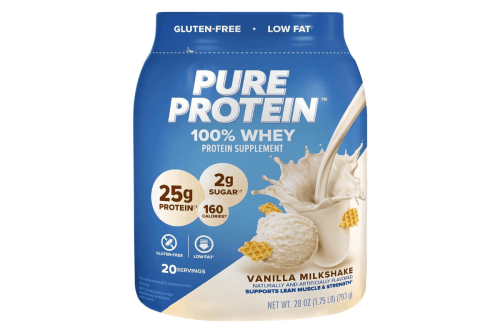
3. Best Whey-Based Protein Powder: Pure Protein 100% Whey Powder
Popular among athletes and bodybuilders, whey proteins often contain all nine essential amino acids—the building blocks of protein that your body needs but cannot produce on its own.
“Consuming up to 30 grams of protein per meal maximizes protein synthesis, allowing for maximum efficiency and effectiveness,” says Toby Amidor, RD, CDN, an award-winning nutrition expert. “Per serving, Pure Protein’s 100% Whey Protein Powder offers 25 grams of protein for just 160 calories, 2.5 grams total fat, and 2 grams sugar.”
Amidor notes that the product is also gluten-free, low in fat, and contains no soy protein or artificial flavors, sweeteners, or colors.
“Enjoy a scoop of Pure Protein 100% Whey Powder in a shake, smoothie, or even add it to your oatmeal, whole grain pancake, or waffle batters!” she suggests.
4. Best Protein Powder for Older Adults: Provytl 50+
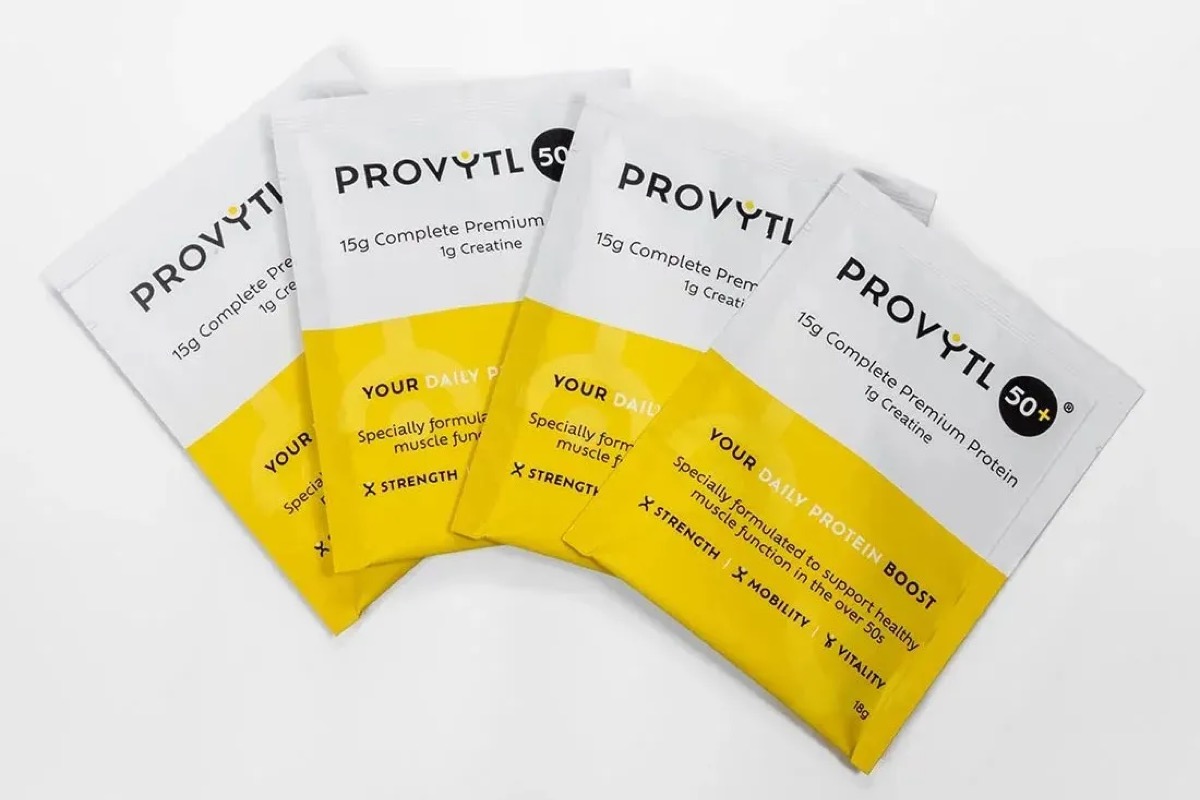
Older adults have separate protein needs from their younger counterparts, says registered dietitian Zoe Cottrell, RD.
“Every decade after the age of 50, the average person loses five to 15 percent of lean body mass, which can lead to loss of strength and function. Nearly 90 percent of over-50s already need more protein in their diet to help combat age-related muscle loss,” she tells Best Life. “If you are looking to lose weight, you are at greater risk of accelerating this loss of muscle and strength, a condition known as ‘sarcopenia.'”
To counter this, Cottrell recommends “a low-calorie protein powder coupled with exercise”—specifically Provytl 50+, a product made to meet the needs of older adults.
“It’s the only evidence-based daily protein supplement specially formulated to enhance and extend healthy, active living in the over 50s. Provytl contains only the purest form of whey protein isolate and all 20 amino acids (including the nine essential amino acids). And it’s rich in leucine—which plays a key role in kickstarting muscle protein synthesis,” the dietitian explains.
5. Best-Tasting Protein Powder: Clean Simple Eats
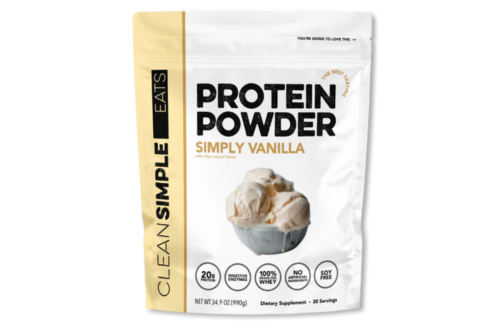
When it comes to flavor, Mackenzie Burgess, RDN, a registered dietitian nutritionist and recipe developer at Cheerful Choices, says her favorite brand is Clean Simple Eats.
“I often enjoy blending up a nourishing smoothie with one scoop of Clean Simple Eats’ protein powder alongside frozen fruit, milk, and nut butter. The best part is they have tons of delicious tasting flavors like Strawberry Cheesecake, Coconut Cream, or Chocolate Peanut Butter,” she says.
However, that’s not the only selling point. “When choosing a protein powder, prioritize products with simple ingredients and ones that are third-party tested,” she recommends. “Clean Simple Eats protein powders have stringent testing to ensure potency and purity of their high-quality ingredients.”
RELATED: 4 Probiotics That Trigger an Ozempic-Like Weight Loss Effect, Doctors Say.
6. Best Protein Powder With Collagen: Primal Kitchen Collagen Fuel
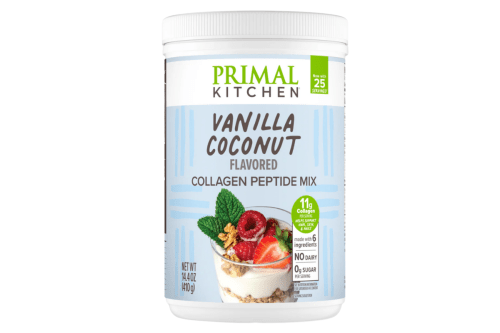
Products that contain collagen may come with added benefits, experts say. “A smaller dose benefits your joints and skin, while a larger amount may help with body composition and muscle mass,” notes UCLA Health.
Herrington says that they come with certain drawbacks, but recommends Primal Kitchen Collagen Fuel if you decide to go this route.
“Collagen powders, while not technically a complete protein, can still have a lot of benefits for skin, hair, and to round out amino-acid profiles. A lot of them don’t taste very good or mix very well, but this product has a mildly sweet, ‘coconutty’ taste and gives a nice froth when blended with unsweetened nut milk,” she says.
7. Best Organic Protein Powder: Ka’Chava All in One Nutrition Shake
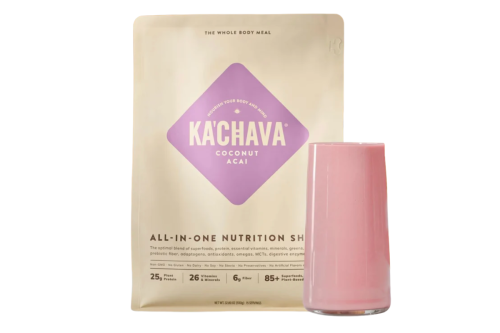
Finally, for a top-quality organic product, Herrington recommends Ka’Chava All in One Nutrition Shake. This all-in-one shake is non-GMO, gluten and dairy-free, and contains no artificial flavors, preservatives, or sweeteners.
Instead, it packs in a blend of plant proteins derived from peas, rice, oats, and quinoa, as well as Omega-3s, antioxidants, probiotics, and supergreens.
“This is really an all-in-one meal replacement and packs a punch of vitamins and minerals into one super-shake,” Herrington says. “The price tag is a little bit higher than some of the others, but it is super handy if you are traveling or struggling to get in whole food meals throughout the day.”