14 Best and Worst Fruits to Buy Frozen, Dietitians Say


The frozen fruit aisle at the grocery store has come a long way in recent years. In addition to staples like blueberries and strawberries, you can now find frozen dragonfruit, avocado, tropical fruit medleys, and so much more.
“Frozen fruit is definitely a freezer staple for me and something I recommend everyone have on hand to add to smoothies, yogurt bowls, oatmeal, mocktails, and more,” shares dietitian Maggie Michalczyk, RDN. “Fruit contains natural sugar, but it’s also a great source of fiber, which most of us are not getting enough of.”
There’s a surprising health benefit, too, according to Avery Zenker, RD, a registered dietitian at MyHealthTeam.
“These fruits are picked at peak ripeness, which is also typically peak taste and nutritional quality. They’re flash-frozen, which ‘locks in’ the nutrients and flavor,” she explains. “Many frozen fruits are higher in vitamins, minerals, and antioxidants than fresh versions at grocery stores. Fresh fruit can slowly lose nutrients over time, particularly vitamin C and antioxidants.”
But, dietitians say not all these options are created equal. Ahead, they break down the best and worst fruits to buy frozen.
RELATED: 7 Foods You Should Never Freeze, According to Experts.
1
Best: Berries

“Berries are a great fruit to buy frozen because they are often much less expensive than fresh and still just as nutritious,” notes Michalczyk. Fresh berries get especially pricey when they’re out of season.
To her point, Jane Ujoatu, a registered dietitian at Mochi Health, explains that because blueberries, raspberries, and blackberries freeze quickly and retain almost all of their vitamin C and antioxidant properties. The same is true of strawberries, which also retain their color and nearly all their fiber when frozen.
“Frozen berries also may have less pesticides, since the freezing process is the main preservative against pests and mold growth,” adds Zenker.
2
Best: Cherries
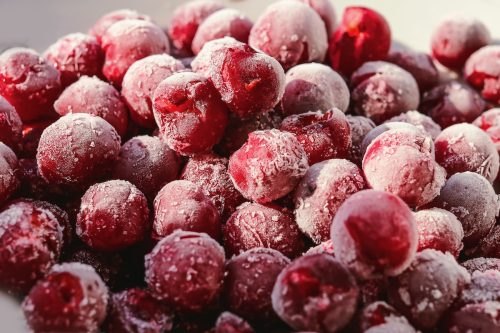
Not only have frozen cherries been pitted, but they “keep their color and most of their micronutrients and antioxidants,” says Zenker. Ujoatu adds that this makes them a great choice for making pies or fruit-based sauces.
But Michalczyk specifically recommends frozen tart cherries: “Packed with anti-inflammatory properties and high in vitamin C, tart cherries are great to buy frozen because they can be hard to find fresh.”
“Research shows tart cherries can aid in restful sleep and muscle recovery, making them perfect for an afternoon snack or mocktail,” she adds.
3
Worst: Watermelon
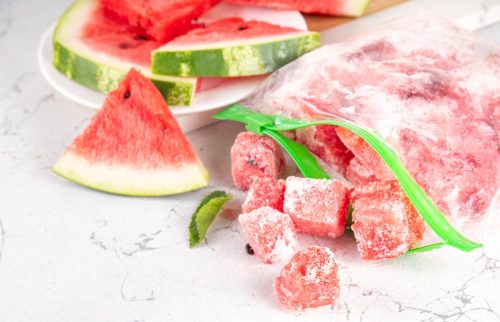
Frozen watermelon is a good idea in theory, since this fruit usually only comes around in the summer. And if you’re using it in a smoothie, the frozen version is just fine.
“But it otherwise doesn’t thaw to a very palatable texture for other uses,” Zenker points out. “The freezing process breaks the cell walls, which leads to excess water loss when thawed, leaving a potentially mushy texture.”
RELATED: Have You Heard of These 10 Uncommon Fruits? How They Can Help—or Harm—Your Health.
4
Best: Pineapple
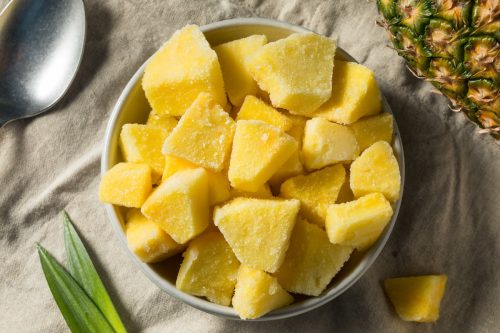
“If you don’t want to deal with cutting up a whole pineapple, opting for frozen slices is a great idea,” notes Michalczyk. “Pineapple is high in vitamin C, potassium and magnesium.”
Ujoatu adds that their acidity and low pectin allow pineapple pieces to hold their shape during freezing.
Plus, Zenker pionts out, “Fresh pineapple is picked before it fully ripens, while frozen pineapple is more likely to be picked at peak ripeness.”
5
Worst: Citrus fruits
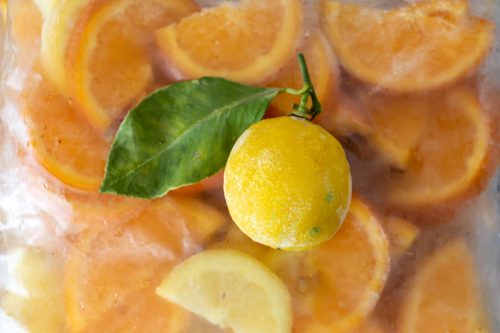
Like watermelon, citrus fruits’ high water content makes them tough to freeze.
“Citrus segments also tend to rupture during freezing and once thawed turning oranges or limes mushy, making them unsuitable for slicing or garnishing,” says Ujoatu. “Once frozen, citrus fruits are best for zesting; otherwise buy these fresh.”
6
Best: Mango

Zenker says that frozen mango pieces have nearly the same texture as fresh when they’re thawed, and they also keep their bright color.
“Frozen mango retains its nutrients well, including beta-carotene (a form of vitamin A) and vitamin C,” she adds. “Frozen mango has been found to retain more antioxidants than fresh mango that has been stored at room temperature.”
RELATED: How to Safely Store Fruit to Keep It Fresh and Tasty.
7
Worst: Apples
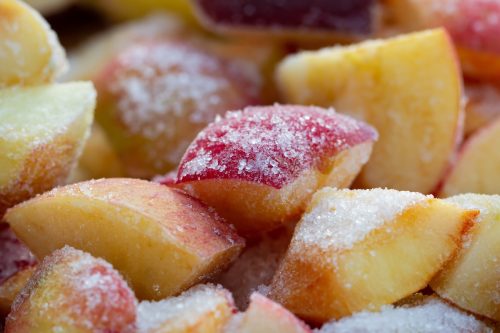
Apples should only be frozen if you plan to cook them or use them in baked goods or smoothies.
“They don’t thaw well for many other uses,” says Zenker. “Frozen apples also often lack the skin, which contains fiber, antioxidants, and micronutrients.”
8
Best: Peaches
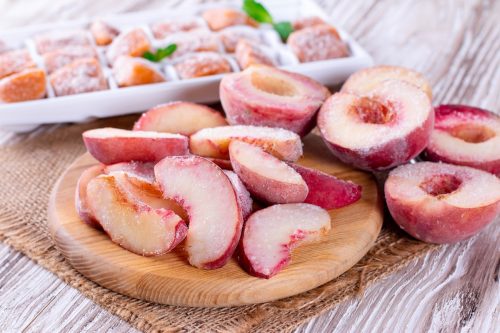
Peaches aren’t one of the most common frozen fruits you’ll find, but it might actually be healthier and safer to buy them this way.
“While peach skin is very nutritious, it’s often sprayed with pesticides,” Zenker notes. “Frozen peaches may have less pesticides since they are usually peeled and are preserved by freezing so they’re less reliant on chemical preservatives.”
Ujoatu adds that frozen peaches tend to retain their rich amounts of beta-carotene, vitamin C and fiber better than fresh peaches.
9
Worst: Bananas

There’s nothing wrong with frozen bananas, but you’re better off not buying them.
“To save money, it’s highly recommended to buy fresh bananas and freeze them yourself. Where I live, a 600g bag of frozen bananas costs $5.00, while the equivalent amount of fresh bananas costs less than a dollar,” shares Zenker.
“If they’re spotty and you know you won’t get around to eating them, take the peel off and freeze for future use,” suggests Michalczyk.
You can then add them to smoothies, thaw and use for baked goods, or even make soft serve “nice cream,” says Zenker.
RELATED: If You’re Getting Older, Eating This Fruit Can Prevent Muscle Loss, New Study Finds.
10
Best: Avocado

“Frozen avocado can be great for those who have trouble with keeping up with avocado’s ripeness,” Zenker says. “They’re also already peeled, pitted, and chopped, making them convenient and ready to go.”
However, she notes, “The texture after thawing isn’t the same as fresh avocado, so frozen avocado tends to work best in smoothies, guacamole, and other blended or mashed recipes.”
11
Best: Cranberries
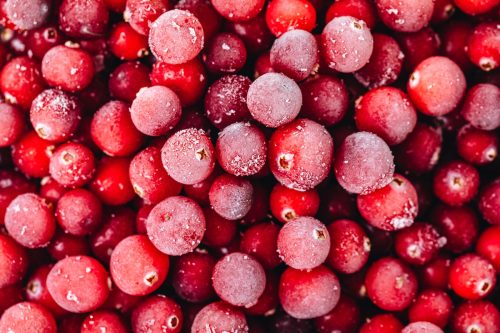
Unless it’s Thanksgiving time, it can be difficult to find fresh cranberries. And canned cranberries typically are full of added sugar, notes Zenker.
However, frozen cranberries “retain their polyphenol and antioxidant content very well when frozen,” she says.
12
Best: Coconut
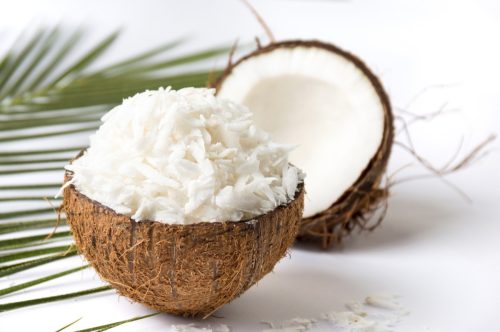
“Frozen coconut lasts much longer than fresh, and it may even last longer than dehydrated coconut, which the fats eventually go rancid,” Zenker points out. And it’s so much easier than opening and chopping a fresh coconut.
RELATED: 7 Best Fruits That Burn Fat, According to Dietitians.
13
Worst: Anything with added sugar
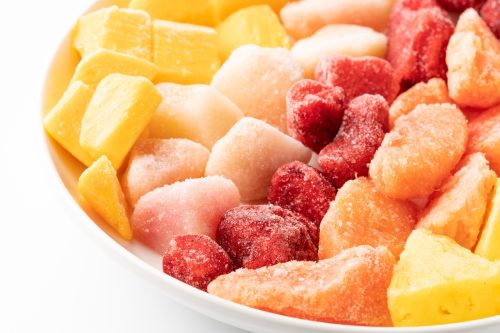
Michalczyk advises skipping any frozen fruit medleys that contain added sugar or artificial ingredients.
“Fruit is sweet enough on its own,” Zenker agrees. “Frozen fruit doesn’t need sugar, and even if you’re using it for baking, it’s best practice to add your own sugar to recipes.”
14
Best: Tropical fruits
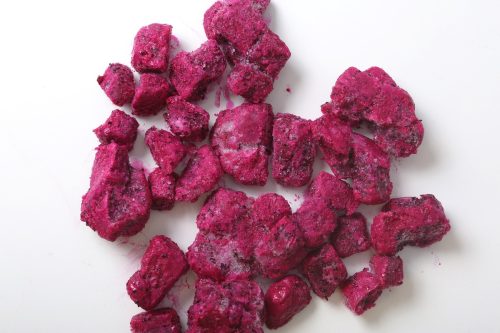
As Michalczyk points out, it’s rare to find fresh tropical produce like passion fruit and dragon fruit at the grocery store (and if you do, it may be expensive). However, she says, “It’s great to buy them frozen to reap the benefits of their high vitamin C content.”