5 Antioxidant-Rich Foods Doctors Say May Mimic Ozempic’s Weight Loss Effects

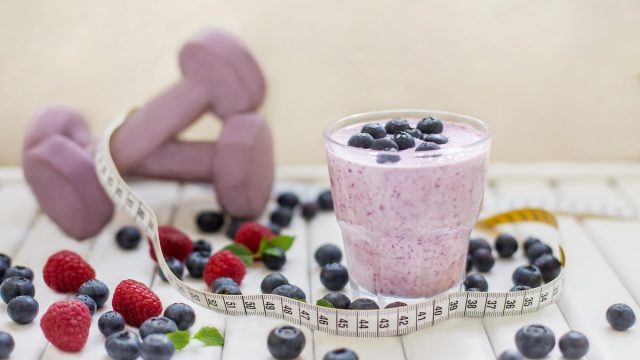
According to a Nov. 2025 KFF poll, about one in eight U.S. adults (12 percent) is currently taking a GLP-1 weight-loss medication such as Ozempic or Wegovy. These drugs work by suppressing appetite, stabilizing blood sugar levels, and promoting fullness and satiety. However, weight loss medication isn’t right for everyone, and it’s not a panacea for those who take it.
The drug works in conjunction with the help of major dietary changes, which can make or break your weight loss progress. And whether or not you’re taking a GLP-1, experts say that certain foods can help trigger Ozempic-like effects, putting your weight loss goals within reach.
You’ll want to begin with a diet that’s rich in unprocessed, plant-based, nutrient-dense foods, says Christopher McGowan, MD, a triple board-certified obesity medicine specialist. In particular, eating foods that are full of antioxidants and fiber may be especially beneficial for shedding pounds.
McGowan says that beyond helping you lose weight, these foods can also help protect your body from the negative effects of excess weight, “including insulin resistance, metabolic dysregulation, increased free fatty acids, and chronic low-grade inflammation.”
“Antioxidants are natural scavengers that can help to neutralize the oxidative stress caused by free radicals within the body, helping to mitigate some of the inflammatory changes that occur from excess weight and obesity. These effects can help to reduce cellular damage, which could have a downstream impact on obesity-related conditions like cardiovascular disease,” he tells Best Life.
Wondering which antioxidant-rich foods can help you lose weight and protect your health in the process? These are the five foods doctors recommend for their weight loss benefits.
RELATED: Doctors Discover the GLP-1 Drug Combo That Supercharges Weight Loss After Menopause.
1
Dark-colored fruits and vegetables
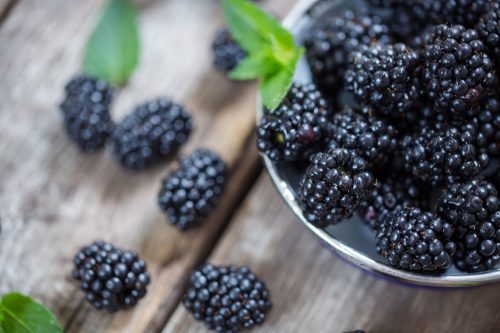
Color-coding your meal plan and striving to include lots of dark-colored plant foods is one way to ensure that you get plenty of antioxidants in your diet. As a 2020 study published in the journal Current Research in Food Science notes, antioxidant compounds are often directly responsible for plants’ pigmentation.
“For example, anthocyanins being one of the main phenolic groups found in fruits and vegetables are responsible for red, blue and purple color in fruits and vegetables. Carotenoids are associated with red or orange color, while chlorophyll gives the green color to fruits and vegetables present in,” the study authors write.
“Darker-colored fruits and vegetables tend to be loaded with phytonutrients and antioxidants,” says McGowan. “Examples include dark berries (blueberries and blackberries), tomatoes, leafy greens, and cruciferous vegetables like broccoli and Brussels sprouts.”
2
Nuts and seeds
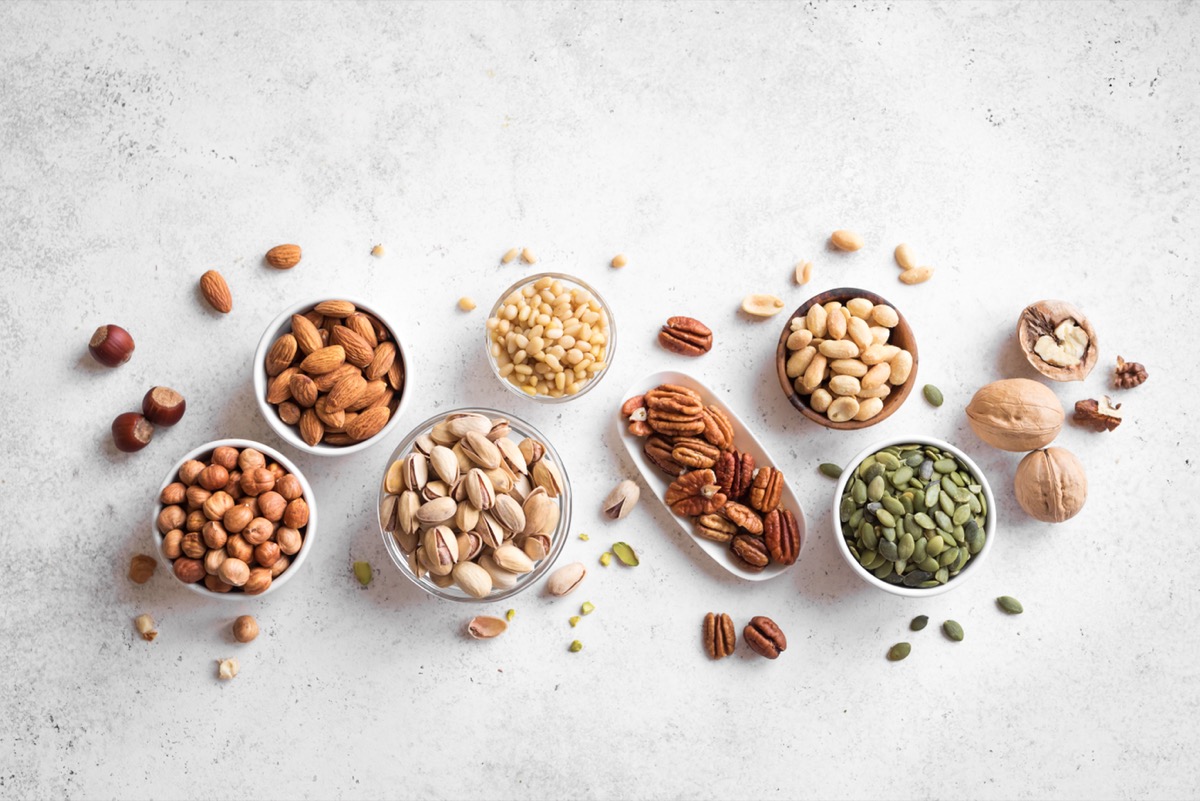
When you think of antioxidant-rich foods, nuts and seeds may be left off your list. However, they’re among the plants with the highest antioxidant content, including ample polyphenols and selenium.
“Tiny but mighty, nuts and seeds deliver a protein, fiber, and nutrient punch with every bite,” says Harvard Health Publishing. “Nuts are flavorful little packages containing healthy unsaturated fats, protein, fiber, and other nutrients.”
Walnuts, rich in folate, vitamin E, omega-3 fatty acids, and magnesium, are believed to be especially beneficial for weight loss. In fact, one recent study concluded that, similar to certain weight loss drugs that reduce “food noise,” walnuts may activate parts of the brain involved in appetite and impulse control.
RELATED: 10 Best Ways to Strip Away Your Unhealthiest Belly Fat, According to Doctors.
3
Beans and legumes
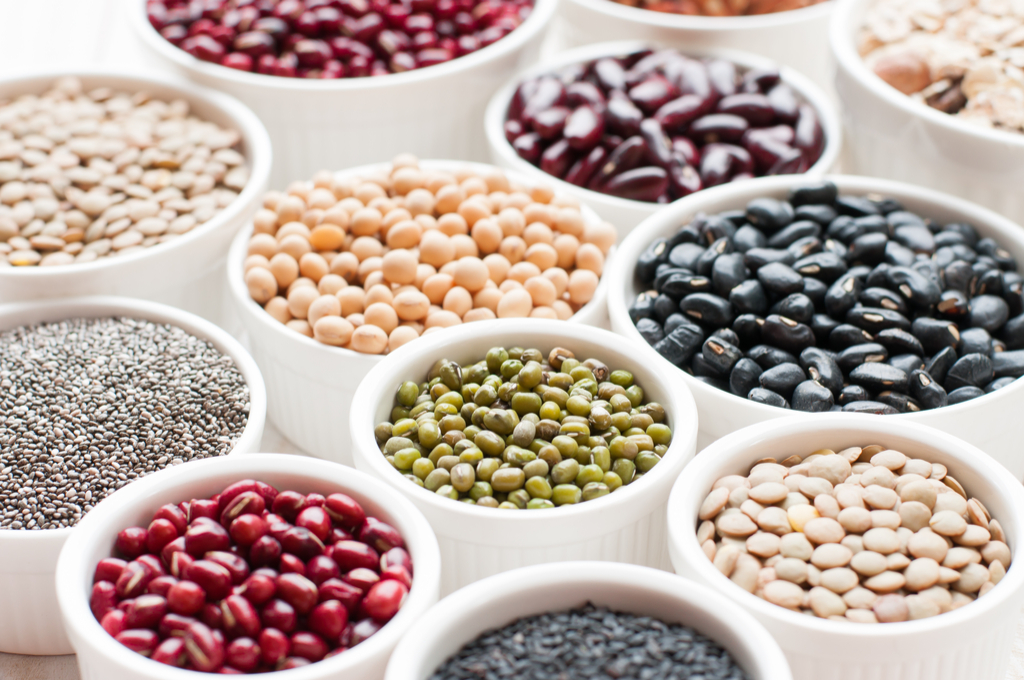
Beans and legumes are also rich in antioxidants such as phenolic acids, flavonoids, saponins, tocopherols, and vitamin C. Besides that, they’re brimming with protein and fiber, making them a powerhouse addition to your weight-loss diet.
“Beans are low in fat and the glycemic index. They are high in fiber and plant protein. They contribute significantly to satiety and they improve the gut microbiome. Clearly, they have the potential to play a meaningful role in the battle against obesity,” says a 2020 study in the Journal of Nutrition and Metabolism.
Once again, looking for deeply colored plants will help increase your antioxidant intake. “Most reports have suggested that legumes with colored seed coats possess strong antioxidant potential owing to the presence of high content of antioxidants,” notes a separate 2020 study published in the journal Sustainable Agriculture Reviews.
4
Green tea
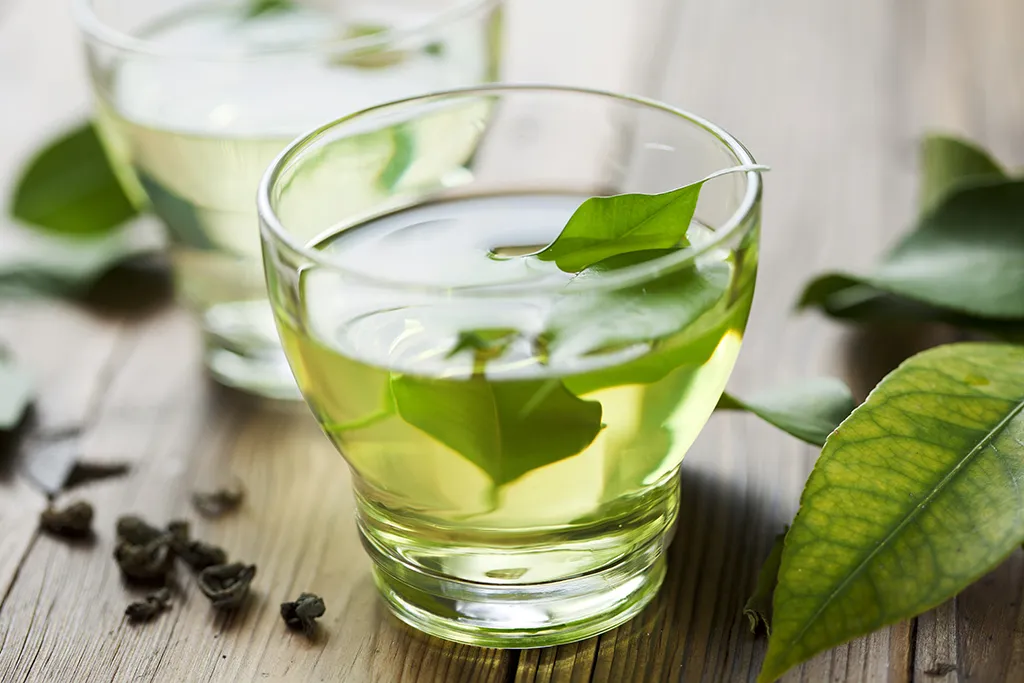
Green tea is packed with catechins, flavonoids, and polyphenols, and is believed to increase metabolism and help you burn fat faster.
In fact, a 2013 study published in the Journal of Research in Medical Sciences found that drinking green tea every day had major weight loss and health benefits: “Consumption of four cups of green tea per day caused a significant decrease in body weight, body mass index, waist circumference, and systolic blood pressure in this group. No significant change was seen in the other groups and between group comparisons.”
RELATED: Doctors Warn That Drugs Like Ozempic Are Making You “Skinny Fat.”
5
Foods that are rich in vitamin C
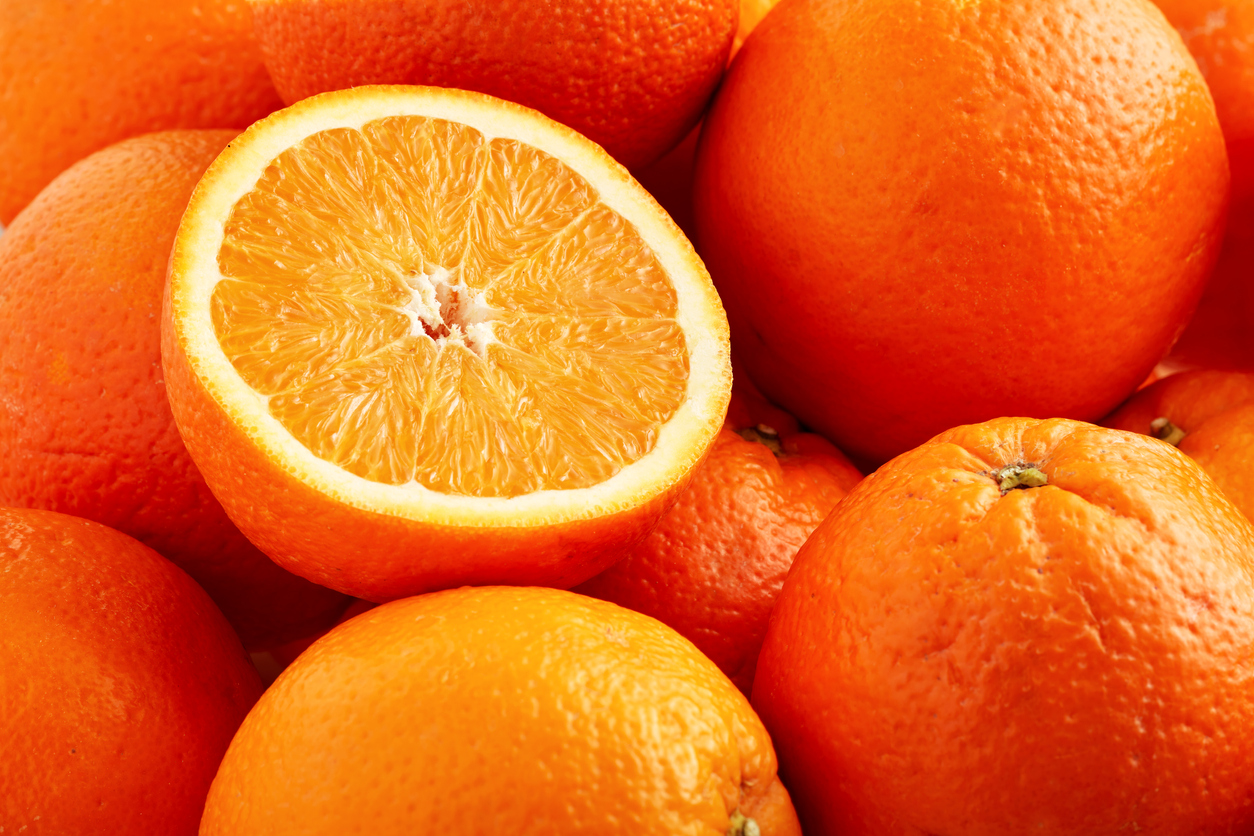
To turbocharge your weight loss, McGowan also suggests eating foods that are rich in the antioxidant vitamin C, such as “citrus fruits, red and green peppers, tomatoes, broccoli, strawberries, Brussels sprouts, and cantaloupe.”
“Vitamin C status is inversely related to body mass. Individuals with adequate vitamin C status oxidize 30 percent more fat during a moderate exercise bout than individuals with low vitamin C status; thus, vitamin C-depleted individuals may be more resistant to fat mass loss,” explains a 2005 study in the Journal of the American College of Nutrition.
- Source: Current Research in Food Science: Relationship between color and antioxidant capacity of fruits and vegetables
- Source: Harvard Health Publishing: Quick-start guide to nuts and seeds
- Source: Journal of Nutrition and Metabolism: Bean Consumption Accounts for Differences in Body Fat and Waist Circumference
- Source: Sustainable Agriculture Reviews: Antioxidant Profile of Legume Seeds
- Source: Journal of Research in Medical Sciences: The effects of green tea consumption on metabolic and anthropometric indices in patients with Type 2 diabetes
- Source: Journal of the American College of Nutrition: Strategies for healthy weight loss: from vitamin C to the glycemic response