10 Best Dog Breeds for Kids, According to Veterinarians

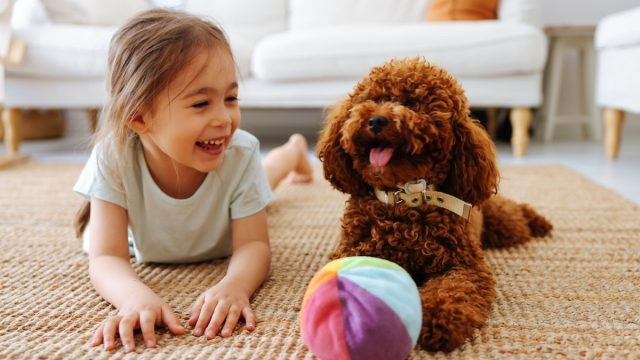
Bringing a new puppy into your family can feel very much like having another child, from potty training them to learning their sleeping and eating patterns. But if you already have children of the human variety, you’ll want to be especially selective about what kind of pup you welcome home. They should be gentle, protective, and friendly, among other attributes. To help you on your search, we consulted veterinarians who shared the best dog breeds for kids.
RELATED: 11 Best Dogs for Beginners.
1
Labrador Retriever
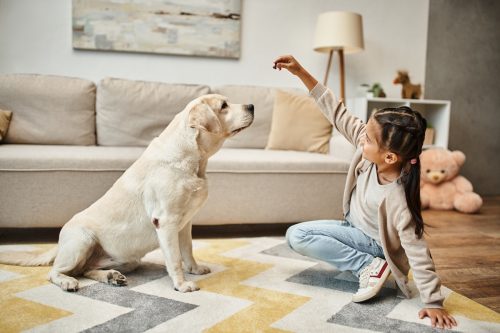
The most recommended dog breed on this list is the Labrador Retriever.
“Labs are famously patient and affectionate, thriving in family homes where they can join in every activity,” says veterinarian Matthew Murdoch, founder of Ferndale Kennels and Travel Pet Relocation Services. “Their big expressive eyes and their constantly wagging tails make them wonderful friends for children. They are also quick to learn tricks and commands.”
Veterinarian Jordyn Zoul, advisor to pet nutrition and wellness company Spot & Tango, adds that labs are a great choice if your kids are especially energetic: “They don’t typically take things personally and often see quick or hyper movements as fun.”
But do note that exercise is a requirement for this breed.
2
Golden Retriever
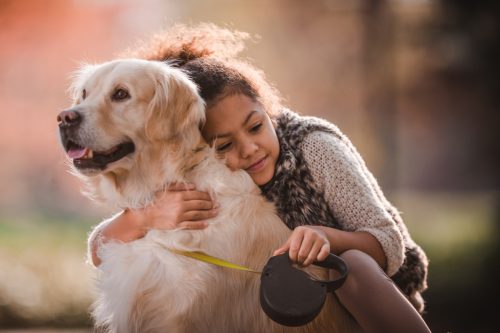
The Golden Retriever received nearly as many votes as the lab. Sally Grottini, certified trainer of service and therapy dogs and the dog behavior specialist at JustAnswer, describes this breed as friendly, loyal, and energetic.
“They are generally not skittish dogs, so the movement and sounds of children would not make them react negatively,” she shares. “They do love to snuggle, and if the child is willing, a Golden will relax on the floor with them to watch TV. They are very loyal to family, so they would likely keep an eye on a child when outside.”
“For more active families, many Goldens like playing fetch or going for walks or runs,” Zoul adds. “This can be a great way to add activity and routine to your family’s day-to-day life.”
Like Labs, Goldens must get regular exercise.
3
Bichon Frise
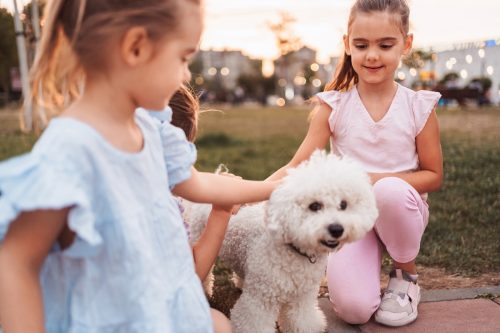
If you or your children suffer from allergies, the Bichon Frise is a hypoallergenic breed that’s also great with kids.
“They are big, loving personalities in small bodies, which can be convenient for a busy family,” Zoul explains. “They’re also thought to be a rather intelligent breed and can be highly trainable. Teaching them tricks or behaviors can be a fun activity for kids and dogs alike.”
Julie Hunt, a veterinarian at Embrace Pet Insurance, notes that Bichons are a nice option if you have very small children or if your kids are intimidated by large dogs.
RELATED: 10 Best Dog Breeds for Seniors.
4
Cavalier King Charles Spaniel
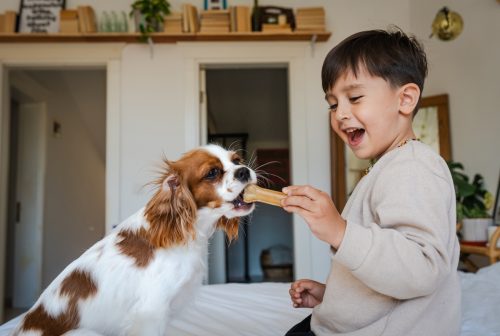
As Hunt notes, the Cavalier King Charles Spaniel was originally bred as a lap dog, so this breed is perfect if you’re looking for a dog that will be gentle with kids.
“It also likes to go on walks or play as well, but it excels at snuggles,” she says.
Zould adds, “‘Cavys’ as they’re affectionately referred to, are some of the happiest dogs and love everyone they meet.” She describes them as “a Golden Retriever personality, but in a smaller size.”
5
Boxer

“Few breeds combine strength, silliness, and sweetness quite like the Boxer,” says Murdoch.
Hunt agrees that this breed is affectionate and loyal. “They generally like to play with children in the home and are tolerant of a child’s antics without becoming upset, making them an ideal family pet,” she explains.
6
Beagle
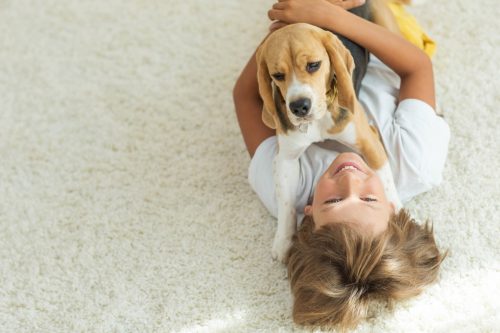
If you’re okay with a dog that may bark a lot—”As a hound, they can be vocal in the home, letting you know what they want or when someone has arrived,” Hunt points out—a Beagle is a lovely, family-friendly pet.
“They are generally easy to train, and as long as they are well socialized, they tend to get along well in a home with children,” she continues. “They tend to have an affectionate personality and like to play.”
7
Greyhound
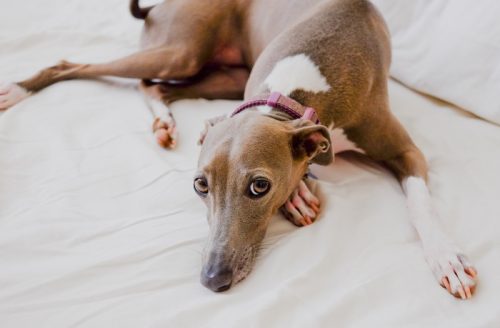
“While not one of the commonly thought of family dogs, Greyhounds tend to be some of the calmest, gentlest breeds out there,” shares Zoul. “They are kind, peaceful, and often referred to by their owners as couch potatoes.”
Therefore, she says this dog breed works well with children who may be more shy or reserved.
“They often amble rather than dart around like many of our more energetic breeds,” she adds. “These dogs are typically friendly to strangers, but they really love their family most.”
However, Zoul points out that you’ll want to be cognizant of Greyhounds’ history in the racing industry: “There are many reputable rescues that are always looking to place these dogs in loving homes. If you do end up with a rescue, make sure they undergo a full veterinary check-up as their histories can often be unknown.”
RELATED: 8 Calmest Dog Breeds.
8
Newfoundland

Despite their size (they typically weigh between 100 and 150 pounds), Grottini says Newfoundlands are “gentle giants.”
“They have a goofy personality and love attention from their family. But once playtime is over, they are big nappers, giving everyone in the home a rest,” she shares. “They love to be petted and often enjoy a hug.”
9
Bernese Mountain Dog
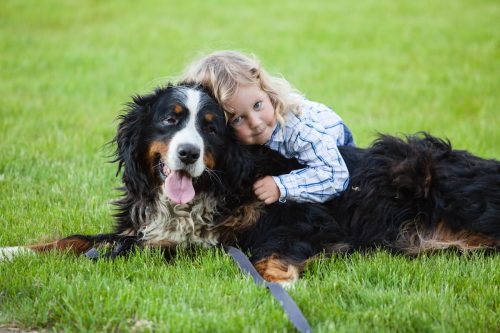
Speaking of gentle giants, Grottini also recommends the Bernese Mountain Dog for kids.
“This breed is usually around 70 to 100 pounds, but they are known to be extremely gentle around children,” she says. “They are loyal to the family and very patient, and they often have strong bonds to the children in the home.”
If you live in an area with cold winters, note that Bernese Mountain Dogs love to play outside in the snow. The only possible drawback is that “they are extreme shedders,” notes Grottini.
10
Mixed Breeds
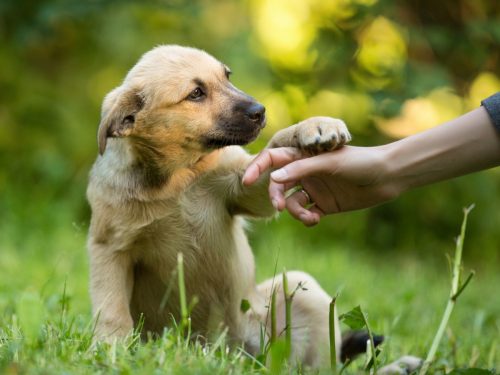
If you’re a believer in the saying, “adopt don’t shop,” fear not: Experts say mixed breeds (or “mutts”) can be just as good with kids.
“Take a look at the mix that makes up the dog,” suggests Grottini. “If it is a Golden Retriever/Newfoundland mix, you will have a happy dog. A Golden/Labrador mix will give loyalty and playfulness.”
“Getting a mutt also cuts down on predisposed ailments that are common in full-bred dogs,” she continues. “If you choose to get a mutt, have a trainer go with you to do a temperament test on the dog before you decide on the one you want to bring home.”