7 Best Anti-Inflammatory Supplements, Doctors Say
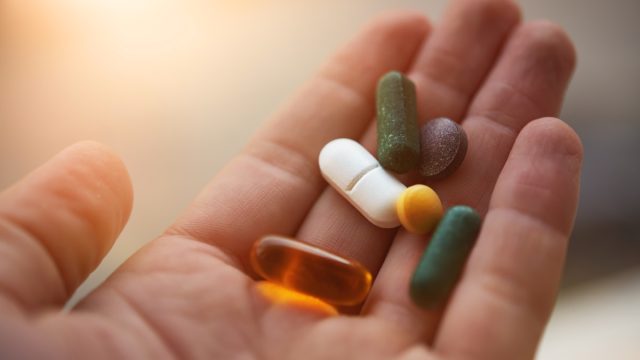
Any time you get hurt or sick, your body responds with inflammation. This is an important part of the healing process, as it helps to stimulate repair at the site of an injury or to launch an immune response to fight off infection. However, in some people, this can escalate into chronic inflammation in which the body launches a prolonged response without a particular threat present.
“This condition affects over one-third of the American population, leading to a spectrum of health issues including, but not limited to atherosclerosis, diabetes, hypertension, elevated cholesterol levels, obesity, joint degenerative arthritis, and pain,” says David Brady, ND, DC, chief medical officer at Designs for Health.
If a doctor confirms that you have chronic inflammation, you may be able to improve the condition by eating a healthy diet, exercising, improving your sleep quality, reducing your alcohol intake, and enacting other lifestyle interventions. However, taking anti-inflammatory supplements may also lower your levels and stave off related conditions.
“Pro-inflammatory states are associated with stroke, heart disease, and cancer,” says Daniel Landau, MD, an oncologist and the medical director of virtual hematology at the Medical University of South Carolina. “It stands to reason that supplements that can reduce inflammation may also decrease the risk of developing these conditions.”
And according to doctors, these are the four best anti-inflammatory supplements.
RELATED: 12 Supplements You Should Never Take Together, According to Doctors.
1
Green Tea Extract
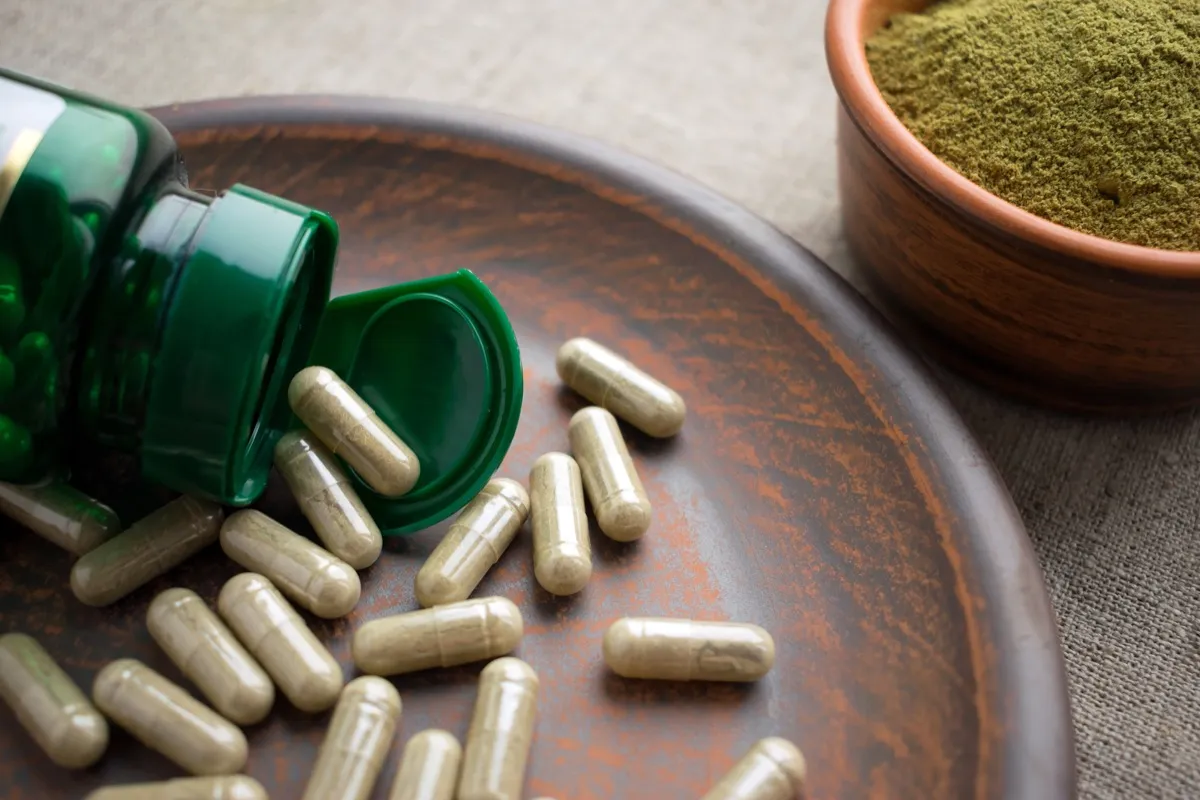
Green tea extract supplements contain an ample amount of the polyphenol epigallocatechin gallate (EGCG). This particular compound is known to have anti-inflammatory and anticancer properties.
“From the cancer perspective, there have been some anti-inflammatory supplements that may offer protection for patients. Green tea is one that has been studied across cancer types,” says Landau.
In particular, studies suggest that green tea has a positive effect in preventing and delaying the spread of breast, ovarian, colorectal, lung, pancreatic, blood cancer, and more.
Green tea supplements are also known to help reduce one’s risk of a range of other inflammation-related conditions, including Type 2 diabetes, heart disease, and liver disease.
2
Turmeric
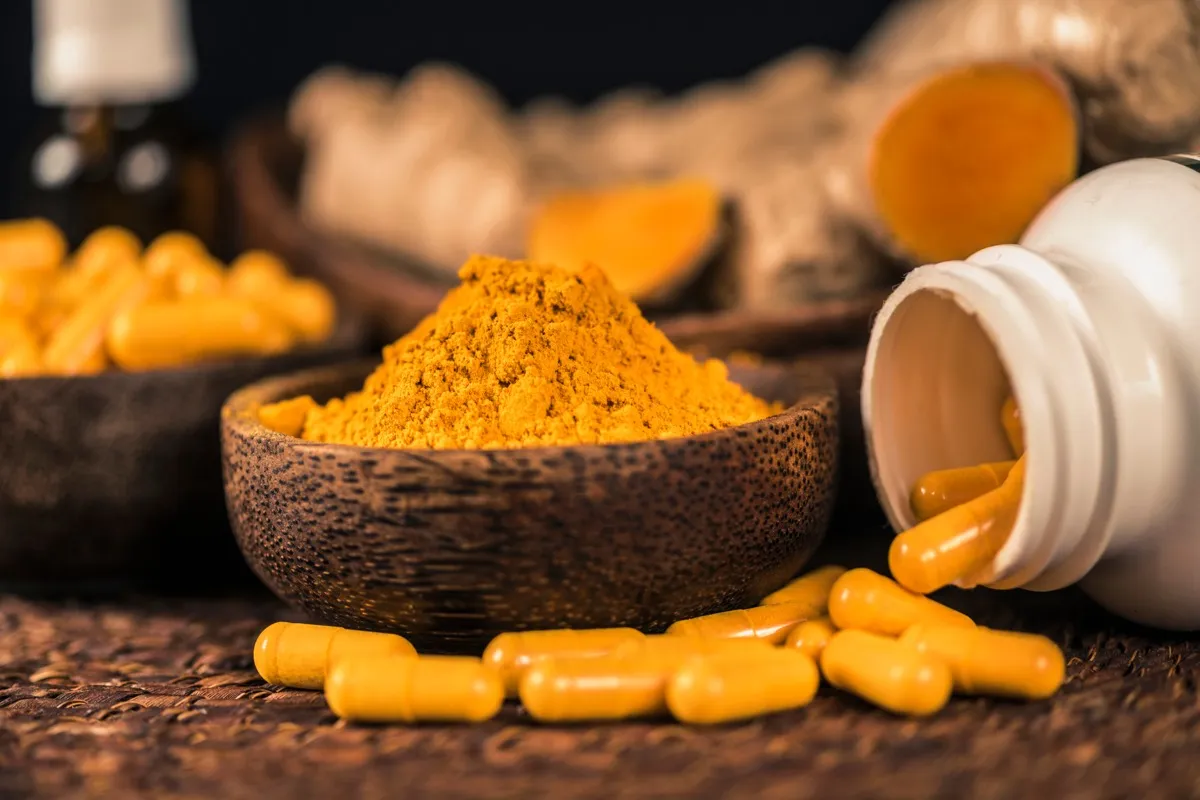
Turmeric (curcumin) is another anti-inflammatory supplement that may help reduce your risk of chronic illness.
“Due to its antioxidant properties, turmeric can help improve infections and some cancers, reduce inflammation, and treat digestive problems,” the Mount Sinai Health Library says. “Antioxidants scavenge molecules in the body known as free radicals, which damage cell membranes, tamper with DNA, and even cause cell death. Antioxidants can fight free radicals and may reduce or even help prevent some of the damage they cause.”
Landau notes that the research is especially robust when it comes to certain cancer types.
“Turmeric has shown potential benefits in a number of studies for different cancers, including breast, lung, prostate, and chronic lymphocytic leukemia (CLL),” says the oncologist, who is also a contributing writer at The Mesothelioma Center.
Though he says that “several studies have suggested potential benefits,” he adds that “further studies need to be performed to answer the exact questions on what dose patients would need to take or on how to best supplement patients who are battling cancer with anti-inflammatory medications.”
RELATED: 5 Best Anti-Aging Supplements, According to a Doctor.
3
Ginger Extract
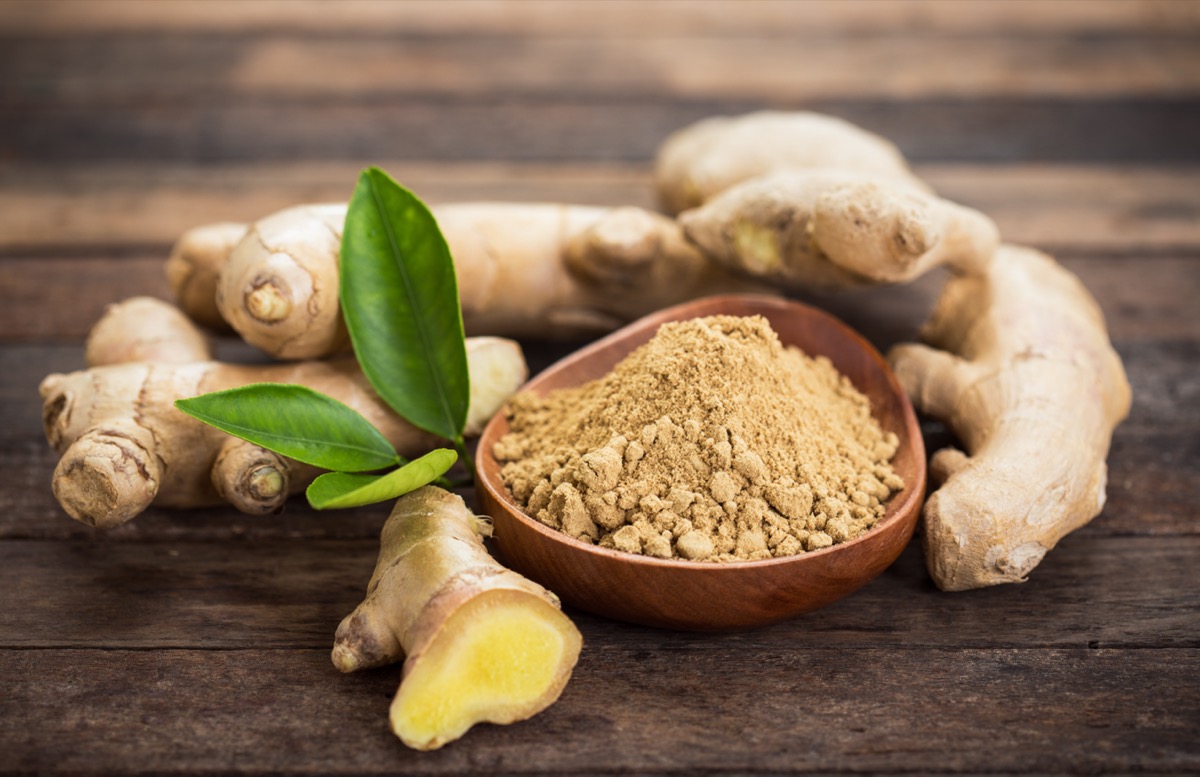
Ginger extract supplements also come highly recommended for their powerful anti-inflammatory benefits.
“Ginger contains bioactive compounds such as gingerol, which have been shown to have anti-inflammatory and antioxidant effects,” explains Dev Batra, MD, a double board-certified vascular and interventional radiologist at Texas Vascular Institute. “These compounds work by inhibiting the production of inflammatory substances and reducing inflammation in the body.”
One 2020 meta-analysis published in the journal Nutrients found that ginger supplements were especially beneficial for improving symptoms of osteoarthritis, which causes inflammation in the lining of joints.
Among eight studies that reported the anti-inflammatory effects of ginger supplementation, “arthritis-related diseases were the most conducted studies, particularly osteoarthritis (OA). Regarding OA, six studies investigated the efficiency of the constituents of ginger that serve as anti-inflammatory agents. All studies reported improvement following ginger intake compared to the control group,” the researchers wrote.
4
Vitamin K2
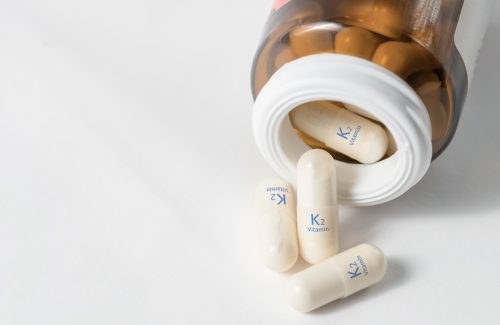
Another supplement that can be especially beneficial for those with arthritis is vitamin K2.
As Best Life previously shared, chiropractor and wellness influencer Eric Berg, DC, reported in a TikTok video that vitamin K2 can help decrease calcium buildup and calcification in your joints.
“It also decreases inflammation in the cartilage, and it also helps remodel, or rebuild, the cartilage,” he added.
Research backs up this claim, too. For example, a 2021 study published in the journal Current Developments in Nutrition found that vitamin K2 exhibited an “immunosuppressive function” in patients with rheumatoid arthritis.
And a 2024 study published in the journal Biomedicine & Pharmacotherapy concluded that vitamin K2 could protect knee joints affected by osteoarthritis by increasing bone mass, slowing down cartilage breakdown, and reducing inflammation.
5
Quercetin
Did you know that allergies are a type of inflammation? They occur when your immune system attacks allergens entering your body, thereby leading to inflammation. This is where quercetin supplements can help.
“Quercetin (which is a nutrient also found in many fruits, vegetables, and herbs) is a type of flavonoid that has antioxidant properties,” Megan Hilbert, MS, registered dietitian nutritionist (RDN) at Top Nutrition Coaching, previously told Best Life. “Some research has shown [quercetin can] work as a ‘mast cell stabilizer’ that helps block the release of histamine that causes inflammation, which is associated with many allergic reactions.”
Research shows that quercetin does this by inhibiting the production of inflammatory cytokines and enzymes.
Moreover, a review article published in Frontiers in Immunology suggests that quercetin may help reduce symptoms in autoimmune conditions such as rheumatoid arthritis, inflammatory bowel disease, multiple sclerosis, and lupus.
6
Omega-3 Supplements
You can get omega-3s through your diet by eating oily fish (salmon, mackerel, sardines, anchovies), walnuts, chia seeds and flax seeds, and plant oils. But you can also consider omega-3 supplements if you’re suffering from inflammation.
Sarah Otto, co-founder and in-house nutritionist of Goodness Lover, previously explained to Best Life that research shows how omega-3s reduce the amount of inflammation-causing cellular substances while they increase an enzyme that helps protect our DNA.
As the Arthritis Foundation notes, additional research has linked omega-3s and fish oil with beneficial properties for those with rheumatoid arthritis and lupus, both inflammatory conditions.
7
Vitamin D
Finally, Batra suggests taking vitamin D if you’re hoping to relieve symptoms of inflammation.
“While primarily known for its role in bone health, vitamin D also modulates the immune system and reduces inflammation by inhibiting the production of pro-inflammatory molecules,” the doctor explains.
Brady agrees that vitamin D is among the best supplements for fighting inflammation: “Considering the prevalence of vitamin D deficiency in approximately 40 percent of adults, the inclusion of vitamin D supplementation is critical.”
However, the experts emphasize that taking a holistic approach is always best if you want to lower your inflammation levels.
“Remember, while supplements can be helpful, maintaining a balanced diet, regular exercise, and managing stress are also key components of an anti-inflammatory lifestyle,” says Batra.
- Source: Chinese Medicine: Beneficial effects of green tea
- Source: Frontiers in Nutrition: The effects of green tea supplementation on cardiovascular risk factors
- Source: Mount Sinai Health Library: Turmeric
- Source: National Cancer Institute: Curcumin and Cancer
- Source: Nutrients: Ginger on Human Health
- Source: Current Developments in Nutrition: Vitamin K2 Supplementation for the Prevention and Treatment of Rheumatoid Arthritis
- Source: Biomedicine & Pharmacotherapy: Vitamin K2 ameliorates osteoarthritis by suppressing ferroptosis and extracellular matrix degradation through activation GPX4's dual functions
- Source: Pharmaceuticals: Recent Advances in Potential Health Benefits of Quercetin
- Source: Frontiers in Immunology: Potential Implications of Quercetin in Autoimmune Diseases
- Source: Arthritis Foundation