7 Sneaky Ways Your Body Tells You to Drink More Water


You could be dehydrated long before feeling thirsty, which makes it easy to forget to drink water. “Hydration is necessary for survival,” Ronald A. Navarro, MD, tells Kaiser Permanente. “The cells in our bodies contain water and are surrounded by water. When we’re dehydrated, these cells are less permeable, which means they have trouble absorbing nutrients and removing waste.” So how much water should you drink every day? “The most common recommendation is to drink 8 ounces of water 6 or 8 times a day, every day,” says Dr. Navarro. “However, some adults may need more or less, depending on their overall health. Factors like illness and medications can affect how much water you may need. You should also take into account how much you exercise, the level of intensity, and how hot and dry the weather is.” Here are 7 signs you may not be drinking enough water.
RELATED: The No. 1 Beverage for Staying Hydrated.
1
Frequent Headaches
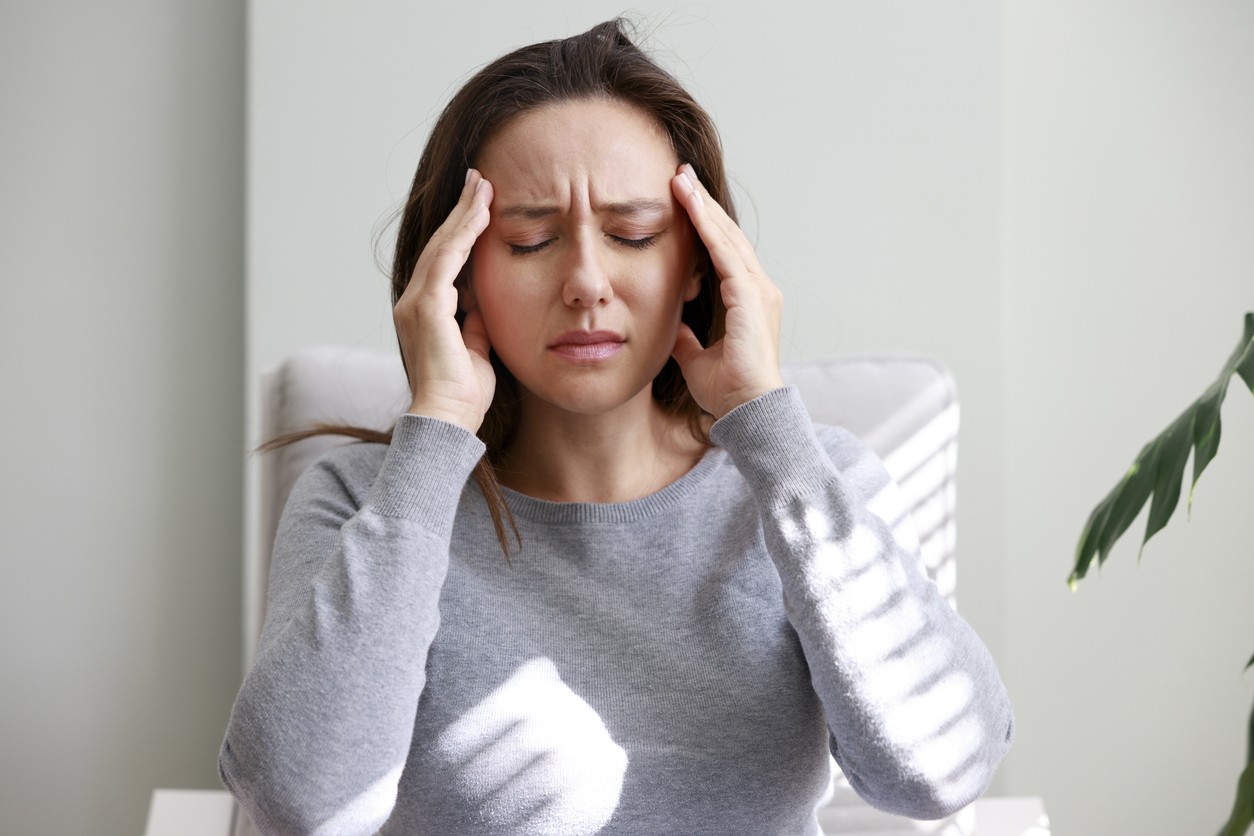
Headaches could be a sign of dehydration. “The throbbing pain you feel in your head, that’s your brain telling you ‘I need water,'” says Mark Bussell, DPT, BS, OCS, via Loma Linda University Health. “Dehydration can lower blood flow and oxygen to your brain, causing inflammation. If you’re feeling discomfort from a headache, try drinking water first. It might be an easier solution rather than taking medication or seeing your doctor.”
2
Hangry? No, Thirsty!

Studies show even slight dehydration can impact mood. “Even mild dehydration that can occur during the course of our ordinary daily activities can degrade how we are feeling – especially for women, who appear to be more susceptible to the adverse effects of low levels of dehydration than men,” says research psychologist Harris Lieberman via UConn Today. “In both sexes these adverse mood changes may limit the motivation required to engage in even moderate aerobic exercise. Mild dehydration may also interfere with other daily activities, even when there is no physical demand component present.”
3
Bad Breath

Not drinking enough water can impact your breath. “Dehydration can give you bad breath,” Marshall Young, DDS, tells CNN. “Saliva has important antibacterial properties. When dehydrated, the decreased saliva in the mouth allows bacteria to thrive, resulting in bad breath.”
4
Low Energy Levels
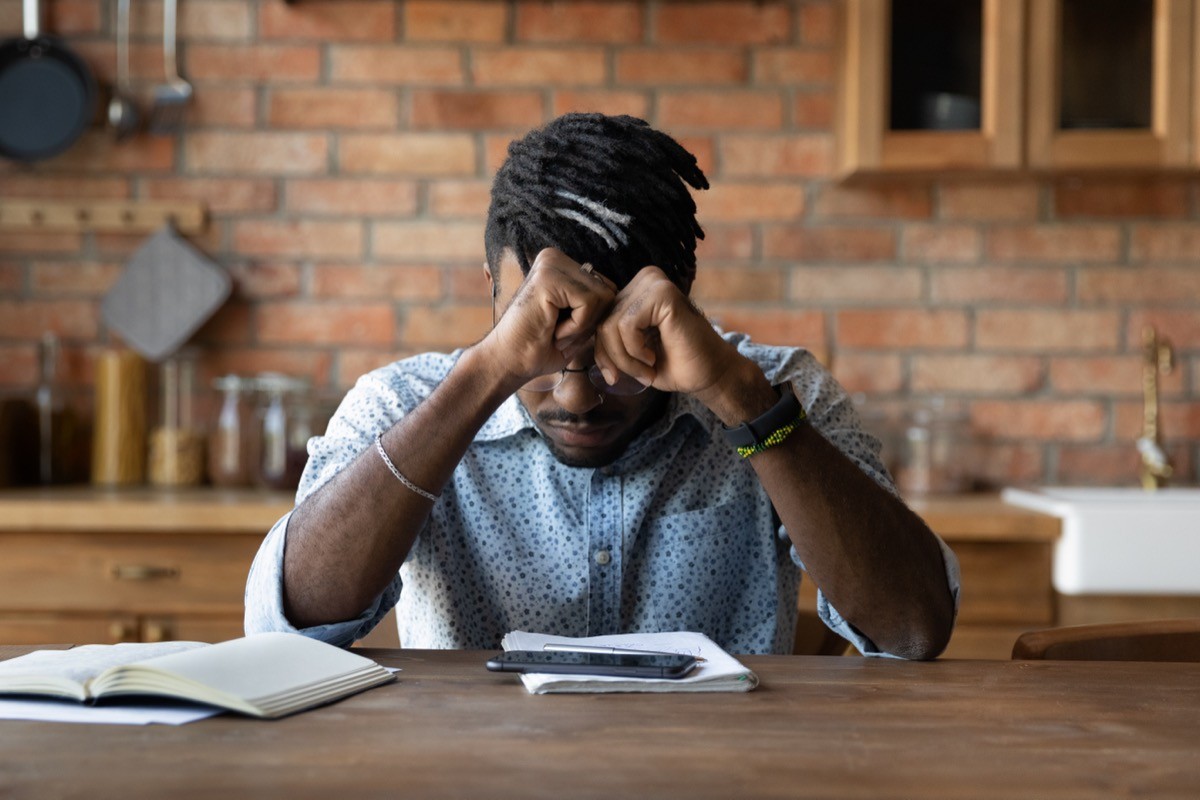
Feeling low-energy could be a symptom of not drinking enough water. “Are you tired? Fatigue? Or lethargic? These may be signs your body is craving water,” says Dr. Bussell. “Your body tends to store energy when dehydrated and decrease blood circulation throughout the body, reducing energy and productivity.”
RELATED: The Tiny Habit That Can Help You Drink More Water.
5
Dry Skin
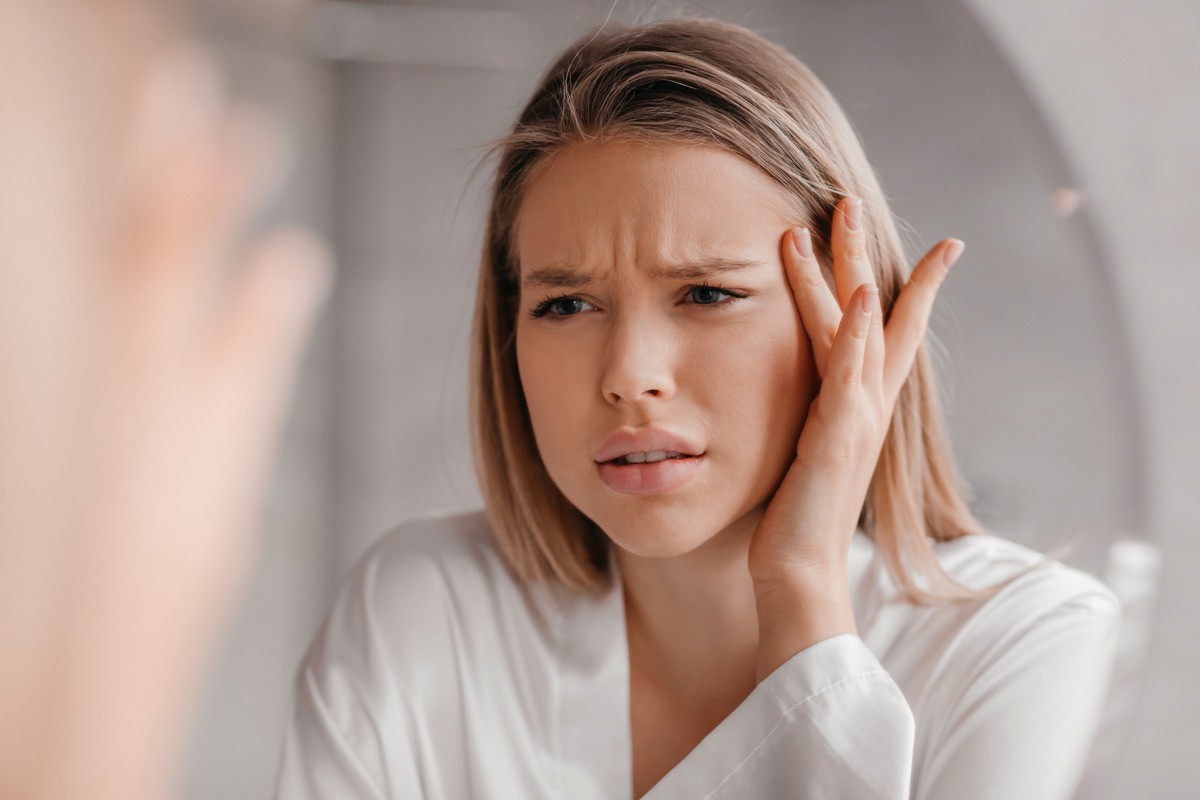
Not drinking enough water can give you dry, dull skin. “It’s best to hydrate from the inside out,” dermatologist Anne Marie Tremain, MD, tells CNN. “Depending on your lifestyle you may need to adjust your water intake.”
6
Poor Workout Performance

If you’re struggling to get through a workout, it could be from dehydration. “A 2% dehydration level in your body causes a 10% decrease in athletic performance,” sports dietitian Amy Goodson, RD, tells CNN. “And the more dehydrated you become, the worse performance gets.”
7
Muscle Cramps
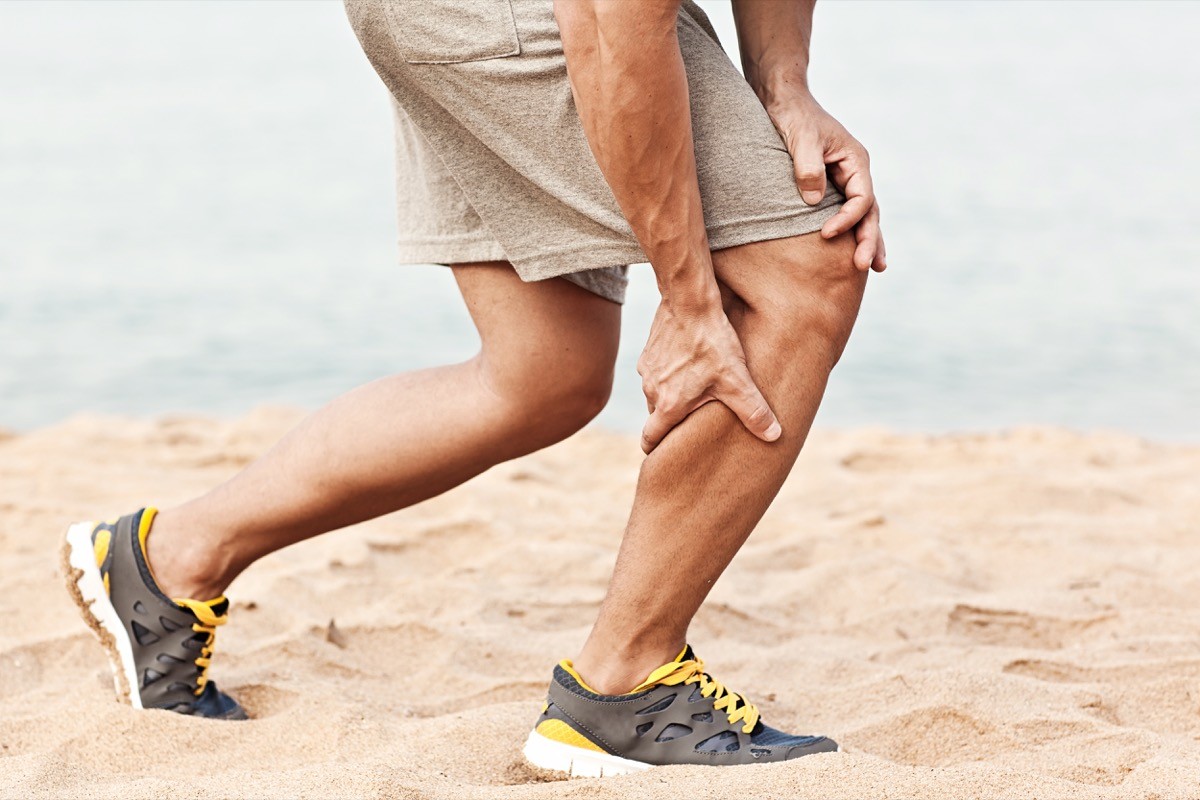
Muscle cramps and joint pain could be a sign of dehydration. “Water plays an integral role in your muscles and joints,” says Dr. Bussell. “It’s important to remember that with less water in the body, muscle mass decreases and causes inflammation or soreness. Similar to your muscles, joints require water to absorb the shock of sudden movements, such as tripping.”