Experts Say Reheating These 7 Leftovers Could Be Dangerous


It’s natural to want to save leftovers to enjoy later—but people can get very sick from not handling them properly. “To ensure that leftovers are safe to eat, make sure the food is cooked to a safe temperature and refrigerate the leftovers promptly,” says the USDA. “Not cooking food to a safe temperature and leaving food out at an unsafe temperature are the two main causes of foodborne illness. Safe handling of leftovers is very important to reducing foodborne illness.” Here are 7 leftovers that could be dangerous to reheat.
RELATED: Experts Warn About the No. 1 Thing to Never Microwave.
1
Eggs
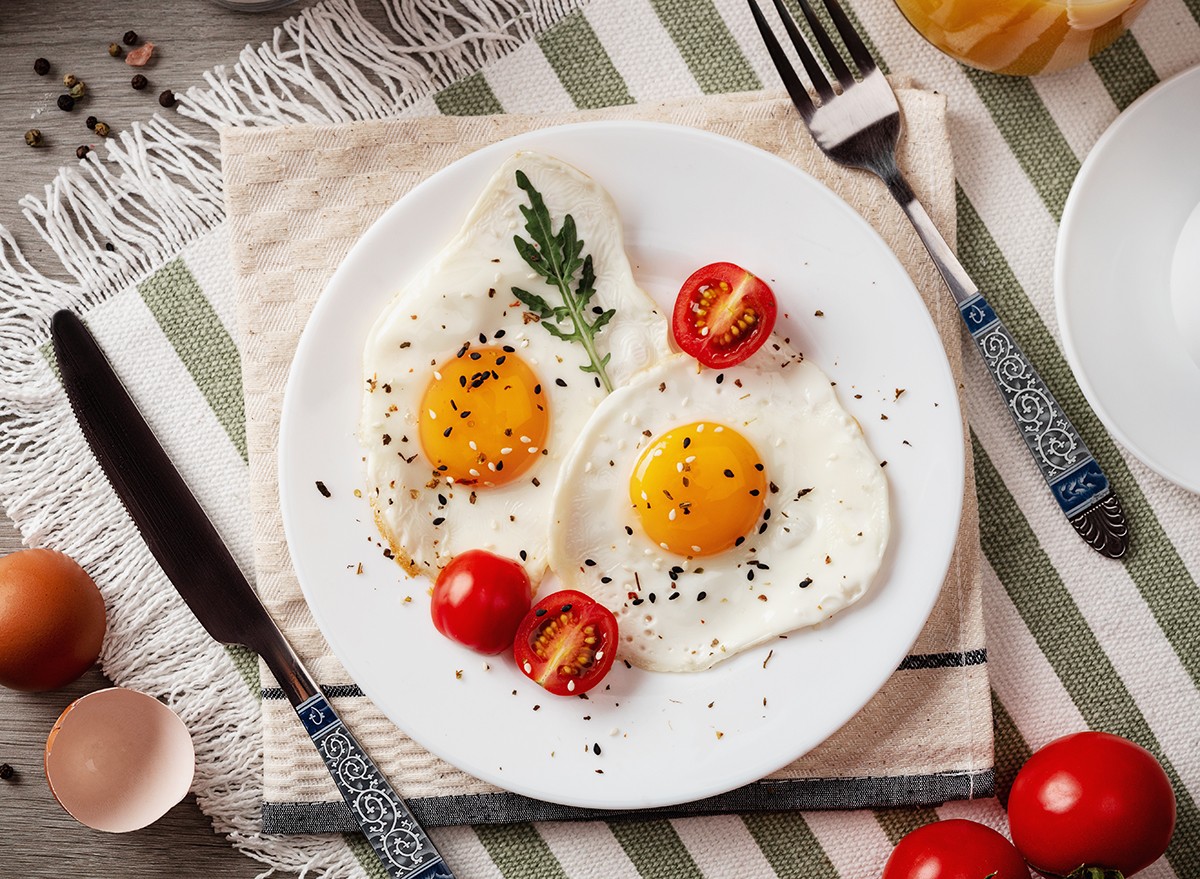
Eggs don’t respond well to being reheated. “Other than the texture becoming rubbery, reheating eggs can be bad for you if reheated too long or multiple times,” chef Robbie Nicolaisen tells Southern Living. “Eggs turn green from overcooking by the nitrogen oxidizing, and therefore can actually make you sick.”
2
Rice

Rice rice contains a toxin-producing bacterium called Bacillus cereus which can make you very sick. “These spores can survive the cooking process and then begin to grow when rice is left at room temperature,” Dr Stacey Duvenage, lecturer in food safety at the Natural Resources Institute at the University of Greenwich in London, tells The US Sun. “This species of bacteria is able to produce a toxin which could lead to food poisoning.”
3
Mashed Potatoes
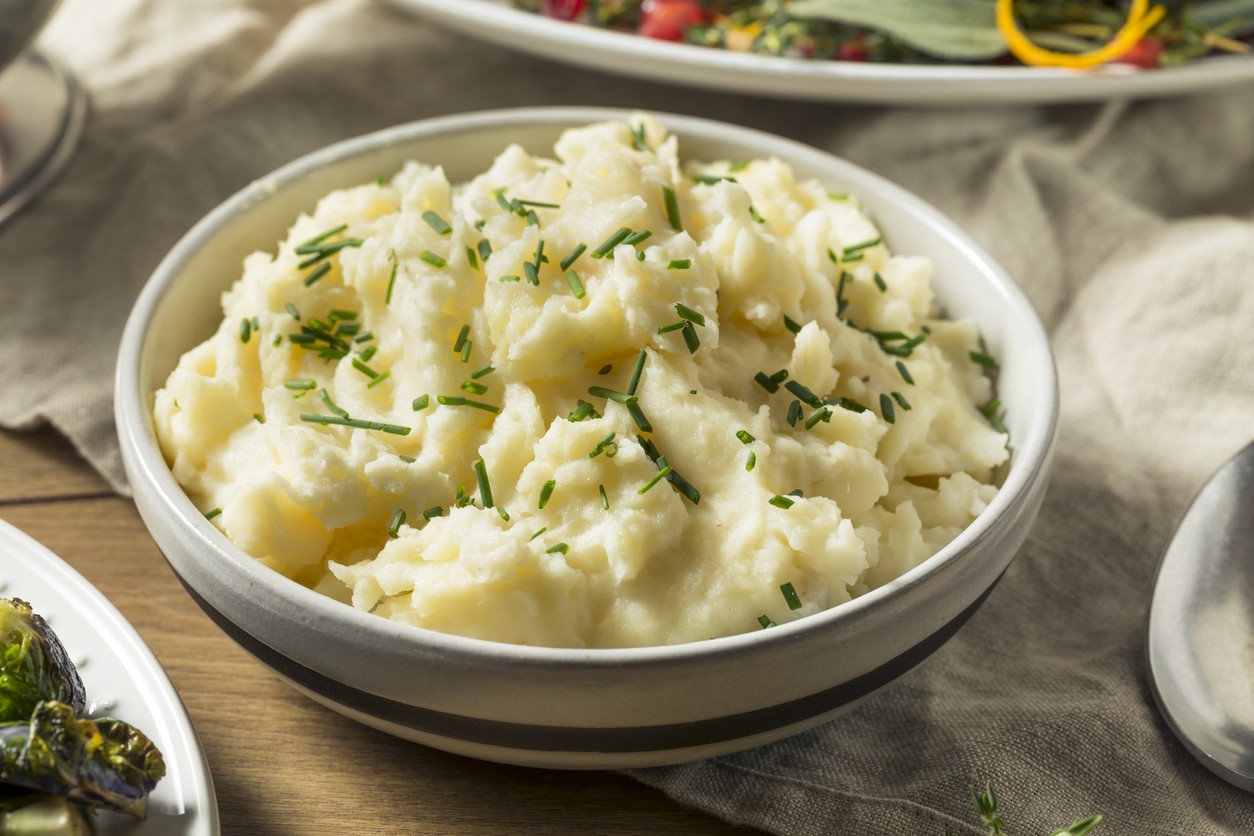
Mashed potatoes can be dangerous if stored and reheated incorrectly. “Make sure you keep it out less than two hours and heat it up until it’s steaming and you stored in the fridge to reduce that risk of food poisoning, especially if you’ve got those perishable ingredients in them like butter and milk or cream,” food safety expert Toby Amidor tells DailyMail.com.
4
Baby Food and Milk
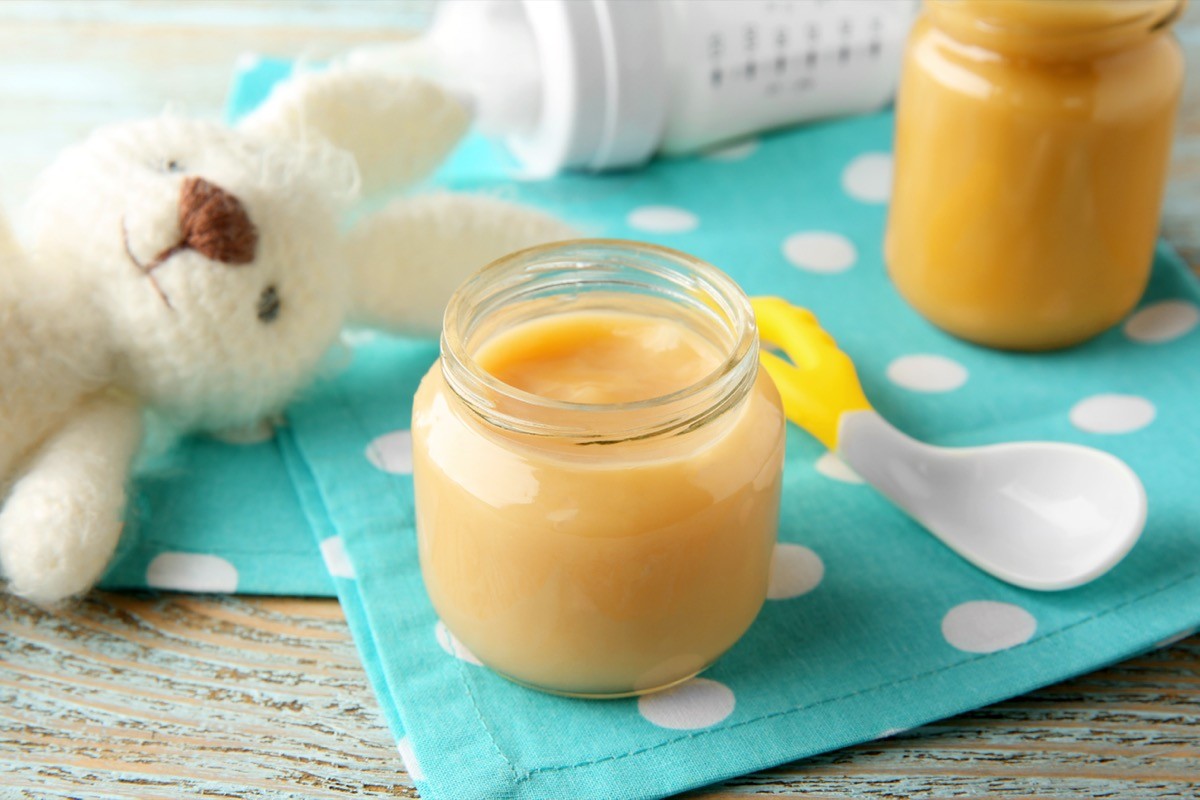
Don’t reheat warm baby milk or food. “If your baby hasn’t finished the whole warmed portion, it could contain bacteria from your baby’s mouth,” Dr Duvenage says. “When baby food is reheated, it may not reach the temperature needed to kill these bacteria, and that could cause foodborne illness. Breast milk and formula should not be reheated because nutrients can be destroyed. Formula should only be reheated if it is stored in the fridge within two hours of preparation. Breast milk can lose its flavour and nutrients when reheating, leading to babies sometimes rejecting the mother’s milk.”
RELATED: 6 Warning Signs There are Microplastics in Your Food.
5
Cold-Pressed Oils
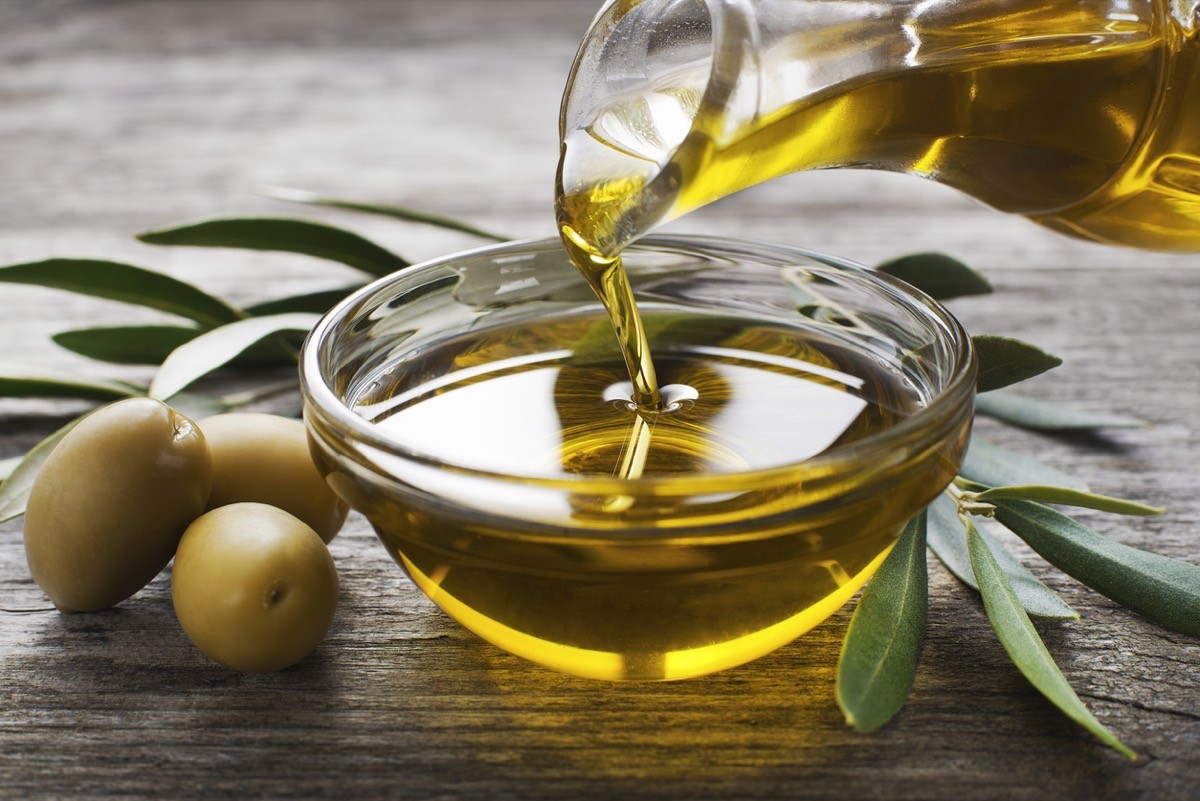
Oils such as flaxseed oil, olive oil, and canola oil should not be reheated. “Heating and reheating foods containing these oils can render them unstable and rancid and therefore, not safe,” food scientist Kantha Shelke, PhD, tells Reader’s Digest Canada.
6
Mushrooms
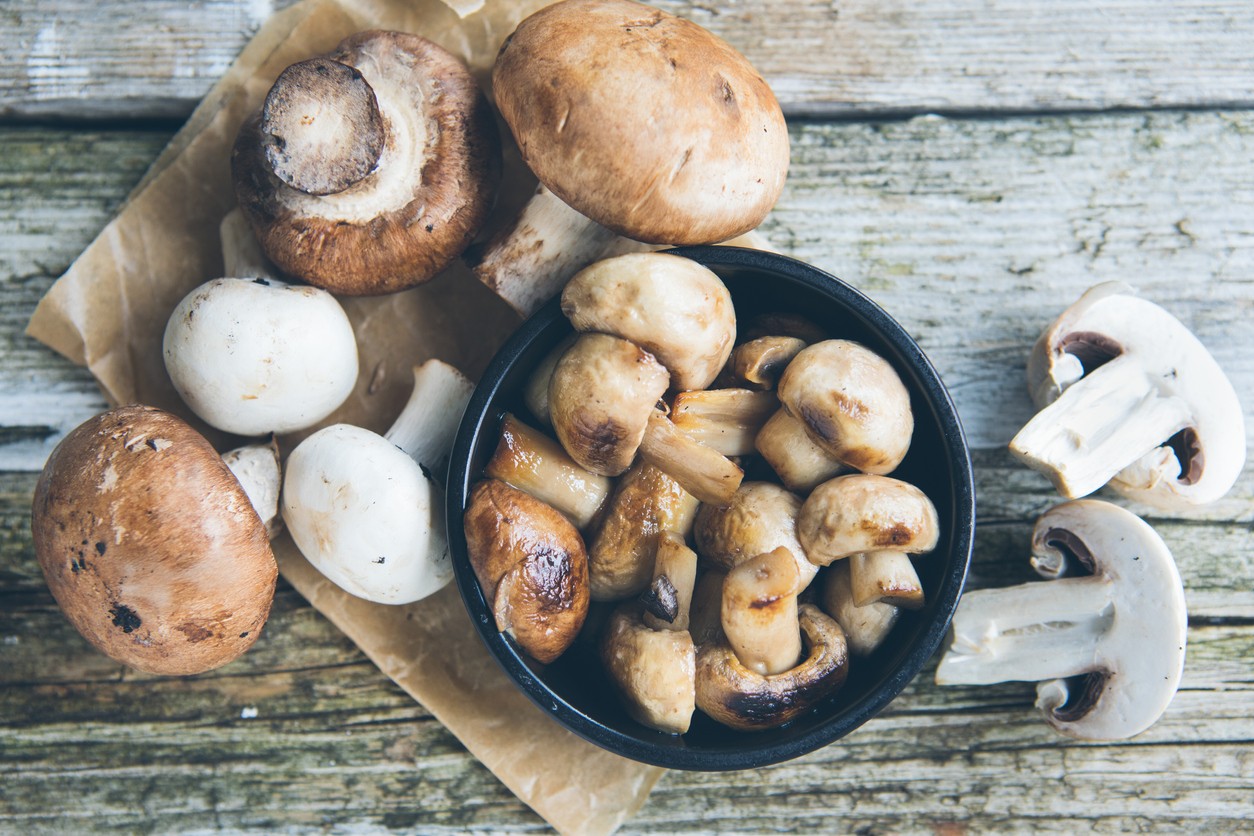
Reheated mushrooms tend to be soggy and could make you unwell. “Similarly to eggs, when proteins are oxidised, they can become carcinogenic [having the potential to cause cancer],” Dr Duvenage says.
7
Spinach
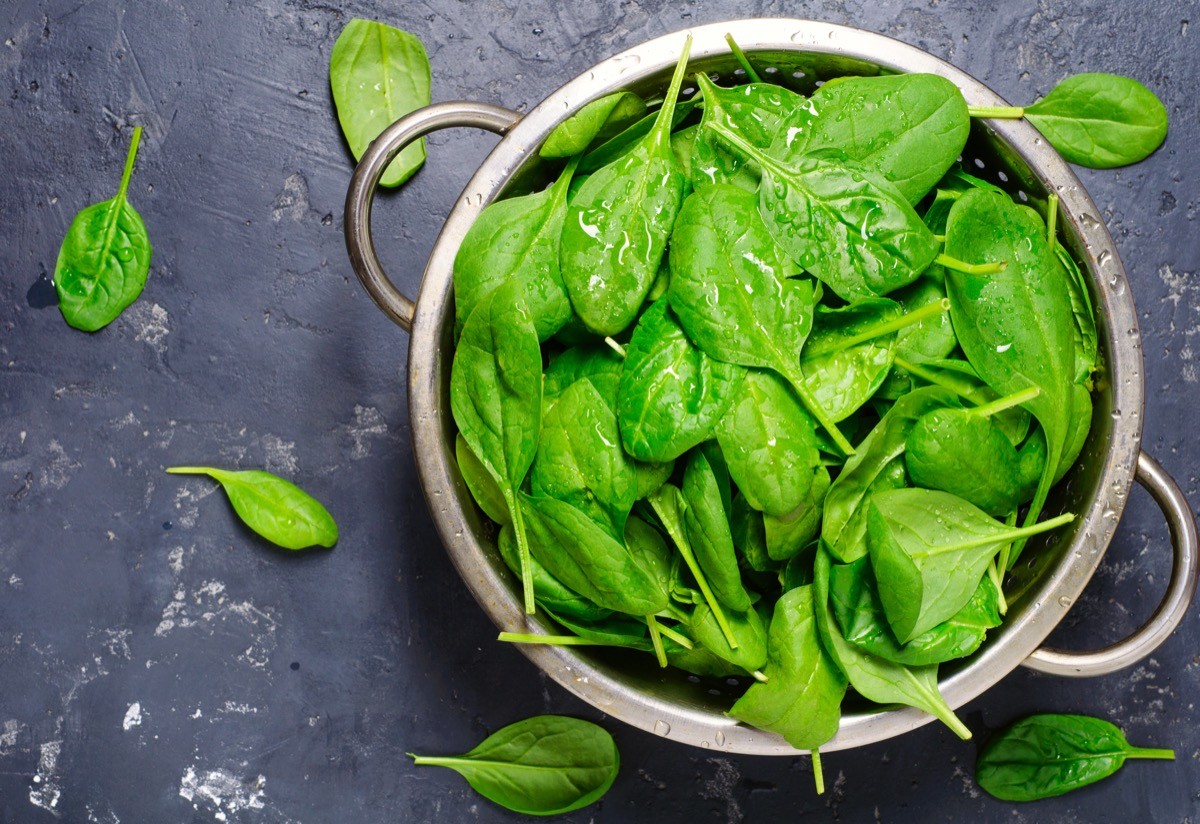
Spinach is best eaten the day of cooking. “Nitrosamines, which are carcinogenic compounds, can form within these vegetables when heated at high temperatures or if reheated,” Dr Duvenage says. The same applies to cabbage.