4 Regions Most Likely to See an Early Heat Wave This May


After what was a particularly brutal winter in much of the U.S., many are excited to finally welcome back spring and the beautiful weather that comes with it. But while most would probably be fine with it being slightly warmer than normal, the idea of a full-blown spike to sweltering temperatures this early might be a little too much, too soon. Now, long-range forecasts are painting a clearer picture of which areas could see significantly hotter conditions in the coming weeks, well before summer even kicks off. Here are the regions most likely to see an early heat wave this May, according to meteorologists and weather data.
RELATED: 3 U.S. Regions Where Winter Will End the Earliest This Year.
1
Southern Plain States
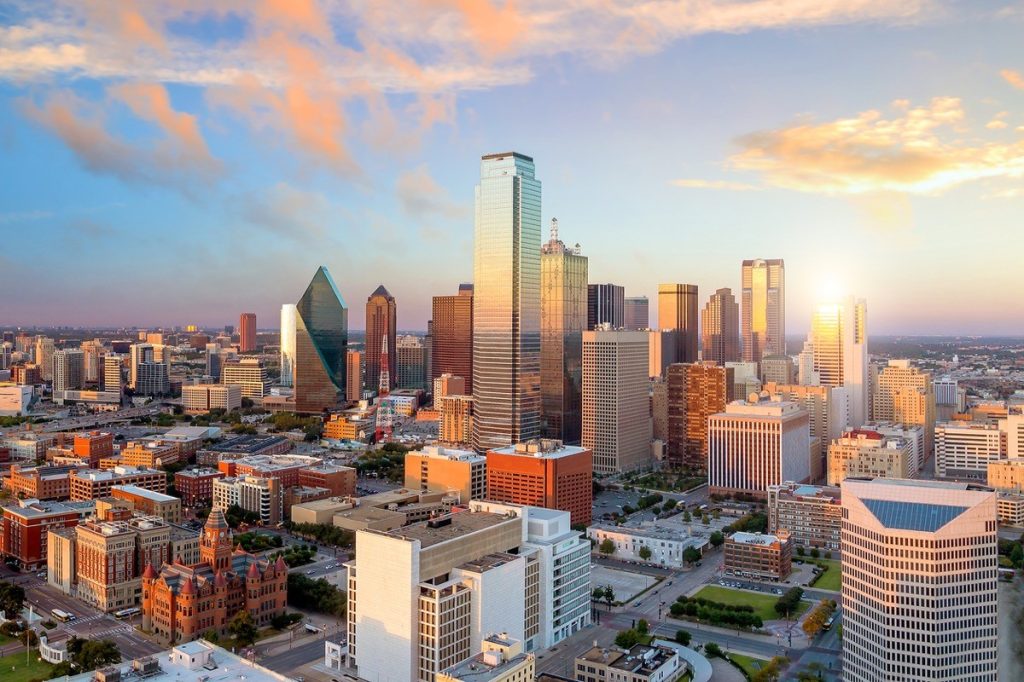
Much of the central U.S. has had to deal with intense storms and extreme weather so far this spring in the form of tornadoes and monster-sized hail, AccuWeather reports. But now, the region could also see a spike in temperatures before the end of the month.
According to the latest long-range forecast temperature outlook from the National Oceanic and Atmospheric Administration (NOAA) for May, states like Oklahoma, Kansas, Nebraska, and Texas have probabilities “leaning above” average temperature norms. The agency’s three-month long-range forecast predicts an even higher probability of warmer-than-average temperatures through July as well, meaning the likelihood of a heatwave might not just be a passing risk.
One of the main reasons for the increased probability of heatwaves in the coming weeks has to do with the favored transition to El Niño conditions, per NOAA. This natural phenomenon refers to warmer-than-average surface temperatures in the Pacific Ocean off the coast of South America that can drastically influence weather patterns across the U.S. and Canada, including precipitation and temperatures.
This won’t be the first time the region has seen extreme heat this year, either. Earlier in March, much of the region experienced a record-breaking heatwave that saw temperatures soar above 100 degrees Fahrenheit, the Weather Channel reports.
2
Pacific Northwest
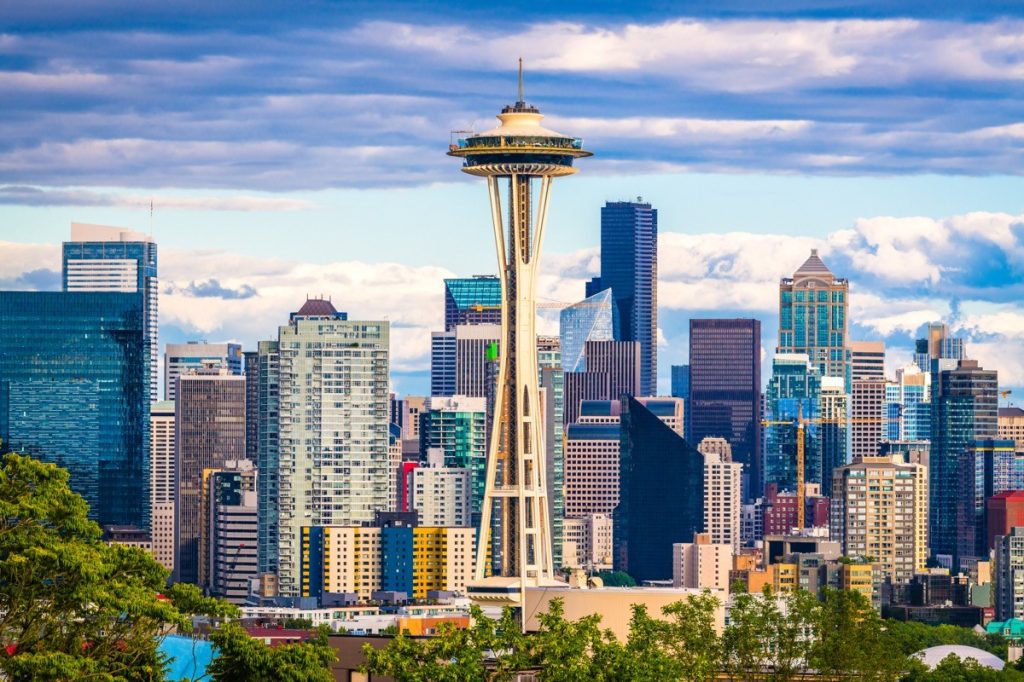
When it comes to this region, the word “could” might already be a foregone conclusion when it comes to heat waves. On May 3, a temperature spike hit from Seattle to Portland, sending temperatures into the mid-90s, FOX Weather reports. This put the mercury 20 to 25 degrees higher than the seasonal average. In fact, much of the Portland metro area enacted a heat advisory as a result of the atypical temperatures.
This might not be the last blast of heat in the coming weeks, either. According to NOAA’s long-term forecast for May, the region has a higher probability of temperatures well above average, especially in areas further inland.
RELATED: Brutal Winter Could Leave Your Lawn With Dead Patches This Spring.
3
Northeast and Mid-Atlantic

With one remarkable mid-April heat wave already under its belt, much of the Eastern Seaboard has already dropped back down to typical (if not slightly cooler) temperatures for the time being. However, data shows this picture could likely change by the second half of the month.
According to the NOAA May outlook, the Northeast is expected to see warmer temperatures arrive before the end of May, Climate Impact Company reports. This is expected to coincide with the potential arrival of El Niño conditions.
The Mid-Atlantic will also share in the temperature spikes due to the weather phenomenon, but there are other factors at play. A lingering drought in the Central Plains states has reduced soil moisture, which typically has a cooling effect on passing air masses, according to Weather on this Day. As drier conditions persist, this could tip the scales in favor of earlier (and potentially longer) heat waves before June even arrives.
4
Desert Southwest
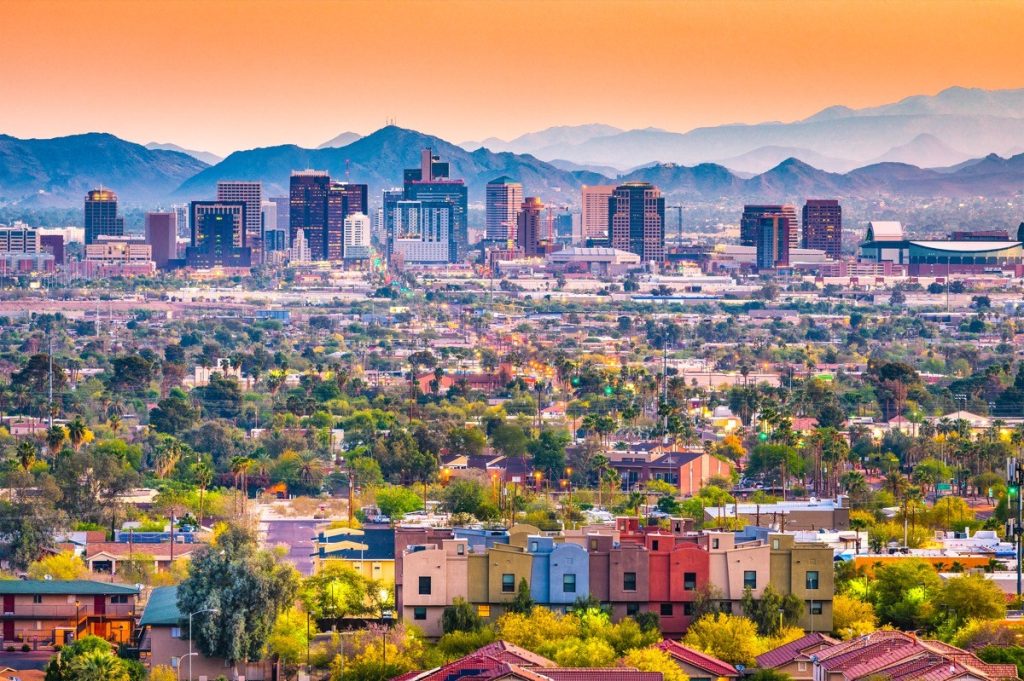
Sure, it might not come as a surprise that one of the consistently warmest parts of the U.S. is likely to see a significant heat wave halfway through spring. But similar to the Central Plains states, the region is also coming off a historically hot March that saw temperature records shattered, CBS News reported. This includes the mercury reaching 100 degrees Fahrenheit in Phoenix at its earliest point in the year since records began over 130 years ago, while cities such as Las Vegas, Denver, Salt Lake City, San Francisco, and Los Angeles all set monthly records.
But besides the early start, the region is poised for even more warmer weather in the weeks to come. Part of this has to do with a persistent heat dome sitting over the region, while a marine heat wave off the California coast also keeps temperatures high (including overnight), according to Climate Impact Company. Combined with a historically low snowpack from a balmy winter that will leave rivers and lakes less full than usual, it’s likely the region will see sustained heat through the rest of the month, per FOX Weather.