Experts Say This Little-Known Green Tea Is a Health Superstar (And It’s Not Matcha)


Move over, matcha—there’s a new “it girl” in town and her name is hojicha. Matcha has been around for decades, but rose to prominence in the last few years thanks to health-conscious celebs like Gwyneth Paltrow, and, of course, Starbucks. Now, you can’t walk into a coffee shop without seeing some iteration of a matcha latte or matcha lemonade on the menu.
Best Life previously reported that matcha can reduce inflammation, boost brain function, aid with weight loss, and even prevent some cancers. But now, hojicha is becoming all the rage—and for good reason, too. Keep reading to learn how this Japanese green tea is giving matcha a run for its money.
RELATED: If You Drink Green Tea for 2 Weeks, You’ll Notice These 5 Changes, Gastroenterologist Says.
What is hojicha?
Hojicha is the lesser-known cousin of matcha.
In Japanese culture, hojicha is a favorite among children and the elderly because of its “soothing qualities and low acidity,” as well as its “low caffeine content,” explains Japanese Greentea Co. While traditionally served in beverage form, it’s also used in baked desserts, ice cream, and savory dishes.
“Hojicha is made from Bancha tea leaves, and sometimes it may be sourced from Kukicha twigs or Sencha leaves. It is grown in Japan and is roasted at very high temperatures. This technique is why Hojicha has a reddish-brown color as well as a nice, umami flavor and aroma,” says the company.
What are the health benefits of hojicha?
Hojicha is notably more “gentle on the gut,” Rhian Stephenson, nutritional therapist and founder of supplement company Artah, told British Vogue. It’s lower in antioxidants compared to matcha, but still offers a host of health benefits.
“Hojicha still contains L-theanine, which can help to ease the nervous system and reduce anxiety, plus it’s lower in caffeine, which makes it a more calming way to support energy,” said Stephenson.
The Japanese green tea also has catechins and polyphenols, which have been “observed to lower LDL cholesterol levels—often referred to as ‘bad’ cholesterol—and improve the function of blood vessels,” further explained nutritional therapist Farzanah Nasser.
Research also shows that catechins can reduce liver fat, increase metabolism, lower the risk of dementia, and even help ward off certain cancers.
Additionally, some experts consider hojicha to be a healthier alternative to coffee. “If anything, hojicha is known to have fewer side effects than its counterparts with higher caffeine, such as coffee,” Stephenson pointed out.
The Japanese Greentea Co. refers to hojicha as “a natural cleansing and detoxifying agent” due to its ability to “flush out unwanted and even harmful free radicals from the body.”
RELATED: 9 Best Weight-Loss Teas, According to Nutritionists.
How hojicha measures up to matcha:
Although they are both Japanese green teas, hojicha and matcha are very different.
“Matcha is a Japanese green tea, like sencha, that’s been stone-ground,” explained Tristan Niskanen, a barista at the Brooklyn-based tea shop Nippon Cha, in an interview with VinePair. “Hojicha is a Japanese green tea that’s been charcoal roasted.”
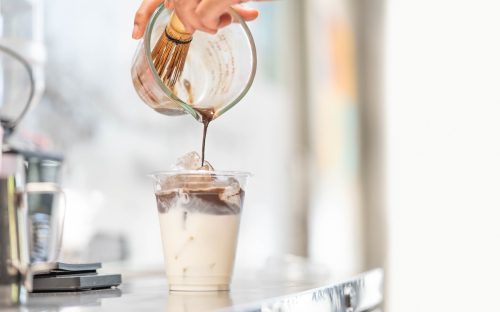
Pure matcha can only be found in powdered form, whereas hojicha can be both a powder and a loose-leaf tea. Moreover, matcha is usually added to other beverages, like lemonade, or made with just water (or very little milk), while hojicha can be turned into a latte like you would espresso.
Their flavor profiles also vary. According to Niskanen, “Hojicha has a more umami, smoky flavor. It’s a little sweeter than matcha.”
Matchado is a Japanese café located in London, established by Hiromi Matsunobu. In a Financial Times interview, Matsunobo expanded on the teas’ differences.
“Matcha and hojicha come from the same tea plant, but they offer completely different flavour experiences,” he explained. “While matcha is vibrant and grassy, hojicha has a naturally sweet, nutty flavour with a gentle smokiness and subtle caramel notes. It’s a comforting, nostalgic flavour for many in Japan.”
Hojicha also contains less caffeine than matcha, making it a more appealing afternoon treat. The Financial Times reports that hojicha has already made its Starbucks menu debut at some Japanese locations.
“We are definitely seeing more interest in hojicha, and we predict it will be a trend in the coming months,” said Alice Evans, director of tea at Canton Tea.
- Source: Green tea with high-density catechins improves liver function and fat infiltration in non-alcoholic fatty liver disease (NAFLD) patients
- Source: Green tea consumption and cerebral white matter lesions in community-dwelling older adults without dementia
- Source: Beneficial Properties of Green Tea Catechins