The #1 Plant to Put in the Ground This April for Fast Spring Color

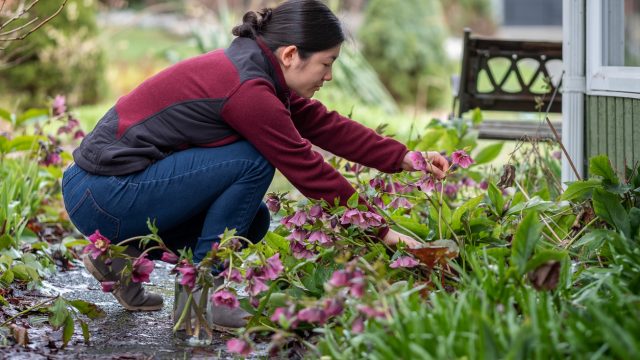
A lot of the lawn work that comes with spring involves taking care of what you already have, especially after a particularly brutal winter. But for those ambitious green thumbs, the return of growing season also presents an opportunity to get in some new plants that will really make your garden pop early in the year. That’s right: Even if you didn’t plan ahead last summer or fall, hellebores are among the best last-minute options, offering a quick payoff in vibrant color. Here’s what you need to know about the plant you should put in the ground this April for some fast spring color.
RELATED: The #1 Tree Experts Say Is Best for Backyard Privacy Year-Round.
What are hellebores?
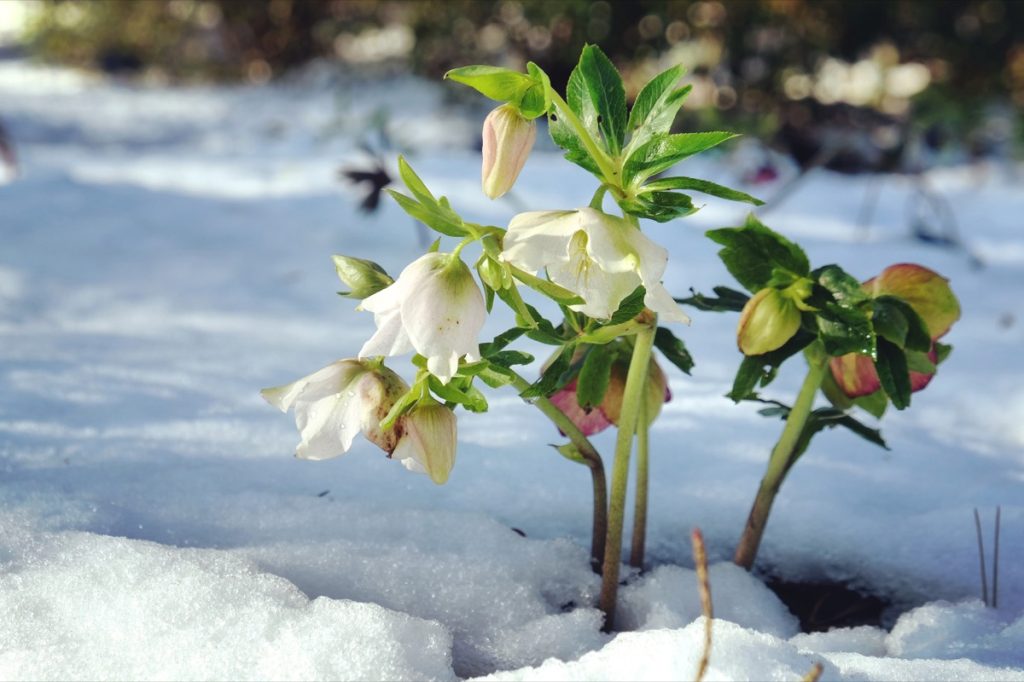
When it comes to spring flowers, everyone’s mind tends to jump to the daffodils and tulips that are among the first bits of color to push their way up through the ground. But if you didn’t get around to planting those bulbs last autumn, hellebores are your last-minute option to bring some early life to your garden as soon as this year.
Also known as the “Lenten rose,” Helleborus orientalis is a hardy perennial originally native to Eurasia, according to the Brooklyn Botanical Garden. The species gets its name from its habit of blossoming in early spring, which typically coincides with the Christian observance of the lead-up to Easter.
Why are hellebores good for spring planting?
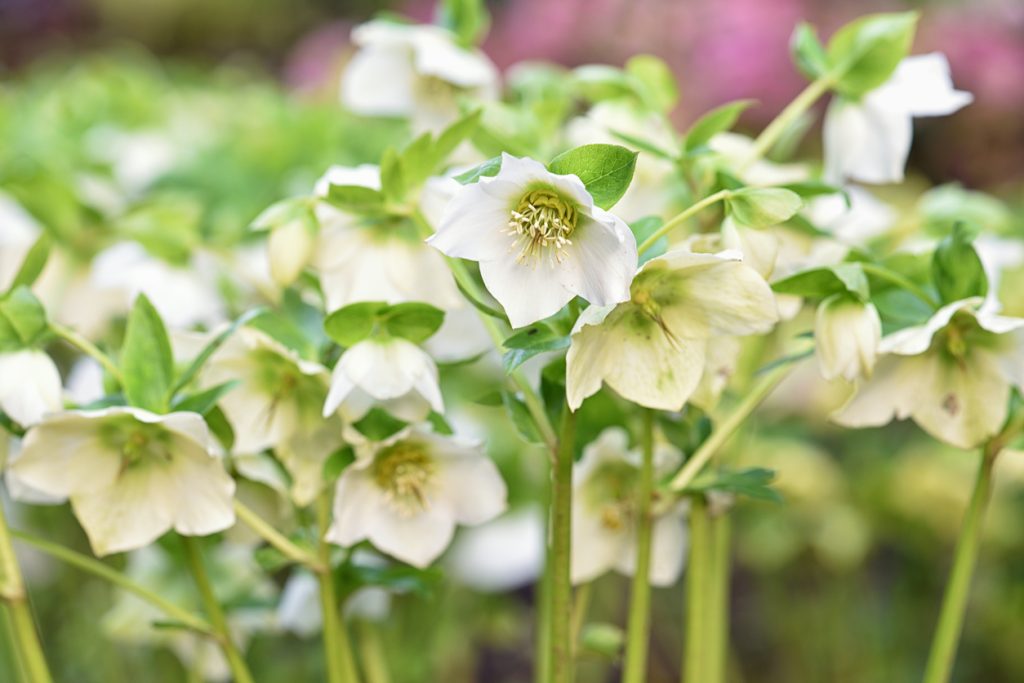
Even as an import, the Lenten rose is quite adaptable to much of the U.S., suitable for cold climates and performing quite well through Zones 4 and 5. But where this plant really stands out is its ability to perform during the chillier months when most other specimens remain mostly or fully dormant. By late winter and the earliest bits of spring, the plant begins to blossom with impressive flowers, often just before or right around the same time as daffodils, tulips, and other bulbs.
“The cup-shaped blooms come in a wide range of colors, from white to nearly black, and in solid, speckled, and striped patterns,” Janet Loughrey of Garden Design previously told Best Life.
Once they’ve opened, the flowers stay in bloom for a month or more before they dry and are replaced by thick, green foliage. The bonus here is that you can likely expect that color to stick around.
“The foliage remains green year-round except for in colder zones,” Loughrey told Best Life.
RELATED: What Is Mulch, and How Can It Transform Your Garden Into a Paradise?
How should I plant hellebores?
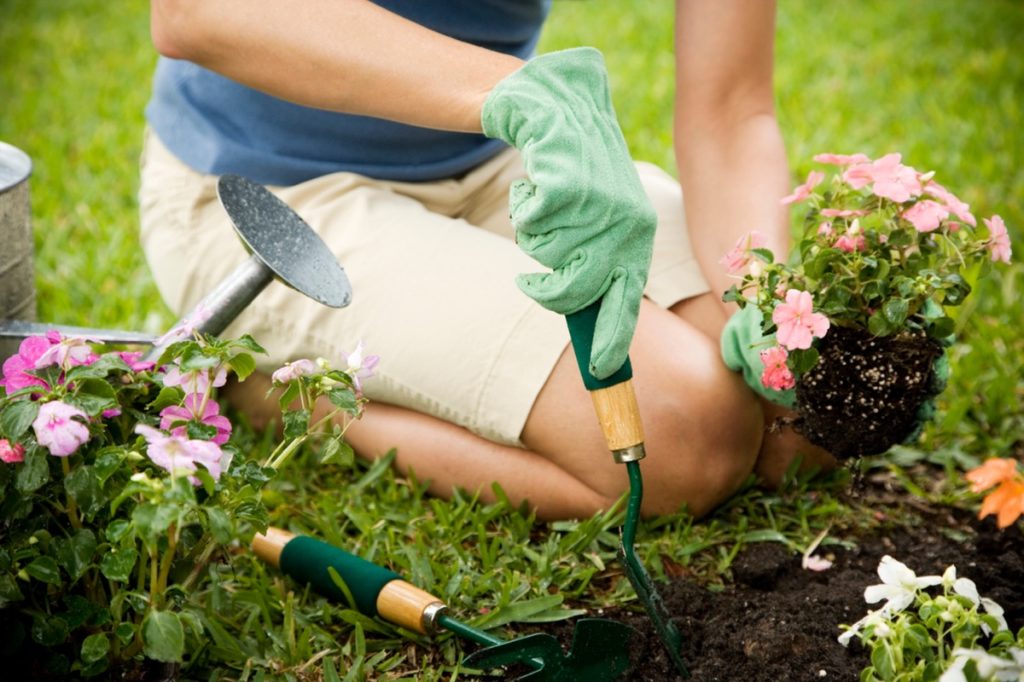
In terms of timing, you’re fine to pick up the trowel and start planting hellebores in early spring to take full advantage of those early flowers. Try to pick a spot that receives partial shade (even though places that get full light during the winter when trees shed their leaves are fine, too). Just make sure it’s in a spot that receives direct sunlight for less than half the day during the hot summer months, according to Southern Living.
If you’re bringing multiple plants into your garden, you can also bunch the flowers into groups of up to half a dozen and space each cluster about a foot and a half to two feet apart. Make sure the area has good soil drainage, too!
While they require plenty of water right after being planted, another perk of Helleborus orientalis is that it hardly requires any extra maintenance for the rest of the typical growing season. Of course, this changes during periods of intense heat or drought, so be sure to give them plenty of water when the mercury rises or the weather dries out, per Southern Living.
What else should you plant in spring for early color?
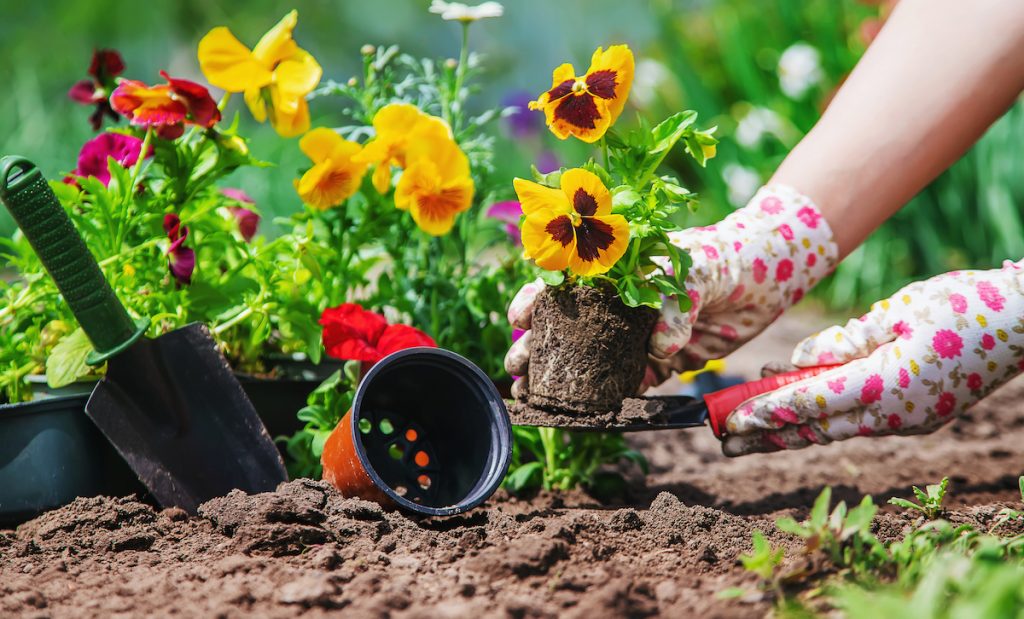
Of course, hellebores aren’t the only options for spring planting that can get your garden looking lively before the season really kicks off. Flowers like pansies and violas can be planted in the ground by March for colorful flowers, and creeping phlox and bleeding heart can be planted as late as early April, according to Gardenia.net.