3 IRA and 401(k) Rules Quietly Changing in January

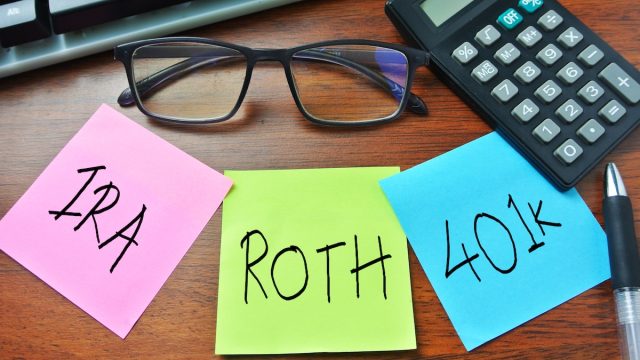
When you’re planning for your senior years, even small changes to Social Security, taxes, or Medicare can have an outsized impact on your finances. Of course, this is especially true of your retirement account, even if you’re still contributing to it. And as a new year kicks off, there are a few significant differences you might want to be aware of so you can plan accordingly. Read on for the IRA and 401(k) rules quietly changing this month.
RELATED: 4 Social Security Changes Going Into Effect in January.
1
Retirement contribution limits are getting updated.

Most people strive to put away as much as possible in their 401(k) and IRA to prepare for their life after leaving the workforce. But if you’ve been maxing out your contributions, you’ll now be able to start tucking away a little bit more.
In an announcement on Nov. 13, 2025, the IRS raised the annual limit for 401(k) contributions by $1,000, going up from $23,500 in 2025 to $24,500 for 2026.
There’s also been a slight increase in the amount that you can put into your Roth IRA account each year: As of 2026, the limit has been raised from $7,000 to $7,500. This amount is even higher for older individuals under the catch-up rule, which allows individuals 50 and older to contribute up to $8,000 annually to their Roth IRA, up from $7,500 in 2025.
The agency also changed the levels at which these contribution deductions are phased out. This year, the range for single taxpayers with a workplace retirement plan has gone up to between $81,000 and $91,000, which is an increase from between $79,000 and $89,000 in 2025.
For married couples (if the spouse is covered by a retirement plan provided by their employer), this range is now $129,000 to $149,000, up from $126,000 to $146,000 in 2025.
RELATED: 3 IRS Changes That Could Affect Your Tax Refund This Year.
2
Roth IRA catch-up contributions are shifting.
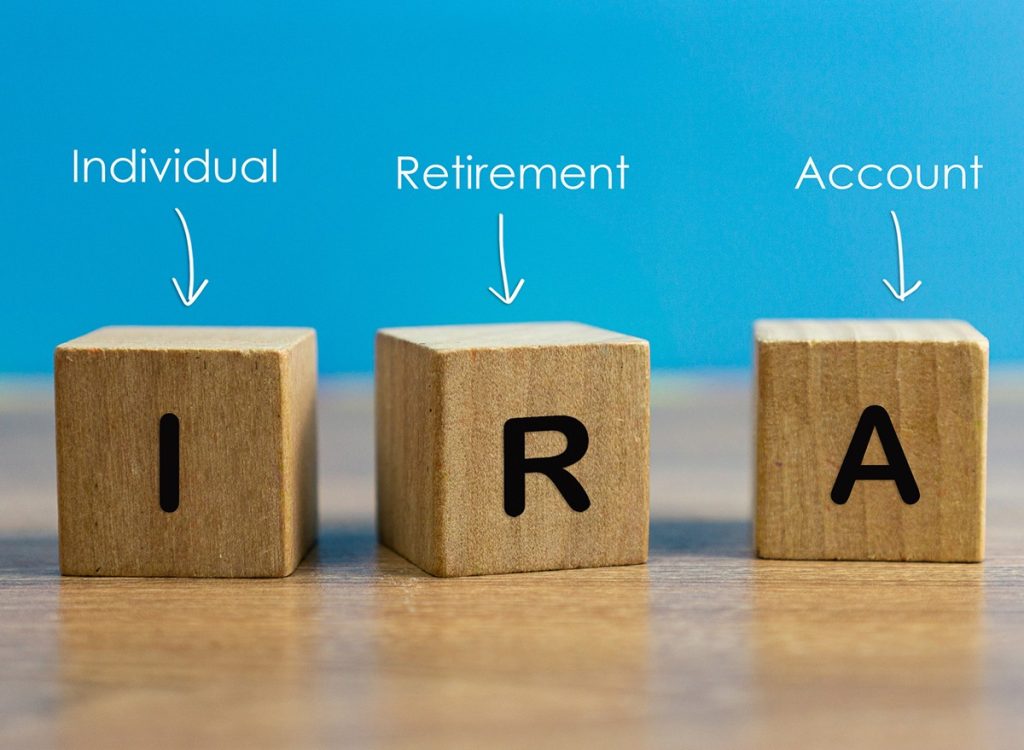
The SECURE 2.0 Act, which was passed into law at the end of 2022, set a series of changes in motion that are now coming into effect. This year, it includes slight changes to Roth IRA catch-up contributions (some of which were previously mentioned). But besides new amounts, this year also changes how you stash your funds.
Beginning now, anyone 50 or older who earns more than $150,000 the previous year will need to place all catch-up funds into a Roth IRA fund in after-tax dollars, according to Fidelity. This means that anyone above that threshold who was previously using a pre-tax plan will need to change their accounts. Of course, the new rule does not apply to anyone who earns less than that limit.
RELATED: 10 Secrets That Can Help You Retire Early, According to Experts.
3
Required minimum distribution rules are changing.

Retirees with an IRA, 401(k), or other type of account likely know that the IRS has had a Required Minimum Distribution (RMD) rule in place that requires people to take withdrawals starting at age 73. This is in place so that the agency will be able to collect revenue on the saved money at some point, according to The Motley Fool.
But depending on what type of account you use, you might not need to worry about this detail going forward. As of 2026, anyone with a 401(k) plan or Roth 403(b) plan no longer has to take an RMD each year.
However, they specify that while RMD rules do not apply to living Roth IRA and 401(k) holders, they do come back into play once the holder passes away and the account is inherited.