4 Areas Where Summer Will Arrive Earlier Than Usual

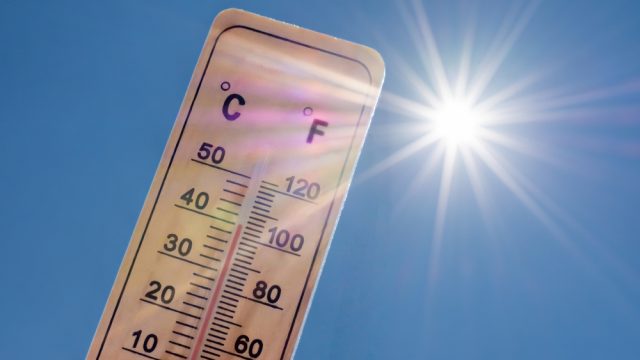
The run up to summer can be filled with fits and starts, when it’s almost normal for an early heat wave to transition into a late cold snap. But as we’ve all experienced at one point or another, spring can feel pretty fleeting some years as that hot and humid weather settles in slightly ahead of schedule. So, what does it look like for 2026? According to data and long-term forecasts from meteorologists, a clearer picture is beginning to emerge as to which places could see seasons switch sooner. Here are the areas where summer will arrive earlier than usual.
RELATED: Brutal Winter Could Leave Your Lawn With Dead Patches This Spring.
1
The Pacific Northwest
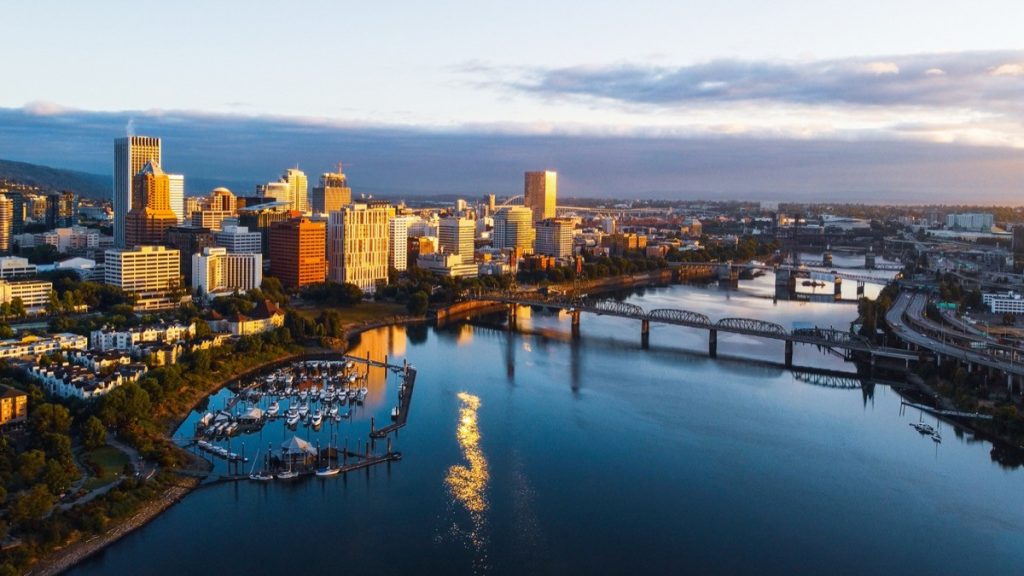
Based on recent events, it might already feel like spring has all but finished for Oregon, Washington, and Idaho. The area saw a significicant heat wave hit on the weekend of May 3, with cities like Portland watching temperatures rise into the mid-90s—or about 20 to 25 degrees above the seasonal average, FOX Weather reported.
However, this might not be the last blast of heat in the coming weeks, either. According to the latest long-range forecast temperature outlook from the National Oceanic and Atmospheric Administration (NOAA) for May, the region has a higher probability of temperatures well above average, especially in areas further inland.
Climate and forecast data for the agency also shows that the Northwest will see this heat carry on, with June slated to be 3 to 4 degrees Fahrenheit above average, Climate Impact Company reports. Part of this comes from the fact that the region is coming off one of the warmest winters it’s experienced in decades. Meteorologists also predict that a stubborn high-pressure ridge could settle in over the region through most of next month, which could keep the unseasonably warm temperatures in place right through the summer solstice.
2
The Mid-Atlantic
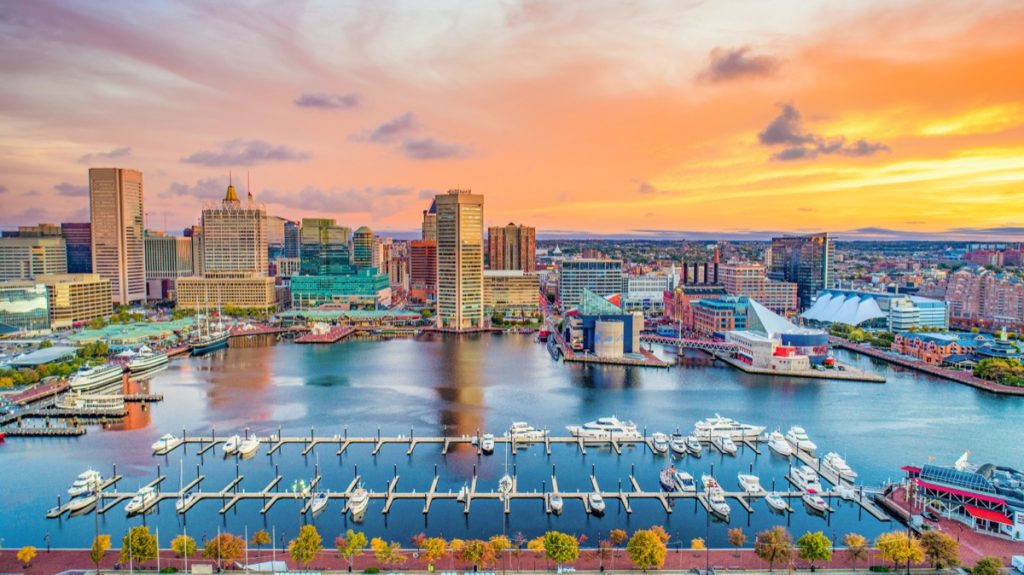
The Pacific Northwest isn’t alone when it comes to facing earlier-than-usual warm temperatures. The central Eastern Seaboard has also seen a balmy spring settle in, which makes sudden spikes to summer-like heat much more likely in the coming weeks, according to Weather On This Day.
But there’s also something much bigger at play that could tip the scales. One of the main reasons for the increased probability of an early summer for the region has to do with the favored transition to El Niño conditions, per NOAA. This natural phenomenon refers to warmer-than-average surface temperatures in the Pacific Ocean off the coast of South America that can drastically influence weather patterns across the U.S. and Canada, including precipitation and temperatures.
This development has affected NOAA’s three-month long-range forecast, which shows an increased probability that the Mid-Atlantic will see temperatures “leaning above” or “above” seasonal norms through July, too. Make sure you’ve got that air conditioner ready!
RELATED: Brutal Winter Could Leave Your Lawn With Dead Patches This Spring.
3
The Southeast
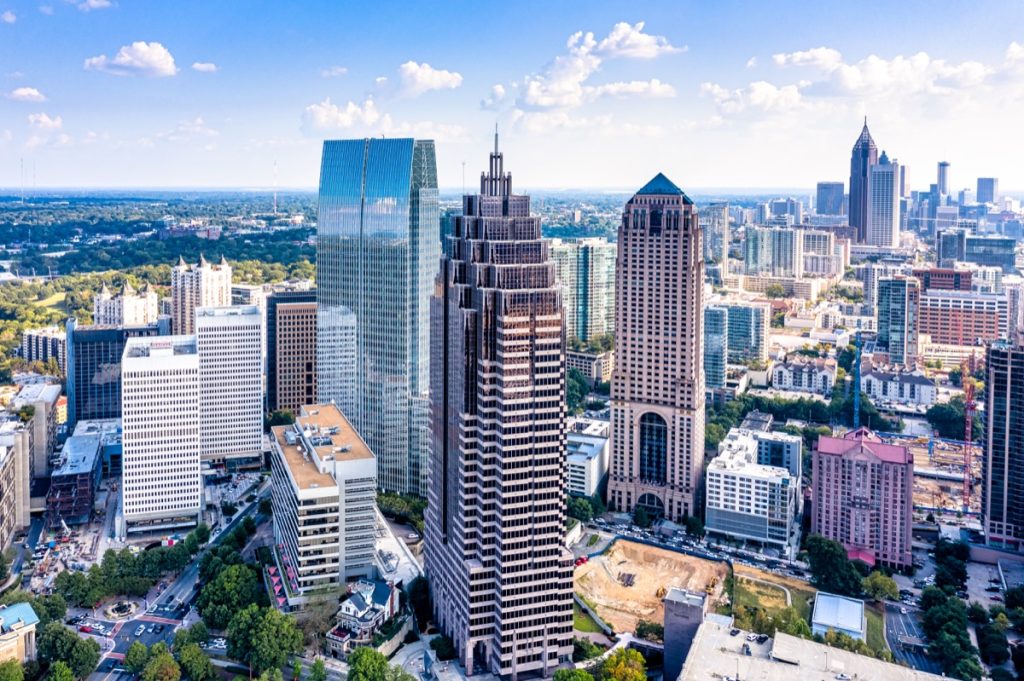
Weather patterns are typically interrelated, and that’s what’s playing out in the Southeast right now. The region has been stuck in a record-breaking drought since last fall, which is only expected to get worse in the coming weeks, accoridng to AccuWeather. This has the effect of drying out soil, which in turn reduces the evaporative cooling effect that can keep spiking temperatures in check.
Other outlooks have also predicted a jump-start on summer. According to the Farmer’s Almanac, the Southeast can likely expect warmer temperatures to arrive in early-to-mid June and a “hotter” than average season overall, with the northern and southern parts of the region seeing a drier and wetter summer thereafter, respectively.
4
The Soutwest
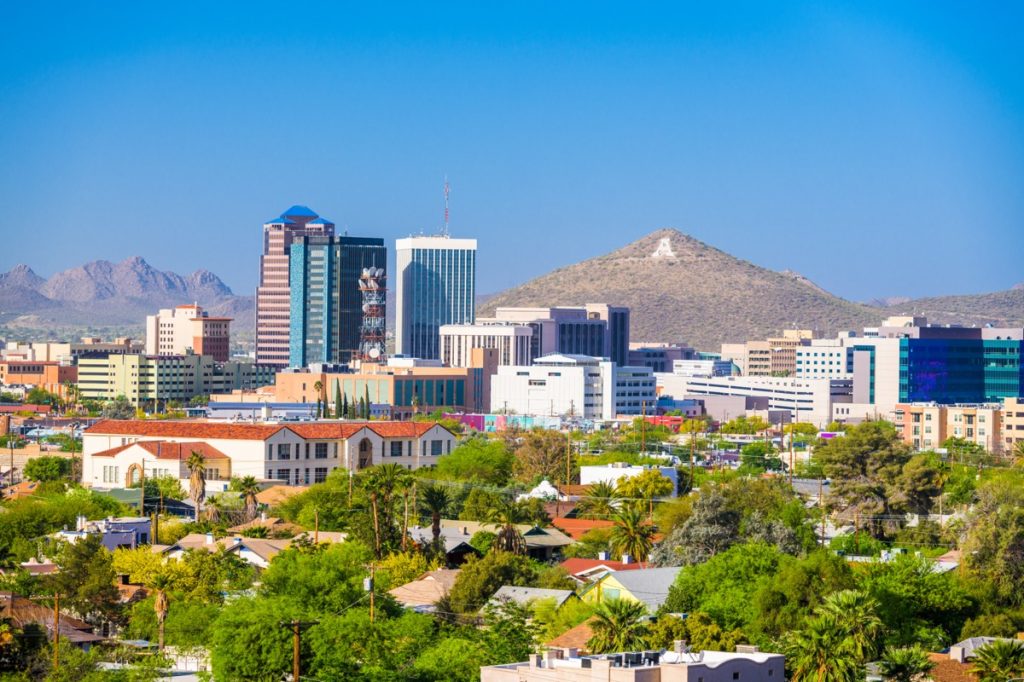
The situation on the other side of the southern U.S. is somewhat similar. A balmy winter out west has drastically decreased snowpack in the region, which has in turn decreased the cooling effect typically seen through spring, per Drought.gov.
This has already been seen in effect, with the region is coming off a historically hot March that saw temperature records shattered, CBS News reported. This includes the mercury reaching 100 degrees Fahrenheit in Phoenix at its earliest point in the year since records began over 130 years ago, while cities such as Las Vegas, Denver, Salt Lake City, San Francisco, and Los Angeles all set monthly records. In fact, Yuma, Arizona, broke national March records by hitting 109 degrees, per Weather On This Day.
Forecasts concede that the annual monsoon rains that arrive in the region heading into summer could help with cooling, but this may not arrive until late June, per AccuWeather. Still, the hotter and drier spring has also put the Southwest at increased risk for wildfires in the weeks to come.