4 Common Yard Mistakes That Can Kill Your Lawn Over Winter


Just because winter is approaching doesn’t mean your garden duties are totally over. There are plenty of plants to prune, get into the ground for spring, or otherwise protect for the colder months ahead. But if you’re looking to start spring off on the right foot, there are a few surprisingly damaging things you’ll want to avoid doing. Read on for the common yard mistakes that can kill your lawn over the winter.
RELATED: 3 Plants You Should Prune Before Winter Begins.
1. Mowing your grass too short.
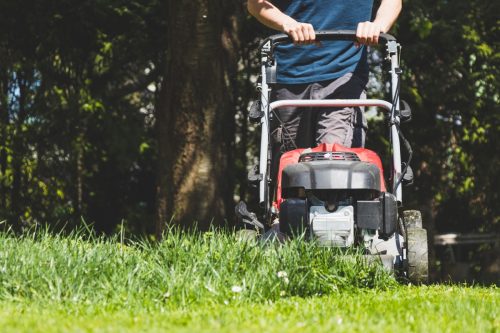
If you’re giving your grass one final trim before packing it in for the winter, you might want to hold back on taking too much off the top.
Like other plants, grass enters dormancy once temperatures are consistently cool (in most cases, 50 degrees Fahrenheit or below) and begins to grow more slowly, according to the lawn care company TruGreen. This means you should ideally cut your grass down gradually instead of taking too much off at once, which might force it into shock from increased root exposure to cold temperatures (or allow heartier weeds more access to sunlight that helps them grow).
So, how much should you cut it back? According to LawnStarter, the “one-third rule” says you should take off the top one-third of the grass once it grows 50 percent taller than your ideal height.
This process offers a few extra benefits for your yard’s dormant season, including reducing the likelihood of rodent infestation, lowering the risk of winter fungal infections like “snow mold,” and helping new grass grow faster in the spring.
RELATED: 5 Plants You Should Move Indoors Before Winter.
2. Not raking up leaves.
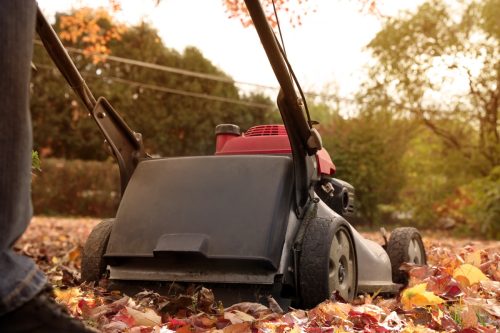
It’s surprising how quickly the joy of looking at fall foliage can melt away when you have to start picking up after the trees. But while raking and leafblowing might be some of the more frustrating chores, they’re essential for lawn health over the colder months.
While there are some who argue that letting leaves lie for the winter can help provide some insulation against frost and hard freezes, the reality is that all of that accumulating dead foliage is creating a serious hygiene issue for your grass, according to the Mississippi State University Extension.
The layer of decaying organic matter promotes insect or microbial infestations, trapping moisture in the soil and preventing you from noticing any issues before it’s too late.
Looking to turn a problem into profit? Consider using a mulching mower to transform them into precious fertilizer for your garden. If you’re working without one, you can still compost them yourself by raking them to a shaded corner of your property without grass and turning them periodically.
RELATED: The #1 Tree to Plant in November for Stunning Spring Blossoms.
3. Walking on your frozen or snow-covered grass.

You’ll want to think twice about traipsing across your yard in frigid conditions. While making that snowman might seem like a good idea, grass actually becomes very fragile when frosted over or frozen, Homes & Gardens reports. Even the quick pressure from your (or your pets’) footprints can have noticeable effects down the line.
“Walking on frozen grass puts pressure on and compresses the soil underneath,” Donna Ryan, an erstwhile landscaper and lawn consultant, told Homes & Gardens in an interview. “This compression can affect root development and make it more difficult for the grass to regrow in the spring.”
If you’re super concerned about your lawn, the best option is to avoid stepping on it altogether. However, if you can’t (or simply choose not to) avoid it, you can still repair the damage relatively quickly by reseeding any high-traffic areas, according to the University of Nebraska-Lincoln Institute of Agriculture and Natural Resources.
RELATED: The #1 Shrub to Plant This Fall for Beautiful Winter Color.
4. Entering winter with a dehydrated yard.
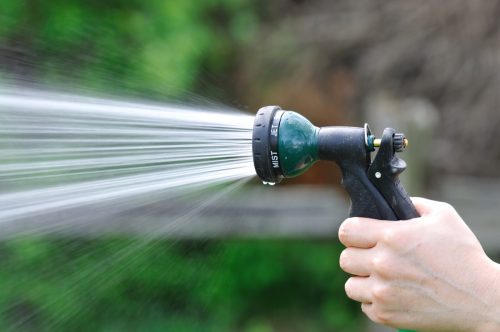
We’ll admit, the idea of grabbing the hose in January might seem like it’s a little far-fetched. But even when your lawn is dormant, it still requires plenty of hydration to stay healthy both leading into winter and over the colder months.
While it’s not as frequent as spring and summer, taking the time to rehydrate your lawn roughly once every month is vital—especially if there’s been a long stretch of dry weather or you live in a naturally arid area, according to lawnscape supply company Landzie.
However, it’s crucial to time your watering right based on weather conditions, typically by waiting until air temperatures are 40 degrees or above and ensuring the soil isn’t frozen before you start.
You should especially take time to water if you notice your grass blades have changed to a bluish-gray color, or if you notice that footprints are visible in the grass longer before bouncing back. Just remember to keep an eye on that forecast and try to wait until the afternoon (when the air temperature is the highest) before grabbing the hose.