The #1 Perennial to Plant This April for a Gorgeous Summer Yard

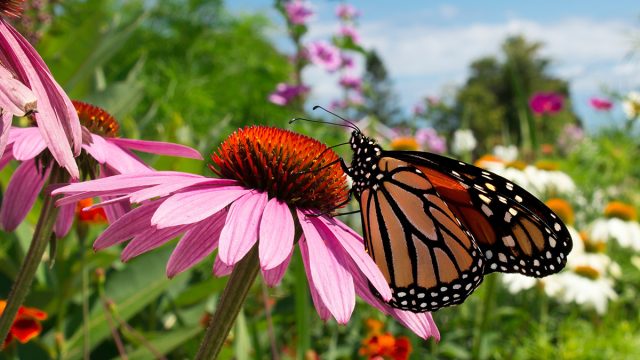
Even if you were on top of things and got plenty planted last fall, ambitious gardeners will often still choose to plant in April to get even more color out of their yard. But if you’re looking for something that will come back year after year, you might want to consider getting some coneflowers in the ground this month. Those classic big blossoms are nothing short of a botanical showstopper, and can instantly bring a lush look to your lawn. Here’s why coneflowers are the top perennial to plant this April for a gorgeous summer yard.
RELATED: The #1 Lawn Alternative to Plant This Spring for a Bloom-Filled, No-Mow Yard.
What are coneflowers?
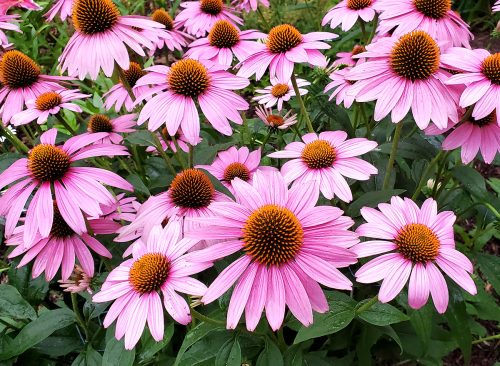
Gardeners who love color have long turned to coneflowers for their gorgeous hues. But those who’ve been through the supplement aisle might be familiar with its scientific name, Echinacea, as it’s often used as an immunity booster, per Healthline.
Beyond their potential cold-fighting benefits, coneflowers are a remarkably hardy plant native to the prairies of North America, according to the horticulture company Proven Winners. Specifically, it tends to thrive most in USDA zones 3 through 9, typically blossoming in summer and staying vibrant through fall. Notably, there’s also a wide spectrum of colors available from orange through pink.
Besides looking beautiful, coneflowers are also a prolific pollinator favorite, often attracting butterflies, hummingbirds, and bees that feed on their nectar. But even after their summer and fall flowers have faded, coneflowers have added benefits through winter, with their seeds providing a food source for birds during the colder months, per Proven Winners.
Is it a good idea to plant coneflowers in April?
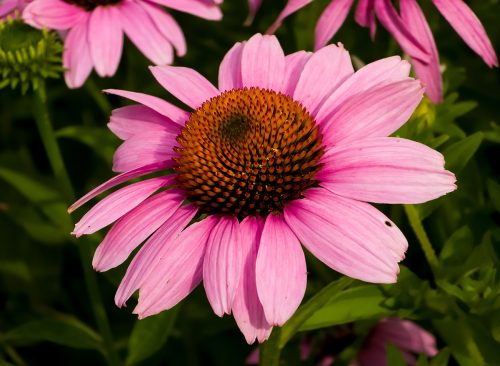
If you’re looking for a last-minute spring upgrade, getting some Echinacea in the ground now could be the ideal solution for you. That’s because the plant does best when planted in late fall or early spring, after the last frost has passed, giving it plenty of time to establish a deeper root system in the milder months before the full-blast heat of summer hits, according to Homes & Gardens.
Speaking of hot weather, it’s also important to note that coneflowers are known for their ability to thrive in extreme temperatures (they actually prefer tons of sun!) and their drought tolerance, per Proven Winners. They also provide one of the longest windows for flowers out there, blooming in June all the way through September in most regions.
RELATED: The #1 Plant to Put in the Ground This April for Fast Spring Color.
How should I plant coneflowers?

Once you’ve decided to give your garden this upgrade, you’ll want to start by selecting a particularly sunny patch of your yard for them. Ideally, this means someplace where they’ll get six to eight hours of sunlight per day, according to plant company Monrovia.
Remember, you’ll want to space each plant about 18 inches to two feet apart from each other. Then, grab your trowel and dig at least twice as deep as the pot you’re transplanting from and loosen the flowers’ roots. Refill the hole with soil (adding any compost as fertilizer if you have some on hand), top with a thin layer of mulch, and immediately water your plantings.
What other flowers are good for planting in April?
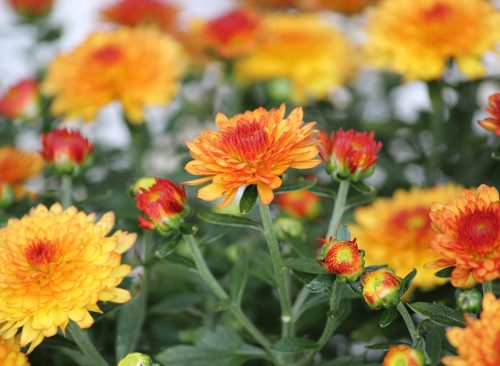
Of course, you’re not just limited to coneflowers to bring out those blossoms. Flowers like marigolds and dahlias are equally fantastic for April plantings
Known as a hardy and easy flower to grow, marigolds can go into the ground in early spring, according to Gardening Know How. They take just weeks to go from seed to producing brilliant yellow and orange blossoms, all while being naturally pest-resistant!
Dahlias have also earned a reputation among gardeners as a great spring grower. By getting them in the ground now, you should have dazzling blossoms by mid to late summer, according to the National Garden Bureau.