3 Weeds to Remove Before Winter So They Don’t Spread in Spring

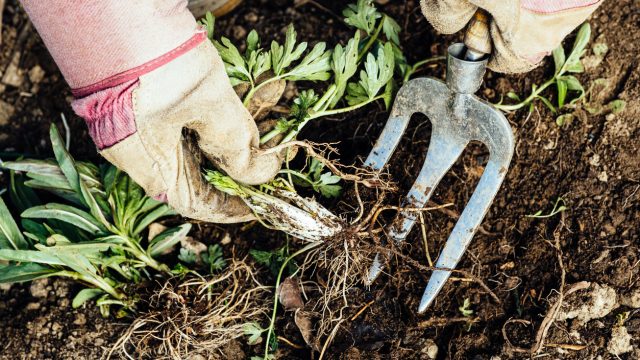
While flowers might not be in bloom, there’s still plenty of garden work to be done in late autumn. This is especially true if you want your yard to look its best when warm weather returns—ideally with plenty of spring blossoms. But it’s not just about what you put into the ground during this time of year that can save you a lot of time and grief in a few months. You’ll also want to get unwanted plants out of the ground. Read on for the weeds you’ll want to remove before winter so they don’t spread in spring.
RELATED: 3 Plants You Should Prune Before Winter Begins.
1. Common Chickweed
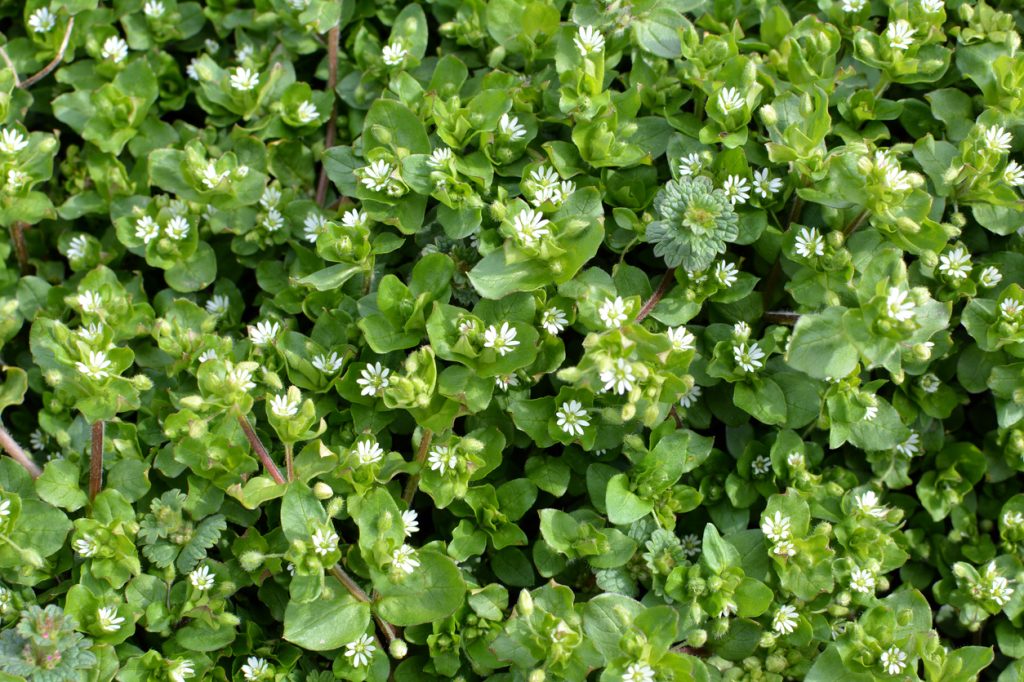
Just because it doesn’t look like there’s a ton of activity in your yard during the colder months doesn’t mean plants aren’t still at work. In fact, weeds like the common chickweed (Stellaria media) follow a life cycle that includes mature seeds dropping from plants and germinating over the cooler months, according to Preen. They then shoot up early in the spring, according to Preen.
While that might not seem strange in and of itself, consider that a single chickweed plant can produce a staggering 10,000 to 20,000 seeds each season. That’s why gardeners need to tackle the issue the right way by interrupting the germination cycle before the next round of plants can spring forth when winter ends.
Removing plants by hand is always an option, but doing so can risk missing one of the tens of thousands of seeds that may have already made their way into the ground. What’s worse is that seeds can lie dormant in the ground for a few years up to a few decades until the right conditions are met for them to shoot up.
Applying a weed preventer will help ensure the cycle will be broken by preventing them from sprouting come springtime, per Preen.
RELATED: 4 Common Yard Mistakes That Can Kill Your Lawn Over Winter.
2. Henbit
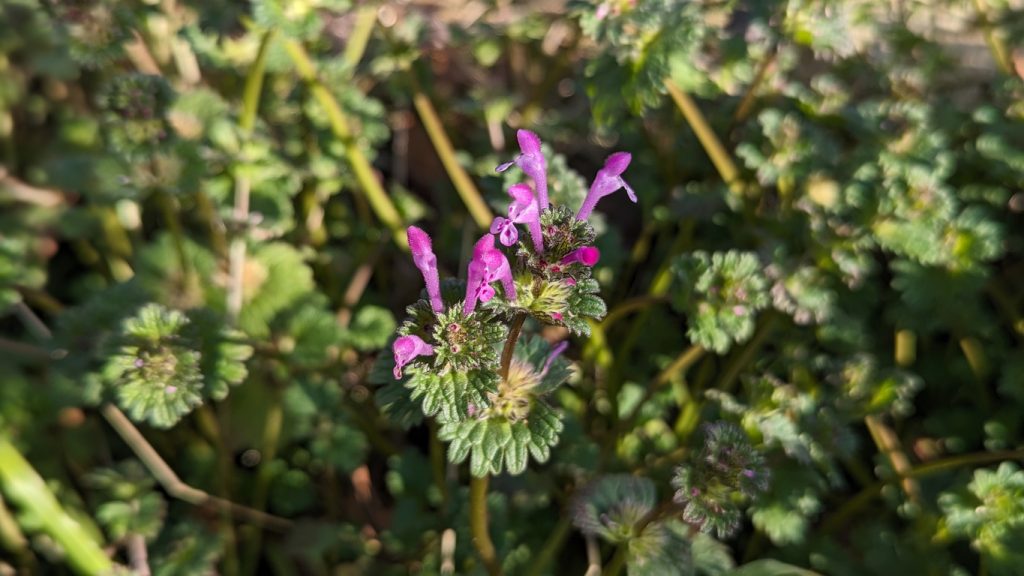
This purple flowering plant is another winter annual that follows a similar cycle to common chickweed. After dropping its seeds and dying off in the summer heat, germination begins once the weather has cooled and moist fall conditions set in, per Preen. By spring, their early blossoms come as a sign that your weeding the previous year was not sufficient.
Removing the weed by sight during the fall is a true and effective way of stopping a major source of seeds. But since even leaving behind a small piece of root can allow henbit to regenerate itself, making it important to use a digging tool or trowel to help ensure you remove all parts of the plant from underground, per Preen.
By late fall, applying weed preventer can provide an added layer of protection, preventing any seeds left behind from sprouting back up.
RELATED: 4 Winter Birds You Can Attract by Prepping Your Yard Now.
3. Canada Thistle
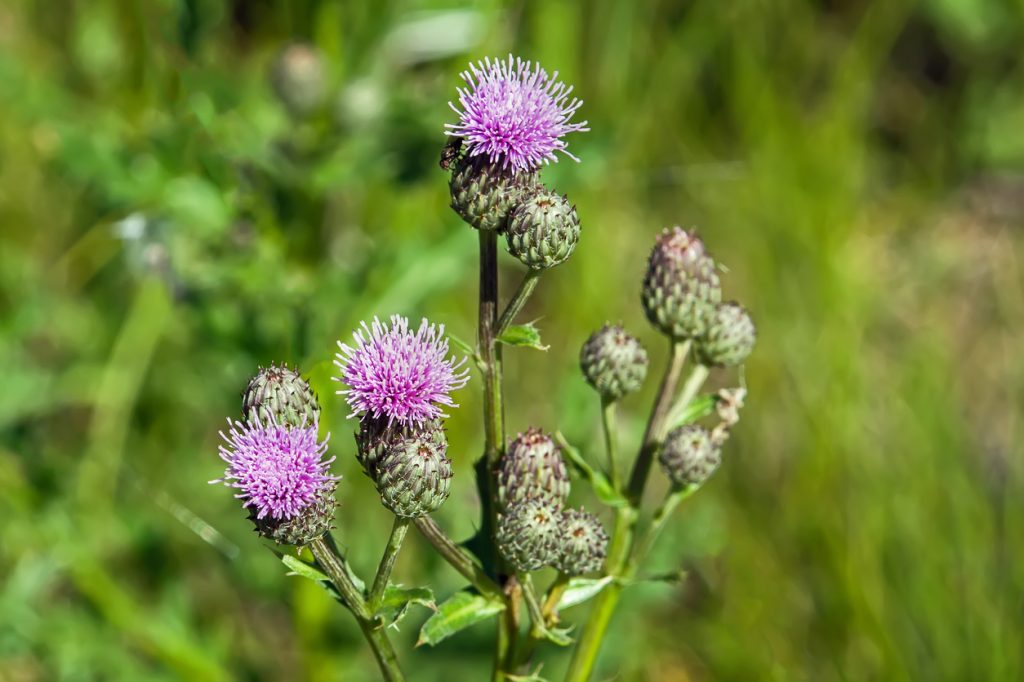
While it might look beautiful above ground, this invasive winter perennial weed has even more going on below ground. That’s because Canada thistle (as well as other species like field bindweed) springs forth from a rhizome with deep roots that can be difficult to remove entirely once they’ve taken hold, according to the University of Nebraska-Lincoln Institute of Agriculture and Natural Resources.
Removing these plants during the fall is ideal because this is when the plants begin to move the carbohydrates they produced during the warmer months down into their roots for the winter.
This means that applying herbicides and weed killers at this point will transport them down into the deepest parts of the plant and effectively kill them without the extra effort of digging them up, per the University of Nebraska-Lincoln.