21 Things Grandparents Should Never Say to Their Own Kids


There’s something magical about seeing your own children become parents. But for all the joys that come with being a grandparent, that transition brings some challenges, too. Unfortunately for well-intentioned grandparents, just because you successfully raised your kids that doesn’t necessarily mean you should be passing along what you learned about parenting to them. In fact, what may feel like sage wisdom to you can come across as critical or even downright cruel to your own kids. So, before you find yourself taken off the invite list for the next family gathering, make sure you know—and avoid—these things grandparents should never say to their own kids, according to mental health experts.
1
“You need to relax—they’ll sleep eventually.”

If it’s been some time since you had a baby of your own, it’s easy to forget just how stressful those early weeks and months can be. So even if you don’t agree, it’s probably best to respect your child’s wishes about the sleep-training process. “There is a lot of research that supports a consistent sleeping routine for the health of the baby and the mom, and [parents] should feel supported in their efforts for sleep training and their baby’s sleep habits,” says postpartum mental health specialist Maddison Meijome, LSWAIC, MSW.
2
“I used to do that with you and you turned out OK.”
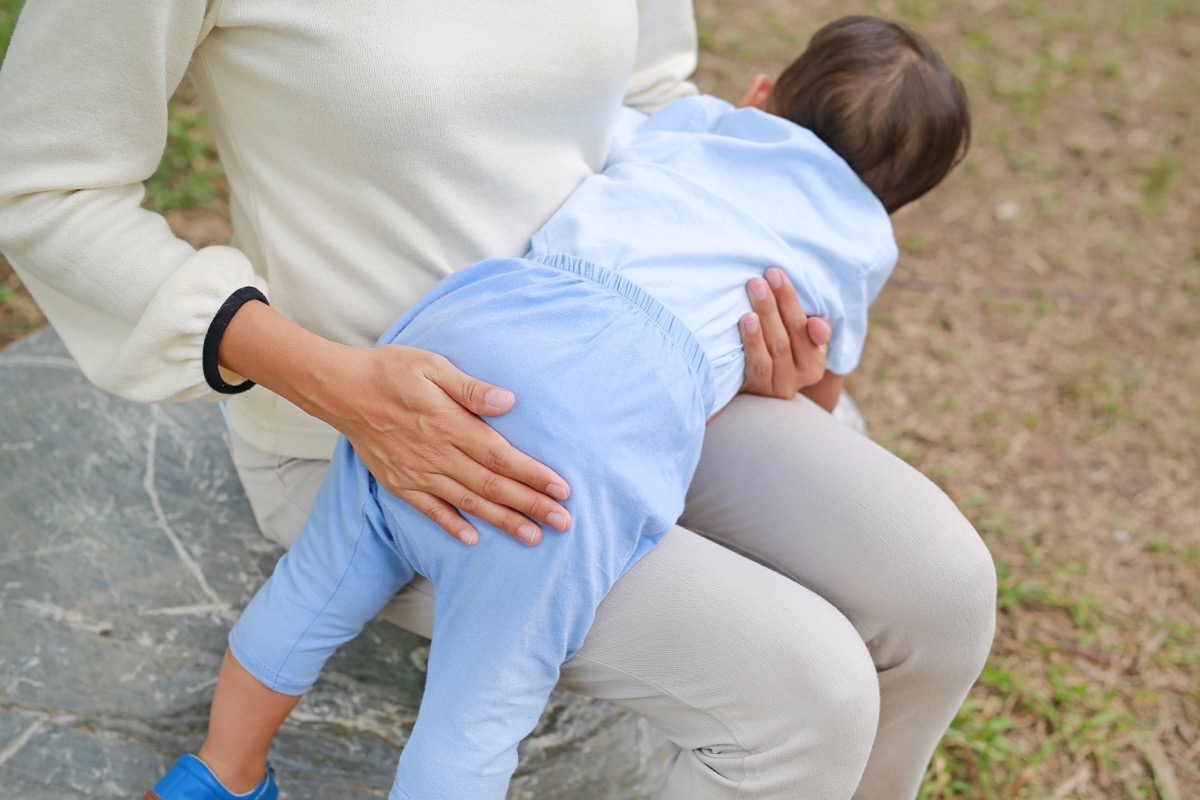
Let’s face it: There are tons of things that parents used to do that weren’t exactly safe or emotionally healthy for their children, so using your own choices as an example for how your kids should raise their own children probably isn’t as effective an argument as you think. Instead, therapist Heidi McBain, MA, LMFT, suggests you “give them support and love while they are going through a hard time.”
3
“It’s not that bad.”

You might think parenthood was harder for you than it is for your own progeny, but this type of comparison isn’t going to change how they feel. “Never downplay their problems by claiming that you have it worse,” says licensed clinical psychologist Aimee Daramus, PsyD. “Don’t find out too late that their problems actually are that bad.”
4
“We would never let you get away with that when you were a kid.”

Just because you think your kid is being to0 lax with their own offspring doesn’t mean this is ever an appropriate way to broach that topic. “There is so much more information out today about parenting that considers important factors such as developmental age, attachment, and positive discipline that it is really not comparing apples to apples,” explains Houston-based licensed professional counselor Natalie Mica, MEd, CART, CDWF.
5
“This is payback.”

Like it or not, there is no such thing as cosmic retribution for how much your own kid cried as a baby or how surly they were as a teen. “This is a remark used to insinuate the parent’s own childhood behavior and misbehavior is somehow being revisited through the child as some sort of karmic payback,” says Mica. “It is almost like the grandparent is goading and glad you are struggling with your child.”
6
“We didn’t get you a cell phone until you were 18.”

The fact that your grandkids have access to technology that didn’t exist when your kids were growing up isn’t a bad thing—and it’s certainly not something worth chastising their parents for. “Times change, public opinion changes, and what worked decades ago may not fly with today’s generation, especially since today’s kids don’t remember a time without smartphones and instant access to information,” explains psychologist Elie Cohen, PhD.
7
“I would never have talked to my parents that way.”

The parent-child dynamic has changed significantly over the past half-century, so it doesn’t make much sense to criticize your kids for the more casual language their children use. According to Cohen, it’s best to “first ask permission to discuss differences in parenting styles, while in private, and to come at it with curiosity and not judgment.”
8
“Look at everything I’ve done for you.”
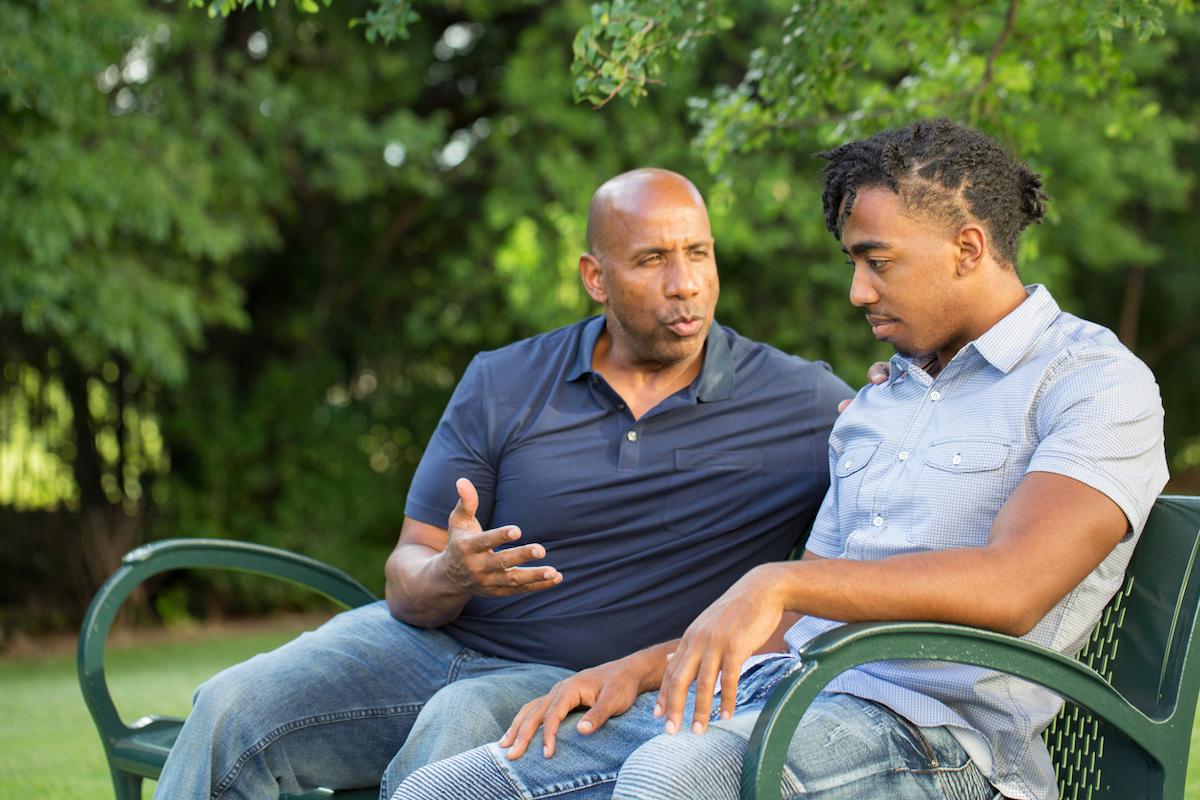
You may feel as though you gave the world to your kids, but telling them that they need to be grateful for those sacrifices will only cause problems in the long run. “Whenever we ask our children to take care of our emotions, we choose to give them anxiety and mistrust,” explains licensed therapist Rose Skeeters. She notes that this can also “breed guilt and insecurity.”
9
“You’re breaking my heart.”

It’s understandable that you want to impart your parental wisdom to your kids to pass down to their own brood, but telling them that they’re breaking your heart if they resist is no way to accomplish that. “If you are seeking praise and validation from your children for being a parent, you may want to seek professional support,” says Skeeters.
10
“Why can’t you be like ____?”

Sure, you might see your child’s friends raising seemingly-perfect children while your own grandkids run amok, but this type of comparison will never yield the positive results you want. “Telling your child that you wish they were more like someone else makes them feel invalidated, insecure, and inadequate,” says Skeeters. Instead, she suggests you “praise them for who they are.”
11
“You don’t really feel that way.”

While it may be difficult to hear your children express negative emotions about their relationship with you or their own children, telling them how they do or don’t feel can have devastating consequences for their self-esteem. “If they’re told this often enough they begin to think there’s something bad or wrong with them and that they’re defective,” explains therapist Karen R. Koenig, MEd, LCSW. She suggests that parents tell their offspring “that they recognize how they feel and explore why,” as opposed to shutting them down.
12
“Don’t be angry.”

You may not think it’s a big deal that you snuck your grandkid an extra cookie or gave them a present, but it may be a major issue to their parents, so don’t tell them to brush it off. “Anger is a normal and healthy emotion for children and adults to experience,” says therapist Emily Guarnotta, PsyD, founder of The Mindful Mommy. “As parents, what we have to remember is that what’s making your child angry is a big deal to them and, even if they’re overreacting in our eyes, they still have the right to feel the that they do.”
13
“No one will ever love you as much as I do.”

Though you may feel this way about your child, actually verbalizing this idea is unlikely to help them form healthy relationships with other adults—or their own children—going forward. “Saying this will seed the belief that [their parent] is the only person that will ever love them,” explains rapid transformational therapist Bianca Riemer. And that can negatively affect their ability to have healthy relationships with their kids and partners.
14
“Your father/mother always…”
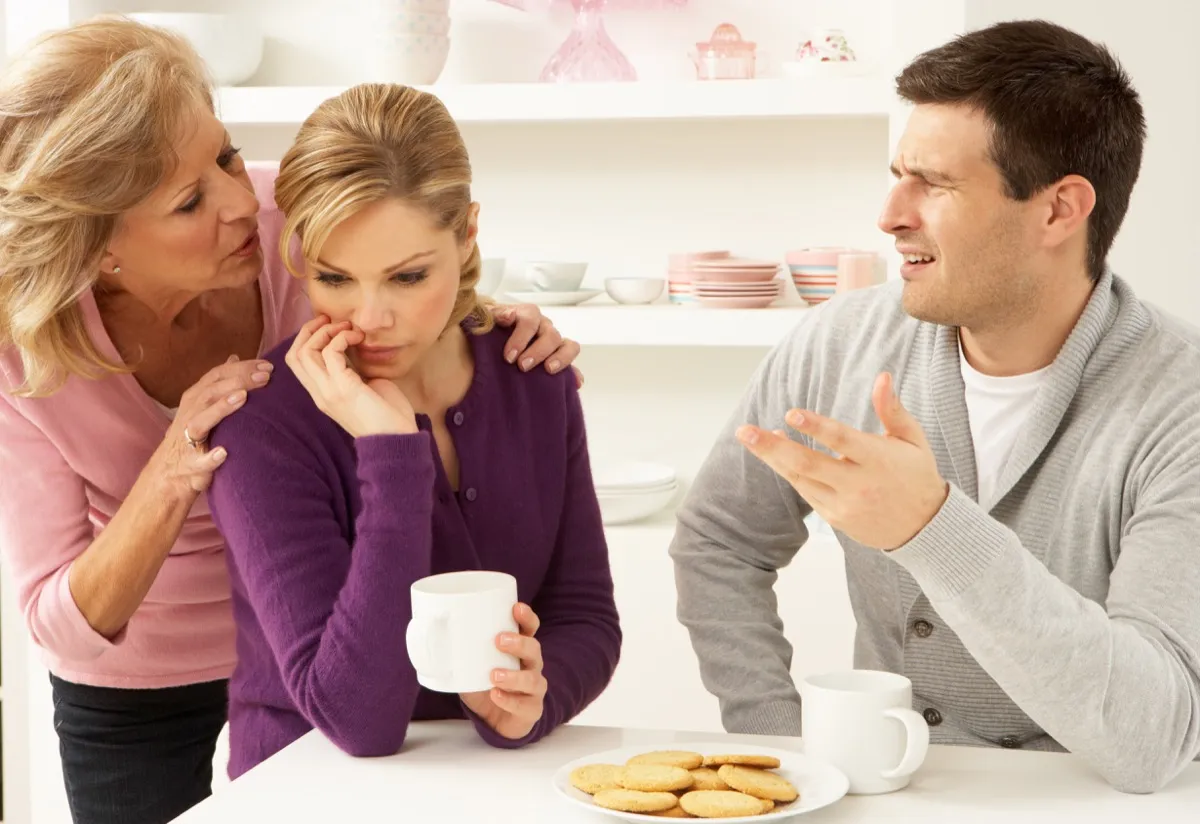
Criticizing your spouse—or ex—in front of your kids or grandkids can have long-lasting effects on your relationship that aren’t easy to bounce back from. According to therapist Randi Borroff, MSW, LCSW, ACSW, a clinical supervisor at Kids in the Middle, this phrase “can cause them to have feelings of low self-worth,” which can translate into their parenting, as well.
15
“You’re just like your mother/father.”
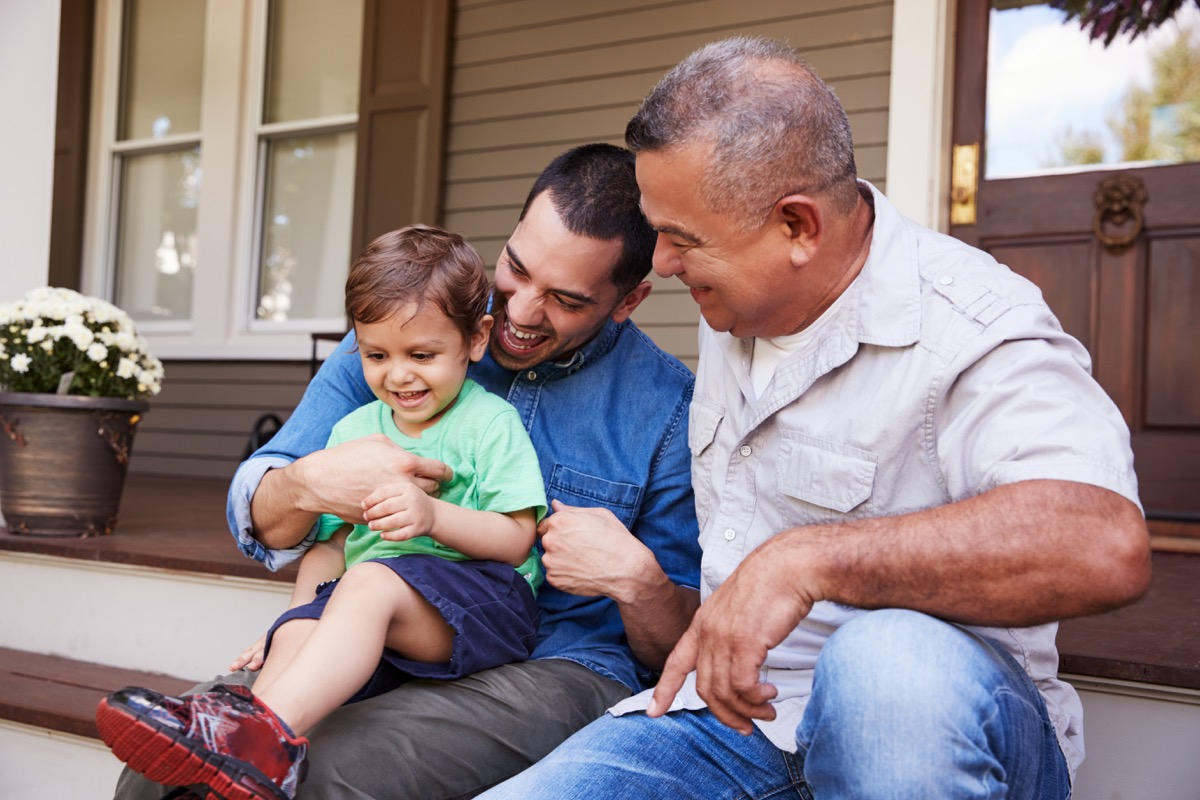
This one is especially problematic when you’re saying it about someone you’re no longer with—and even more so when you’re comparing your own child’s parenting to that of their own parent. “Absolutely never compare your child to an ex who exhibits bad behavior or bad character,” says Ibinye Osibodu-Onyali, LMFT, of The Zinnia Practice.
16
“If you’d done it my way, you’d be better off.”

Hindsight is 20/20, but no parent wants to hear that all their childrearing woes would be solved if they’d just listen to their own parents. “It gives off the impression that the parent preaching this has an air of superiority,” says Tampa-based relationship therapist Megan Harrison, founder of Couples Candy. “It is both uncompassionate and condescending—and will only create further friction rather than learning from the aftermath.”
17
“It’s your fault that…”

While you may feel like certain things, like changes in your body or relationship with your spouse, coincided with the birth of your own child, it’s never a good idea to say these things aloud—especially in the presence of your grandchildren.
“Making statements that place blame on a child is extremely scarring and may lead the child to carry an underserved sense of guilt and shame throughout his/her life,” explains licensed professional counselor Erica Wiles. In fact, saying something like this to your own child may cause them to do the same to your grandchild, continuing a cycle you’d be better off breaking.
18
“You ruined my life.”
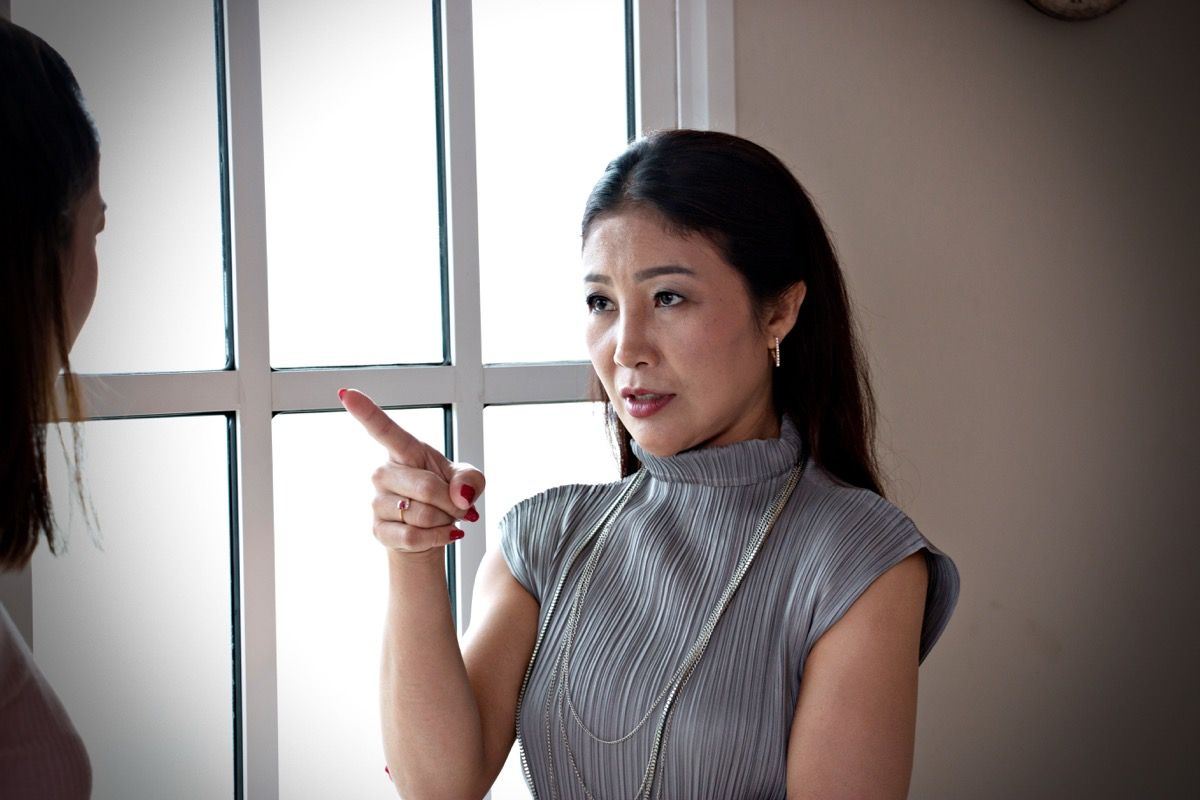
Becoming a grandparent can give rise to many difficult feelings about your own parenting experience, but that doesn’t mean it’s ever appropriate to act like your own kids were a mistake in any way. “This will cause them to feel like they are a burden for the rest of their lives,” explains therapist Stefanie Juliano, LPCC. “They will likely never feel good enough and will possibly hate themselves [and] this cycle could continue into future generations.”
19
“If you weren’t like this, they wouldn’t do ____.”
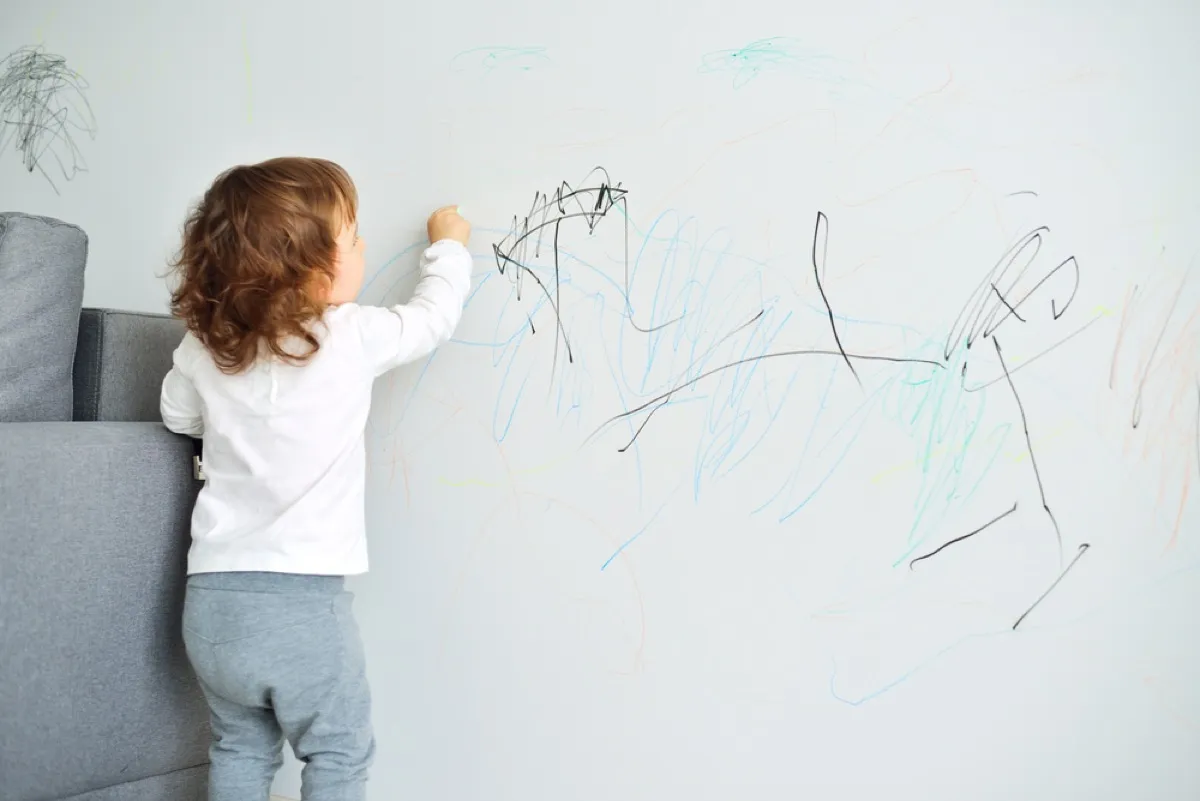
It may be tempting to tell your kids that everything their child does is a direct result of their parenting, but that will only cause far more issues than it solves. Instead of correcting the problem, all you’re doing is “setting them up for self-esteem issues,” explains Juliano.
20
“That didn’t happen.”

While everyone remembers things differently, trying to tell your kids that things they remember from their childhood are completely made up can have a severely damaging effect on your relationship—and your relationship with your grandchildren if you repeat the pattern. “Do not disregard your child’s feelings—especially if they are saying they are uncomfortable with someone or that someone did or said something,” says Juliano.
21
Anything about what they’re eating.

Food issues can get passed down from generation, meaning what you say to your own kids about their eating habits may make its way to your grandkids, as well. “This can lead to disordered eating and other issues,” explains Juliano. “They may never feel good about themselves.”